In fixed wiring installations, the types of cables chosen are critical for safety and compliance with relevant regulations. Out of all selections, whether the flexible cable can work in places usually occupied by rigid cable solutions remains a topical debate. Can flexible cables withstand the challenges posed by fixed wiring installations? What about their efficiency regarding durability while complying with relevant parts of the regulations? This article addresses these questions by analyzing the use of flexible cables in fixed wiring situations. After reading this article, you will understand better the scenarios for which flexible cables offer the most effectiveness and where the most significant drawbacks lie. This guide is valuable for electricians, contractors, facility managers, and anyone looking to improve the quality of their work profoundly.
What is Fixed Wiring, and Why is it Important?
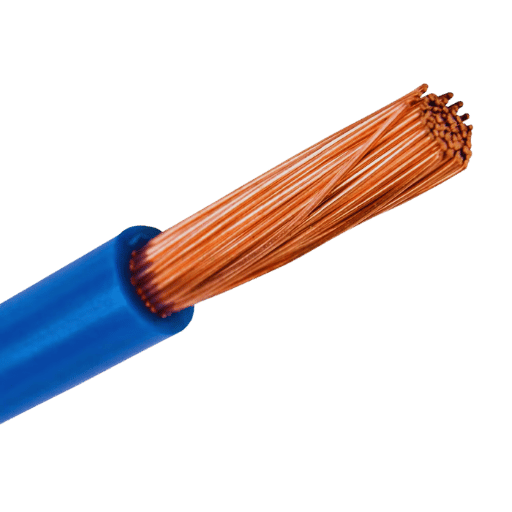
Fixed wiring encompasses the installation of electrical wires and equipment that is intended to be permanent. Installing fixed wiring in a building is critical in providing power for lighting, appliances, and other auxiliary systems. The need for reliability and endurance, scoped within safety regulations to minimize risks of an electrical hazard, governs the importance of fixed wiring. Properly designed and installed fixed wiring decreases energy consumption and enhances the operational sustainability of the facility.
Understanding Fixed Wiring in Electrical Systems
The essential parts of fixed wiring systems include conductors, insulation, protective devices, and junctions. Conductors, usually in the form of copper or aluminum, transmit electrical current. Insulation protects the conductors from contacting other conducting materials to reduce short circuits or electric shock. Protective devices cut off power to the system using circuit breakers or fuses in case an overload occurs. Junction boxes and connectors constitute organized and protected splices between wiring sections, making the installation safe and easy to maintain or alter. The strategic design and installation of fixed wirings enable reliable and secure functioning of the electrical systems over long periods.
Importance of Fixed Installation in Homes and Buildings
Ensuring the safety and reliability of every building’s and home’s dated electrical system hinges on properly integrating fixed installations. These installations consistently deliver power within a structure, enabling appliances, lighting, and electrical systems to function optimally. Correctly applying wired circuitry greatly minimizes electrical risks of fires, shocks, or even power outages; by persistently following outlined safety regulations and employing suitable materials, functional long-term installations can be achieved while greatly reducing maintenance or repair work.
The Role of Electrical Wiring in Safety and Compliance
The safety of individuals and compliance with the law are two critical aspects that electrical wiring dramatically influences. In the case of fires and equipment failures, there is a reduced risk regarding electrical shocks and properly maintained wiring and installations. Adhering to universal principles like the National Electrical Code (NEC) is important in ensuring the safety and reliability of installations. Adding professional installation to high-quality wiring materials significantly augments system efficacy and durability in residential, commercial, and industrial environments while aiding safety and operational compliance.
Are Flexible Cables Suitable for Fixed Wiring?
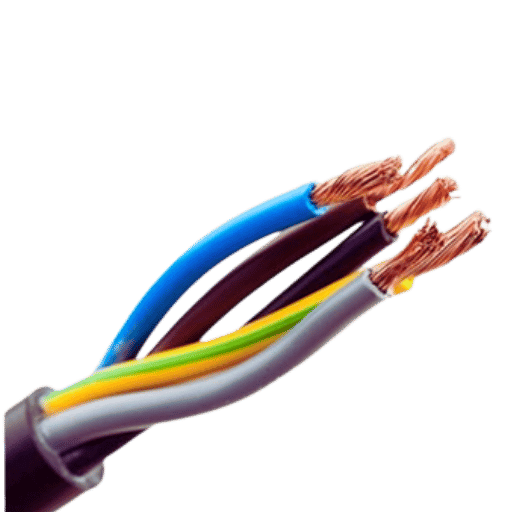
Pros and Cons of Using Flex Cable for Permanent Installations
Pros:
- Versatility: Flexible cables are ideal for installations where routing is challenging since they can bend and adapt to tight spaces.
- Ease of Installation: Because of their flexibility, these cables can easily be fitted into small spaces or irregular areas.
- Durability Under Motion: Flexible cables are better suited for applications that may involve vibration or some amount of movement over time.
Cons:
- Reduced Mechanical Strength: Unlike solid-core cables, flexible strength is more susceptible to wear and mechanical damage in static environments.
- Compliance Concerns: In some instances, local codes or standards may deem flexible cables inappropriately assigned for permanent wiring, rendering them non-compliant.
- Potential Cost: Their design and materials make flexible cables more expensive than standard solid core wiring.
Types of Cable for Fixed Installations
When determining the type of flexible cable for fixed installations, the most relevant cables include the following:
- Solid-Core Cable: Rigid cables offer excellent conductivity and mechanical strength, which are great for permanent installations such as inside walls or conduits. However, flexible wires should be used in applications requiring mobility.
- Armored Cable (AC): Frequently used in harsh environments, AC is designed to withstand significant physical stress while providing enhanced mechanical protection.
- Non-Metallic Sheathed Cable (NM): Economical and lightweight, NM cable is widely used in residential wiring for walls, ceilings, and floors.
- Thermoplastic-Insulated Cable (THHN/THWN): THHN/THWN cables are used extensively in commercial and industrial applications, where they are exposed to immense heat and require high durability for fixed systems.
The cables selected must accurately comply with local electrical codes, considering the location, load requirements, and many other crucial factors.
Regulations on Using Flex in Fixed Wiring of a Structure
Flexible cables, or flex, as they are more commonly known, must be maintained under strict supervision when used in permanent wiring systems. The primary goal of these rules is to guarantee safety and proper functionality and adhere to relevant electrical safety regulations. As a general rule, flex is meant for a movable or temporary connector, not for a permanent and static installation. That said, there are some cases where using cords as wires in fixed systems may be allowed.
In terms of regulatory scope, the most important regulation is the National Electrical Code (NEC), which states that robust, flexible cords and capes have their application boundaries and should not replace fixed wiring in buildings unless it is clearly stated in the code. As a general rule, flex is limited to use such as connections of appliances, hanging of light fittings, or any other activity that involves some mechanical movement or vibration as long as the cord) strainer has the required specifications regarding temperature, voltage, and mechanical shield.
Additionally, other local electrical codes might have added other restrictions or conditions tailored to the environment where flexible cables are exposed to a specific type of installation. For instance, PVC-insulated flex can be approved, but only if the installation is indoors, away from moisture or physical damage. The cable should also be held securely to minimize damage and wear at the place where it was cut so that it can be put into position.
The International Electrotechnical Commission (IEC) standards additionally elaborate the safety and performance requirements, guaranteeing the consideration of appropriate insulation, heat resistance, and durability in flexible cables used in fixed wiring. Following these guidelines is essential to maintaining safety and longevity in any electrical installation.
How Does Flex Cable Compare to Other Cable Types for Fixed Wiring?

Understanding Different Conductor Materials
The type of conductor material that significantly affects an installation’s efficiency, reliability, and safety can be noted. Copper and aluminum are the most popular choices for conductor materials in cables. Copper is extensively used due to its electrical conductivity, which is 59% higher than aluminum. Its low conductivity ensures that energy loss will be as low as possible, which is great for operations that need high energy efficiency. Moreover, copper’s tensile strength gives it durability against mechanical stress, thereby lowering the chances of breakage during installation or operation.
Aluminum, on the other hand, is light and therefore offers lower weight, which makes the installation easier, especially in long runs of cables. It is also a lot cheaper than copper, which helps reduce the overall costs of raw materials. Though this enhances aluminum’s usability, its low conductivity and its high rate of thermal expansion pose problems as well, including the need for larger areas for cross-section as well as greater attention to be paid to ensure that the terminations do not come loose.
Recent advancements in conductor technology have introduced alloyed materials that incorporate the advantages of traditional metals. Aamas provided the example of copper-clad aluminum (CCA) conductors, which are beneficial as they combine aluminum’s lightweight nature and copper’s conductivity. The same applies to the new-age high-performance aluminum alloys, which handle the accompanying thermal expansion problems and mechanical stress.
While comparing conductor materials for flexible cables in fixed wiring, it is essential to examine things like current capacity, installation environment, cost, and the application’s mechanical requirements. Optimal choice guarantees adherence to safety regulations, minimal deterioration, and optimal electrical system performance throughout its lifespan.
Comparing PVC and Other Insulation Materials
PVC (Polyvinyl Chloride) is commonly used as an insulation material because it is inexpensive, flexible, and strong. It has good resistance properties to moisture, abrasion, and chemicals, which makes it appropriate for a wide range of settings. However, PVC has drawbacks, such as lower heat resistance when compared to XLPE (Cross-Linked Polyethylene). XLPE has better thermal characteristics, which means it can withstand higher operating temperatures and have better dielectric strength. Other silicone rubber is excellent at very high and low-temperature extremes and highly flexible but at a much higher price.
When wearing insulation materials, tolerance to temperature and chemicals, movement, and cost need to be considered. For less severe conditions, PVC is the most economical choice. For more extreme conditions, more performance-demanding materials such as XLPE or silicone are more helpful.
Usage Scenarios: Fixed Installation vs. Flexible Wiring
Fixed installations refer to wiring that does not move post-installation, like in a building or industrial equipment. Materials like PVC are often applied for such cases because of their low cost and endurance under normal conditions. Dynamic equipment, robotics, and portable tools require less rigid wiring that is movement or bending-tolerant, which easily bends. Such cases require sheathes made of silicone or rubber because of their remarkable flexibility, strength, and resistance to wear. Deciding which material to use will depend on the design and working conditions of the application.
What are the Specifications and Standards for Flexible Cables Used in Fixed Wiring?

Referencing BS 7671 and Other Standards
The IET Wiring Regulations (BS 7671) is the official document that details the requirements for the construction, installation, and testing of electrical wiring in the UK. These Regulations also include requirements regarding the current rating, voltage, and mechanical protection of the flexible cables employed in fixed wiring. These cables must also meet the requirements of British Standard Safety EN 50525 so that safety and functionality under different conditions are guaranteed. Moreover, wires must be appropriately marked with the relevant particulars, such as the size of the conductor and the type of insulation used, so that they can be correctly chosen for the intended purpose. Following the policies outlined in BS 7671 along with other controls such as IEC 60228, which governs the conductors’ classification, guarantees the electrical system’s dependability and security.
The Role of Occupational Safety and Health Administration in Wiring Installations
The Occupational Safety and Health Administration (OSHA) monitors and regulates wiring installations in workplaces. OSHA safeguards workers from the dangers of faulty wiring and improper installations by implementing regulations and safety standards designed to minimize electrical risks. OSHA standard 29 CFR 1910.305 on wiring methods, components, and equipment for general use systematically describes components of wiring, equipment, and other general-use procedures. This regulation also underscores the importance of ground electrical systems, precise distances, and enclosure type for prevention against exposure to electrical circuits.
OSHA documents the importance and necessity of training and personal protective equipment (PPE) alongside wiring activities. Electrocutions accounted for 6.6% of total workplace deaths in 2021, and awareness of electrical dangers and following safety protocols are essential. Regular inspections, hazard assessments, and adherence to lockout/tagout procedures further reduce risk.
Also, OSHA collaborates with other fire safety and workplace safety guidelines, like NFPA 70E, which covers electrical safety in the workplace. By doing so, OSHA ensures that companies have the necessary tools to avert electrical accidents, comply with wiring frameworks, and safeguard workers not just efficiently but effectively.
Guidelines for Wiring Regulations and Compliance
Organizations must follow the National Electrical Code (NEC) because of its relevance to compliance and safety promotion in the United States. This encompasses all electrical wiring and apparatus installations to be carried out according to standards to avert potential risks, electrical fires, and shocks. Regular system checks should be carried out to ensure they comply with defined parameters over time. Furthermore, the personnel handling electrical systems must be adequately trained, and if any, safety gear must be worn. Compliance with such requirements mitigates risks, legally aligns operations and enhances workplace safety.
When Can Flexible Cables Be a Substitute for the Fixed Wiring?
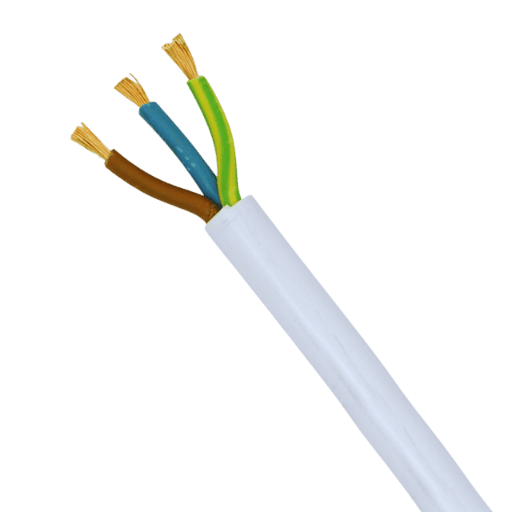
Conditions Where Flexible Cords and Cables are Applicable
Flexible cords and cables can replace fixed wiring under specific prerequisites. These conditions include temporary installations requiring mobility, like connecting portable tools, equipment, or appliances. Also applicable are scenarios where fixed wiring is impractical due to device relocation, positional changes, or to avoid damage from external forces. Moreover, these cases are acceptable as long as safety standards are complied with, especially regarding mechanical damage and undue strain. The proper selection, installation, and maintenance of flexible cords and cables guarantees safety and functionality.
Industrial Applications and Heavy-Duty Uses
Flexible cords and cables are vital in industrial applications and heavy-duty movements where mobility, durability, and reliability are key. These cables are typically used with machinery connections, portable tools, and other equipment that undergoes frequent movement, like cranes, conveyor systems, and automated systems. These cords are specially manufactured to survive harsh corrosive environments such as chemicals, abrasions, and extreme temperatures, except in extreme flexibility, where flexible cables without adaptability are required. Using cords tailored with the right sheath and building maintains protective contrivance whilst retaining performance in compliance with safety standards in stringent industrial conditions.
Examples of Wiring Only Where the Relevant Regulations Apply
- Residential Wiring: Regarding electrical wiring, homes must follow local building codes parallel with the National Electrical Code (NEC) for the United States. This encompasses circuit protection, proper grounding, safety-approved materials, and adequate safety measures.
- Commercial Wiring: When wiring offices and retail outlets are installed, compliance with fire safety requirements, using conduits for wiring protection, and greater regulatory scrutiny must be observed.
- Industrial Settings: The wiring in a factory or manufacturing plant must comply with some form of industrial safety regulation, such as NFPA 70E, which deals with electrical safety in the workplace and safe practices in high-voltage environments.
- Temporary Installations: Regulations for short-term installations, such as construction project sites, events, or other setups, revolve around proper insulation and safety marking and signage requirements.
Following these rules enhances safety and ensures legal compliance, reliability, and safety for any systems involved.
Frequently Asked Questions (FAQs)
Q: What do you understand about flexible cable?
A: Flexible cable is constructed to be bent or flexed easily. It is commonly used in areas with movement or frequent bending. These cables are usually insulated for flexibility and are employed in portable or temporary set-ups.
Q: Is it permissible to use flexible cables for fixed wiring applications?
A: Flexible cables may be used for fixed wiring in specific locations, provided the installation has safety and performance requirements. The use complies with local regulations and guidelines such as IET ENGX’s.
Q: Discuss the factors to consider while using flexible cables for permanent wiring.
A: When installing permanent wiring with flexible cables, those wires must be safeguarded against exposure to physical damage, typically through a conduit or trunking. The wires should also be appropriate for the load and region in which they are set. Flexible cable installation can be used, but the installation should not compromise safety or performance.
Q: Out of all the flexible cables, do some perform better in fixed applications?
A: Core flexible cables designed for heavy-duty or industrial use are more appropriate for static applications. In all cases, appropriate checks should be made to ensure they meet the use and environmental conditions.
Q: Is it permissible to use flexible cords in fixed wiring installations?
A: Flexible cords are generally prohibited for fixed-wiring installations unless the applicable regulations explicitly allow them. In general, flexible cables used for fixed wiring shall comply with safety, structural requirements, and integrity tests.
Q: What is the role of insulation in flexible cables?
A: When using flexible cables, insulation is vital in safeguarding against electrical leakage and cable deterioration in places where bending or movement occurs frequently.
Q: Why is it important to pay attention to the terminal or connector used with flexible cables?
A: It is also critical to pay attention to the type and size of cable while choosing the terminals and connectors used with flexible cables to ensure they fit. Proper fitments prevent faults in the electrical system and protect the functional reliability and strength of the connections within the wiring system.
Q: What should be observed where flexible cables are employed for fixed wiring?
A: As regards flexible cables employed for fixed wiring, it is recommended that installations be guarded, appropriately rated for the environment and load, adhere to industry regulations and standards, and provide dependability and safety.
Q: What scenarios might allow the application of flexible power cables in fixed wiring?
A: Flexible power cables may be integrated into fixed wiring in cases where motion or vibration occurs, such as in machinery, and comply with needed safety and performance standards.
Reference Sources
1. Title: Design Optimization Of An Aerospace Product’s Flexible Cable Using Dynamic Analogy Modeling
- Authors: H. Du et al.
- Publication Date: April 6, 2022
- Journal: Scientific Reports
- Citation Token: (Du et al., 2022)
- Summary
- The investigation addresses problems with harness design for aerospace applications, particularly with the large manufacturing error margins for light designs. The authors propose the computer-aided optimal design method, dynamic analogy modeling, integrating Cosserat’s theory with the minimum potential energy principle. The research constructs a nonlinear optimization model that seeks to minimize total deformation energy subject to a customized cable length and radius of curvature of bending, especially for finely stranded cables. The approach includes finite element discretization and a digital wiring module of the simulator, showing effective design results of flexible cables for use in aerospace products.
2. Title: Active Cable Tension as A Means for Flexible Manipulators Vibration Control
- Authors: Hayrettin Şen, M. Akdag
- Publication Date: July 19, 2023
- Journal: Scientific Research Communications
- Citation Token: (Şen & Akdag, 2023)
- Summary:
- This work concerns the vibration control of flexible manipulators using active cable tension. The authors constructed a finite element model to emulate the manipulator’s behavior in the different scenarios. It includes simulation for both open loop and closed loop control, evaluating the efficacy of cable tension in mitigating endpoint vibrations that occur during motion. The results showed that using active cable tension helps significantly improve flexible manipulators’ dynamic stability and control performance, which benefits the Robotics and Automation industries.
3. Title: Seismic Analysis with Placement Model of Sagging Elasto-Flexible Cables
- Authors: Pankaj Kumar and others
- Publication Date: 19th December 2022
- Journal: In the proceeding of the 12th Structural Engineering Convention, SEC 2022
- Token for Citation: (Kumar et al., 2022)
- Summary:
- The author uses a seismic placement model to understand the dynamic response of sagging elastic-flexible cables. The authors focus on the dynamic response of cables joined with masses at the midpoints of the spans. This work performs various levels of strong ground motion (shaking) to determine the effectiveness of the wires within the operational boundaries involving essential regulatory framework provisions. The results suggest that cable dynamics interaction with its supporting structure’s movement is vital in cable sagging under seismic design consideration, enabling engineering frameworks under seismic force elevation.