In terms of selecting a cable that can endure harsh conditions, its flexibility is often a decisive attribute. In robotics, industrial equipment, or any other advanced systems, there is always the need for a cable that can endure constant flexing, rotation, and shifting without damaging its functionality. This article examines the recent developments made in super flexible cable technology, paying attention to how new designs and material applications are changing the standards of durability and performance. You will know by the end what these cables are and why they could be tailored to fit all of your requirements.
What is a Flexible Cable, and Why Use It?
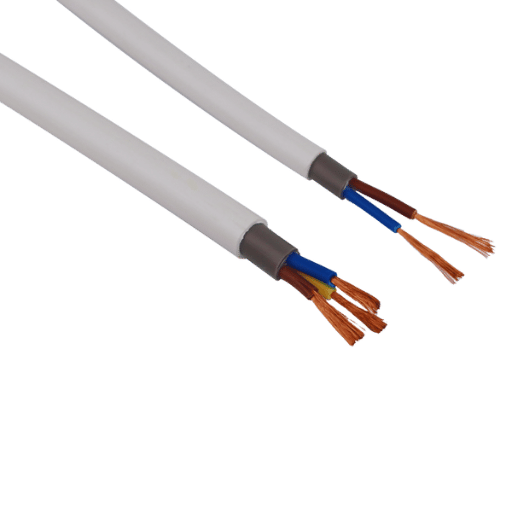
Flexible cables are tailor-made for specific applications since they endure constant flexing or bending without losing their operational efficiency. These types of cables are extensively used in automation equipment, robotics, and flexible machinery owing to their dynamic motion capabilities. Their structural defiance ensures signal and power transmission is achieved despite constant shifts in the position of the device. This degree of flexibility is attained owing to the combination of soft and strong insulated protective covers that resist external abrasion and finely stranded conductors.
Understanding the Type of Flexible Cable
Flexible cables can be classified according to their design and application. Some examples include control cables, power cables, and data cables.
- Control Cables – Used to transmit a control signal, control cables are used in automation systems and also with machinery.
- Power Cables – For the transmission of electrical power in fixed and mobile installations, these are utilized, ensuring consistent delivery of energy.
- Data Cables – Used for the communication of information, these specialized cables are utilized in a variety of communication systems.
Each cable type is fabricated with the appropriate materials and features appropriate to the intended purpose, thus ensuring reliable performance under demanding conditions.
Advantages of Flexible Cables Are Commonly Used
Flexible cables are notably useful because of the many benefits they offer. These benefits include:
High Durability
- Being able to bend or twist are some characteristics flexible cables are built to endure. For harsh conditions with constant movement, these cables are perfect. Tests have also shown that more advanced flexible cables can withstand millions of bending cycles over time.
Space Optimization
- Due to the flexibility offered, installation becomes less tedious owing to easier routing within tight or complex areas. This is a vital advantage in robotics, machinery, and other high-density equipment.
Enhanced Safety
- Robust insulation and protective sheathing are additional traits most flexible cables possess. These features help prevent electrical faults which in turn means a less risk in maintenance.
Versatility In Applications
- Flexible cables are fit for use in dynamic applications such as robotic arms, drag chains, conveyor systems, etc. They are also effective for stationary uses which makes them usable across different sectors like manufacturing, telecommunications and automotive.
Improved Energy Transmission
- Loss of energy even with continuous use is ensured to be at the bare minimum thanks to the fine copper strands incorporated in flexible cables. Due to the high conductivity of these materials, optimal electrical performance is delivered.
Extended Use Lifespan
- With appropriate maintenance, flexible cables have a longer lifespan and lower replacement costs. According to reliability tests conducted, flexible cables outperform standard cables in durability under similar conditions.
Because of the advantages mentioned above, flexible cables are indeed an asset for any system or technology where durability and reliability are needed. The contribution of these cables is essential in the development of new technologies.
Application Areas Where Flexible Cables Are Used
Robotics and Automation
- Flexible cables have their applications in robotics and automation systems which require constant motion and bending. They are tailored to preserve the integrity of signals and the flow of power, even with repetitive actions. For instance, cables in industrial robots have to endure several bending cycles, up to ten million, and still function.
Manufacturing Equipment
- Flexible cables are common in manufacturing machinery such as CNC machines and conveyor systems. Having these cables enables uninterrupted operation and increases function time due to their ability to withstand strict mechanical stress, and rough environments.
Renewable Energy Systems
- Renewable energy sources such as wind turbines and solar power systems require flexible cables. Cases of wind turbines usually need cables that can rotate together with the nacelle, while solar farms require cables that can deal with UV exposure, severe temperatures, and being out in the open for long periods. Cables that are flexible are known to endure high rotational forces, up to hundred thousand torsion cycles, under heavy load.
Marine and Offshore Applications
- Flexible cables are perfect for marine systems which include submarines, ships, and offshore platforms. These types of cables are very resistant to oil, water, and salt. An example is the dynamic cables that link subsea equipment; they are designed to withstand continuous bending under water pressure for several years.
Aerospace and Aviation
- These industries make use of flexible cables in aircraft systems for signal transmission under severe conditions of vibration. Their light weight and compact nature, along with compliance to safety requirements, is what sets them apart. They are tested to perform at temperatures between -60°F and 400°F.
Healthcare and Medical Equipment
- Medical devices like MRI, CT scanners, and robotic surgery systems are all dependent upon flexible cables. These cables provide the required electrical signals while enduring motion and sterilization.
Transportation and Automotive
- Automation, electric doors, and charging stations in vehicles employ flexible cables. Endurance against vibrations and temperature fluctuations, as well as repeated motion is crucial to the longterm applicability.
Data Centers and Communication Networks
- The use of flexible cables in patchcord data transmission and connection port communication is vital in data centers. They assist in complex cable arrangements for optimal space utilization and accurate signal delivery while adding flexing durability.
Using flexible cables in these diverse fields showcases their ability to perform under numerous challenges.
How Do Different Types of Flexible Cables Compare?
Exploring Rubber Flexible Cable and Its Use Cases
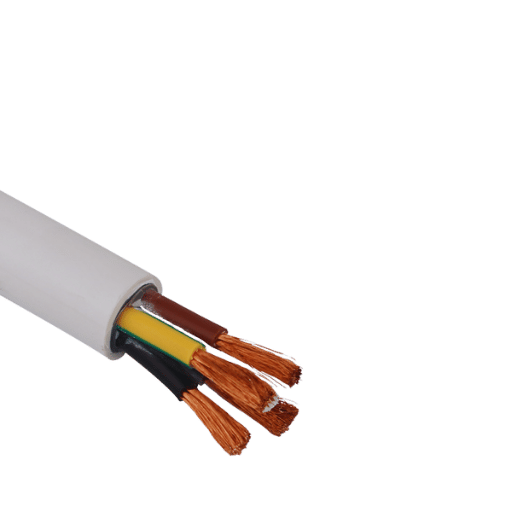
The application of rubber flexible cables is broad due to their versatility, especially in harsh conditions. A clear example is the construction and mining industry where cables are frequently subjected to heavy stresses. This makes the need of high durability and flexibility critical for the cables. To suit the flexible and harsh weather conditions for operation, rubber is used to sheath these cables as they are water resistant as well.
Rubber flexible cables are also highly beneficial for powering remote rural locations or places that do not have fixed power sources since they can adapt to extreme temperatures, up to 90 degrees celsius and freezing temperatures down to -25 degrees celsius. They will remain operational in extreme weather extremes. Additionally, the presence of UV rays will not result in the weakening of the cables.
In industrial setups seeking movable connections, rubber cables also offer great benefit. Their use in construction is evident for H07RN-F cables, which are among the most popular because of the ease of use they provide. These cables allow for freely rotating and moving connections at voltages ranging from 450 to 750 and are shielded with a thick layer of nitrile rubber. This wireless and mobile method of performing tasks makes the cables high in demand since they are safe and reliable for a long time.
Modern innovations have improved rubber flexible cables to be compatible with more advanced applications. For example, new developments in cross-linked elastomers improve flame retardancy as well as tolerance for high temperature. Such conditions are required in data centers and other renewable energy setups where the function of the machines and safety is critical.
Rubber flexible cables are also functionally efficient in high-stress applications. This makes them compliant with regulations, making them the ‘go-to’ component in industrial and outdoor operations around the world. The combination of such versatility along with flexibility and high durability ensures most rubber flexible cables are the preferred choice of many.
The Role of Fibre Optic Cables in Modern Technology
Fibre optic cables are of uttermost importance in refining technology as they enhance the speed and efficiency of data transmission across distances. As far as I am concerned, their capability to transmit a high volume of data at exceptionally fast speeds is a game changer for businesses in telecommunications, health care, and IT. Because they are immune to electromagnetic interference and have bandwidth capabilities, fiber optic cables are indispensable in supporting high-speed internet and advanced communication networks.
Understanding Welding Cable in Industrial Settings
Welding cable is an insulated, highly flexible, and durable conductor utilized mainly in welding equipment for transferring welding current from a power source to the welding tool. It comes with a strong design which makes it suitable for harsh industrial environments. In order to optimize conductivity, most welding cables are made of copper and are also covered in thick EPDM rubber or neoprene jackets, which are heat and oil-resistant, further ensuring safety and longevity under tough conditions.
Welding cables are commonly categorized by their American Wire Gauge (AWG) size; with general sizes between 6 AWG to 4/0 AWG. Their size determines the maximum current-carrying capacity and voltage drop over a certain distance. For example, 2 AWG welding cables can handle an average of about 200 amps and 4/0 AWG cables could handle currents exceeding 400 amps. Furthermore, greater flexibility of the cable is afforded by the construction with finely stranded copper conductors, allowing for easy maneuverability in narrow areas or applications needing constant movement.
To ensure efficiency without overheating or losing energy, it is important to match cables to the appropriate welding tasks and their corresponding lengths. Welding cables, as well as other types of cables, are built to comply with various standards like UL or CSA which ensures that the cables are reliable in harsh environments such as shipyards, construction sites and manufacturing facilities.
In industrial applications, welding cables selection goes beyond just identifying the right type or grade. Operating mechanical and chemical parameters such as ambient temperature, strain, and exposure to harsh substances like solvents and fuels should also be factored in if their functional, safety and structural integrity constraints are to be satisfied.
What Materials Are Used in the Construction of Flexible Cables?
The Importance of Copper Wire in Cable Manufacturing
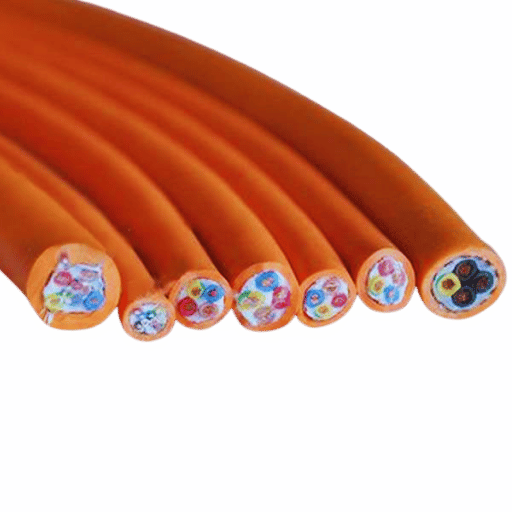
Because of its superior conductivity, copper wire is crucial in the construction of cables for the electric power industry since it allows effective transfer of energy with little wastage. Moreover, copper’s flexibility and strength makes it suitable for use in harsh environments where cables are prone to bending or mechanical strain. Its anti-oxidation properties also improve the life and dependability of cables. All of these factors support the many reasons copper is preferred in commercial and industrial cables.
How PVC Contributes to Cable Insulation
Owing to polyvinyl chloride’s (PVC) insulation characteristics, it is frequently used in the insulation of electric cables. Its insulating properties provide wires with a strong barrier against electrical leakage, ensuring safety and performance. PVC is also resistant to moisture, chemicals, and UV rays, which helps cables endure harsh conditions. Furthermore, its flexibility aids in easy installation, even in difficult ceilings, while retaining strength over time. Because of these properties, PVC is a preferred material for cutting, turning, and other devices in homes, industries, and offices alike.
The Use of Coaxial Cable in Communication Systems
In contemporary communication systems, coaxial cable is very common because it transmits high frequency signals with little interference. Its construction includes a conductor, insulating layer, a metallic shield, and an outer jacket. It is designed to reduce Electromagnetic Interference (EMI) and maintain signal transmissions over great distances. This allows broadband internet, cable television, and high-speed data connections to function.
One of the most notable characteristics of coaxial cable is its remarkable usage of bandwidth. It is capable of supporting data transmission at one gigabit per second (Gbps), which is ideal for modern households that have multiple RG-6 coaxial cables. Because of its specifications, coaxial cables are able to support frequencies of up to 3 Gigahertz, which is significantly high. Furthermore, the rated speed of the internet coaxial bandwidth-enabled systems is greater than 1 Gbps.
Coaxial cables, like many other types of cables, are durable and reliable in many settings. Their shielding protects the conveyed signals from external noise even if the measuring site has industrial levels of EMI. The materials used in coaxial cables, like polyethylene or PTFE insulators, have great thermal stability and are resistant against many environmental factors making them usable in both indoor and outdoor settings.
Besides, coaxial cables have major importance in the hybrid fiber-coaxial (HFC) networks used by several service providers. These networks utilize coaxial cables to locally distribute data, while employing fiber optics for long-range data transfer. This combination is both economical and fast for the end user.
As technology evolves, new models of coaxial cables are being built with modern communication systems in mind. These models maintain the traditional value of coaxial cables in telecommunications infrastructure. However, they are more flexible and easier to use than their predecessors.
How to Choose the Right Type of Cable for Your Needs?
Factors to Consider for the Right Cable Selection
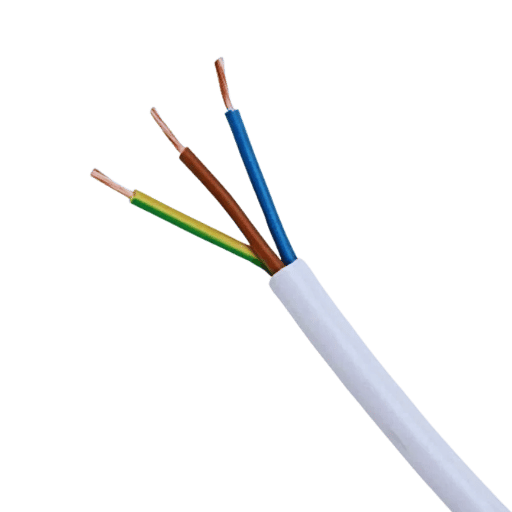
When deciding which cable will suit your specifics, think about the following factors:
- Requirements – Determine the telecommunications, networking, or power transmission purposes and ensure the cable includes the described structure.
- Bandwidth and Speed Needs – Evaluate how fast information needs to be transmitted. Consider using cables of higher bandwidth for advanced applications.
- Distance Efficiency – For large distances, use cables like fiber optics that minimize signal loss.
- Durability and Usage Conditions – Assess the cable’s resistance to temperature, moisture, physical abrasion, and wear for outdoor and industrial environments.
- Overall System Check – Check if the cable fits the devices and infrastructure in the network for proper integration.
- Budget Restrictions – Choose a cable that performs without exceeding the budget per expectation.
With these considerations met, the desired cable will be flexible with both the practical and technical specifications.
Guidelines on Installation and Maintenance
Your cables require proper installation and maintenance practices to offer efficient performance and last as long as possible. Reliable outcomes can be achieved through the following processes:
Instructions for Installation
- Pre-Installation Damage Check – Ensure all cables are devoid of visible damage, including cuts, tears, and exposed wires prior to installation. Safety and performance can be greatly compromised by damaged cables.
- Cable Path Design – Sharp turns, over-tension, and obstruction from other systems should not be encountered on the planned route for cable placement. As a rule of thumb, the minimum bending radius should be 10-20 times the cable’s external diameter and this is often true for most manufacturers.
- Removing Cables From Environment Impacts – Conduits, cable trays, and protective anti-moisture sleeves should be used in areas with exceedingly low temperatures and harsh weather. Research further suggests that cable insulation is significantly degraded by UV radiation over time.
- Provide Protection – To hinder straining and sagging, loose hanging cables need to be firmly fastened. Recommended spacing requires that ties and clamps used are not overtightened as this can damage the sheath.
- Grounding and Shielding – Shielded or power cables require proper grounding for safety and to mitigate electromagnetic interference (EMI). As with IEEE and NEC, industry standards should also be adhered to when it comes to grounding.
Maintenance Best Practices
- Regular Inspection – Monitor cables for signs of wear, corrosion, or deformation through routine visual and physical inspections. Proactive inspection can improve system reliability by more than 30%, based on findings from various studies.
- Cleaning Procedures – Employ non-abrasive, non-residue cleaning agents to remove dirt or residues from insulation and connectors. During, cable materials can be damaged by harsh chemicals over time, so they should be avoided.
- Monitoring Temperature and Load – Ensure that cable load and operating temperature are regularly measured to confirm that they remain within the specified limits. Reducing the lifespan of the cable while subjected to excessive load or heat is significant.
- Connector Maintenance – Check plugs to ensure that they are clean and firmly attached to the socket. Signal loss, overheating and short circuits may occur due to loose or corroded plugs.
- Replacement Schedule – Set a timeline for replacement based on the manufacturer’s recommendation on the cable’s expected service life. To avoid safety hazards or downtime, aging cables which are prone to failure should be replaced proactively.
Following the described practices for installation and maintenance will enable you to optimize cable system performance, mitigate risks, and enhance compliance within the industry’s safety parameters.
Understanding Flex Life and Durability
The term flex life pertains to the capability of a cable to endure repeated motion without sustaining damage. This greatly impacts the cable’s durability, particularly for those used in applications involving constant movement. Every motion cable tends to have a higher flex life because it uses specialized materials and construction techniques to endure active bending, which lessens the chances of wear and breakage. Choosing cables with the right flex rating is essential for dependable functionality and operational reliability within motion-prone environments.
Exploring Innovations in the Cable Industry
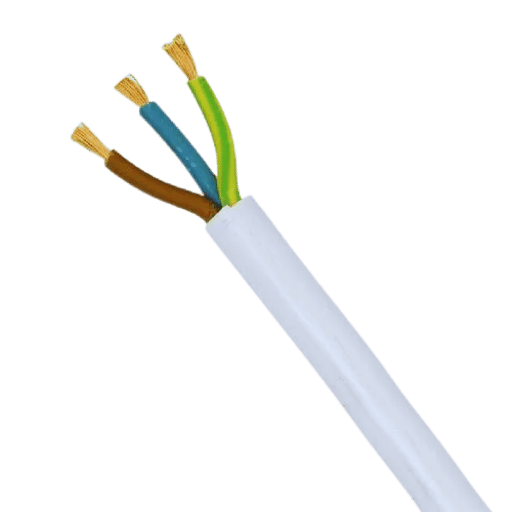
Trends in Flexible Power Cable Design
Recent developments in the design of flexible power cables focus on improving durability and efficiency and reducing the environmental impact. To withstand harsh conditions, manufacturers are using advanced insulation materials, which greatly enhance flexibility and reduction of wear. There is a growing emphasis on installation ease without compromising mechanical performance standards, leading to the development of lightweight cables. Moreover, materials that are less harmful to the environment and industrial eco-sustainability are being widely adopted, which minimizes the impact of cable production and disposal. These developments strive to fulfill the increasing demand for diverse, adaptable cabling solutions across numerous industries.
The Rise of Armored Cable Solutions
The armored cable solutions are preferred because of their reliability and the way they protect the inner conductors from physical and environmental harm. Constructed with an outer protective layer, these cables excel in harsh settings such as underground installations and industrial facilities prone to mechanical stress. Their sturdy build offers improved safety, minimized maintenance, and longer service life which makes them essential in industries that require reliable and durable cabling systems.
Frequently Asked Questions (FAQs)
Q: What are the flexible cables and their application?
A: Flexible cables include flex cables and flexible wires due to their high ductility and long lasting nature. These cables are extrememly beneficial to flexibility demanding tasks: they are also popular in robotics and automation as technologies that require high mobility.
Q: What industry uses all flexible cables?
A: Some of the ultra flex welding cables and ölflex® cables stand out the most. Not only do these cables sustain great industry voltage, but they are also highly sought after because of their superb bend strength.
Q: How does a flexible cable core differ from the structure of a solid wire?
A: Cables are assembled using several small pieces of wire making up the core of said cables so that the user can attain maximum movement and bending without risk of snapping. Whereas the solid wire offers a singular thick core which is more rigid and difficult to bend.
Q: Why is cable length important in flexible cable applications?
A: Cable length is important because it impacts the effectiveness of applying a cable in a particular situation It addresses the issue of the cable having to stretch over a required distance without excess weight or resistance.
Q: What makes a cable both flexible and durable?
A: A cable is flexible and that durable when it has a high strength core, it is constructed using low friction materials, and it is able to take twisting. These qualities enable the cable to be functional for a long time even with strain.
Q: How are different cables used to transmit power in flexible applications?
A: Cables such as servo cables and coax cables are specially made for power transmission in flexible applications that allow a lot of movement neutral to damage. These are common in automation and machines.
Q: What types of wires are used in flexible electrical cables?
A: Flexible electrical cables use several thin wires instead of a single core to increase the ease of bending or flexing which contributes to greater longevity.
Q: When do we most often use coaxial cables?
A: Cables have several popular applications in telecommunication and television, where data is transmitted quickly. Coax cables are important in broadcasting and reception in various flexible applications.
Reference Sources
1. For the first pointer, focus on these self-healing and flexible pH sensors that continuously and accurately monitor body fluids
- Authors: J. Yoon et al.
- Published in: Biosensors & Bioelectronics, 2020
- Key Findings:
- A soft and flexible self-healable pH sensor cable with great sensitivity was crafted.
- The sensor was built by intertwining two electrodes made of carbon fiber threads with self-healing polymers.
- It was proven to have great electrochemical performance concerning sensitivity, repeatability, and durability.
- Methodology:
- The investigation included the sensor’s construction using sophisticated materials alongside monitoring its effectiveness for real-time surveillance (Yoon et al. 2020, p. 111946).
2. Real Time Interval Type 2 Fuzzy Control of Unmanned Aerial Vehicle With Flexible Cable Connected Payload
- Authors: Fethi Candan et al.
- Published in: Algorithms, 2023
- Key Findings:
- A control strategy for UAVs with flexible cable-connected payloads was developed that demonstrated enhanced stability and disturbance rejection.
- The Interval Type 2 Fuzzy PID controller had better response time and overshoot as compared to the traditional PID controllers.
- Methodology:
- To measure effectiveness, the proposed control system was tested with simulations and actual scenarios (Candan et al. 2023, p. 273).
3. Cable Type Water Survivable Flexible Li-O2 Battery
- Authors: Tong Liu et al.
- Published in: Small, 2016
- Key Findings:
- Constructed a cable-type water-survivable flexible Li-O2 battery with a hydrophobic gel polymer electrolyte.
- The battery demonstrated high performance under mechanical stress and immersion in water, proving its suitability for flexible electronics.
- Methodology:
- The research conducted by Liu et al. included design and testing of the battery for different conditions to evaluate performance and durability(Liu et al., 2016, pp. 3101–3105).
4. Wire