1. Handling and Preparation
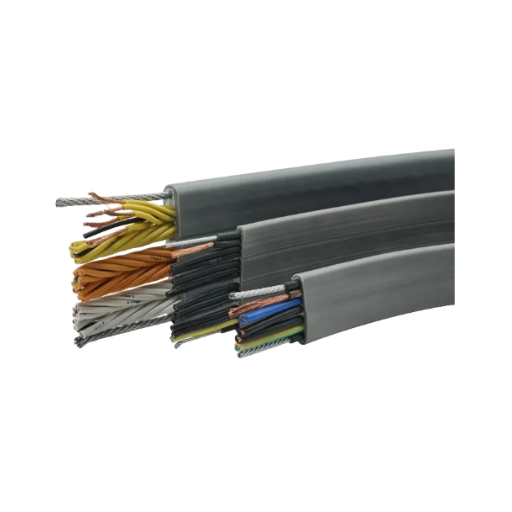
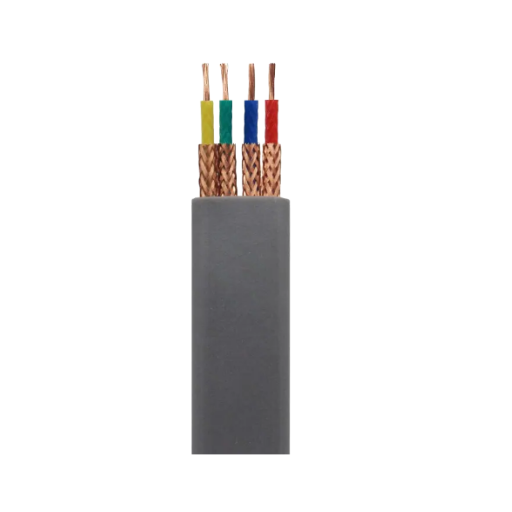
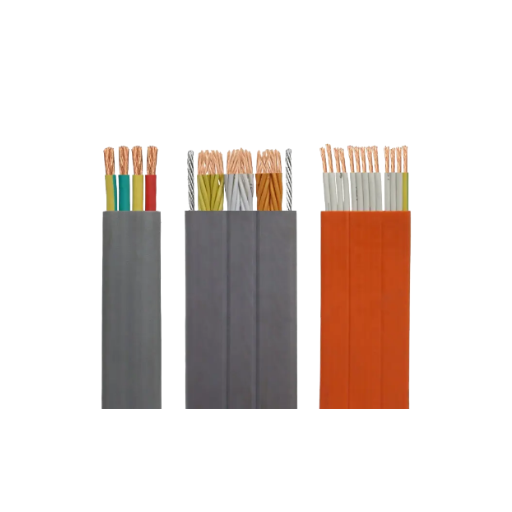
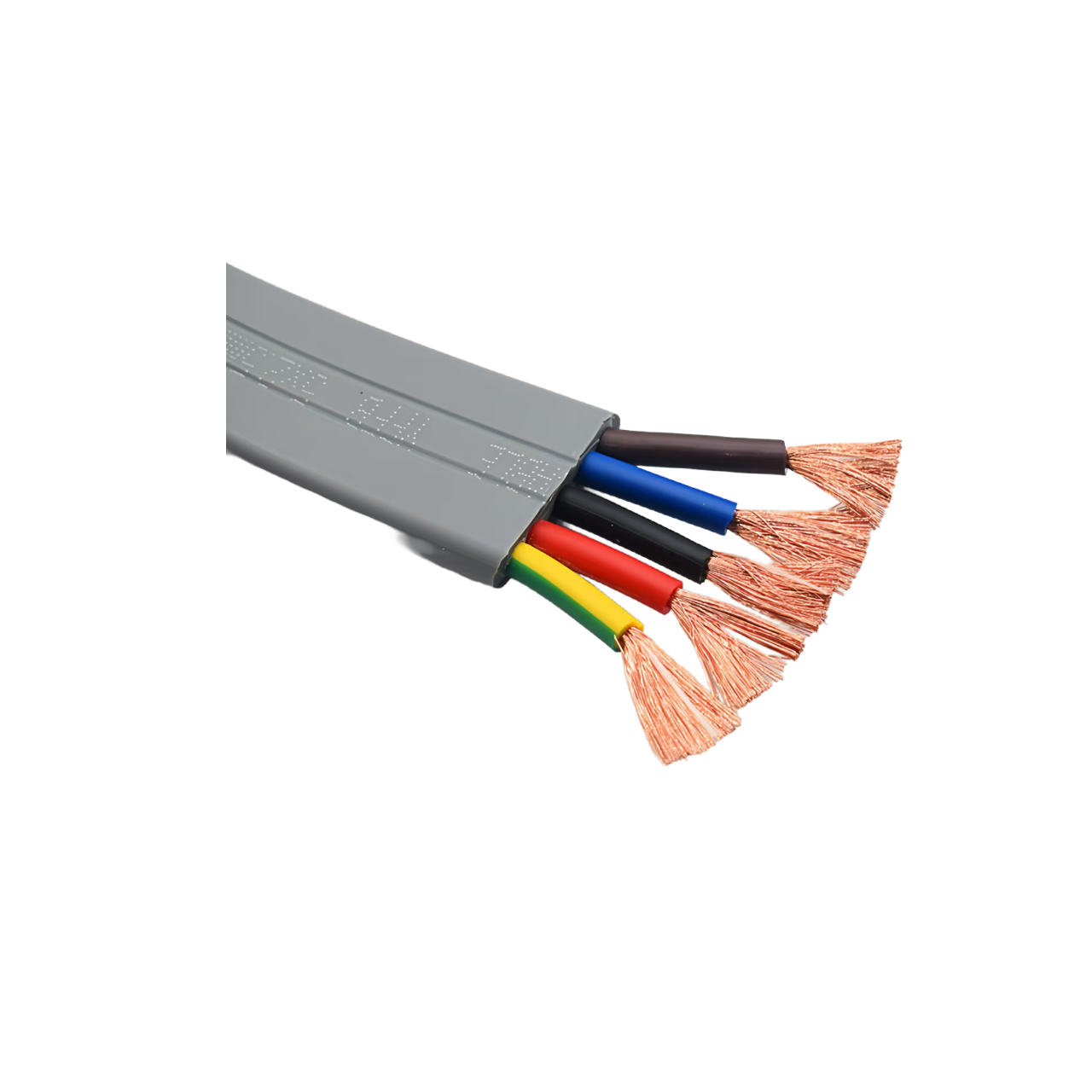
In safeguarding the handling and installation of flat elevator cables, do not twist or kink cables while unspooling them and maintain the recommended bend radius for the structural and electrical integrity. Use broad support to prevent damage by distributing pressure evenly. Make sure the ambient temperature is within the cable’s operating range to retain flexibility. Also, confirm that the orientation of the cable is aligned with its natural loop direction to minimize stress and possible failures.
2. Installation Techniques
Allow the cable to pay off naturally, guard against abrasives with sleeves or shields, and apply strain relief at critical points to avert destructive tensile forces. Avoid excessive angular motion and overextend by relaxing the limit beyond the absolute required position.
3. Fastening and Final Adjustments
Double-check that all mounting hardware is fastened securely, without tightening, which could cause damage. Make sure that the cable is properly routed and that all parts are installed correctly, maintaining the proper alignment and tension. Confirm that all parts are secured and operational as designed.
4. Post-Installation Tips
Follow routine maintenance as outlined by the manufacturer and inspect critical areas such as bend radii and mounting bracket for wear progression.