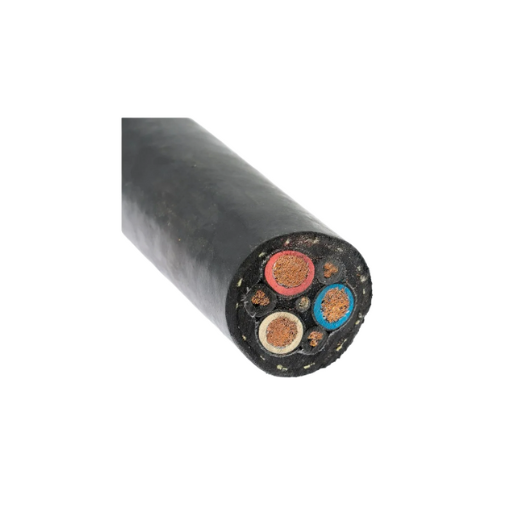
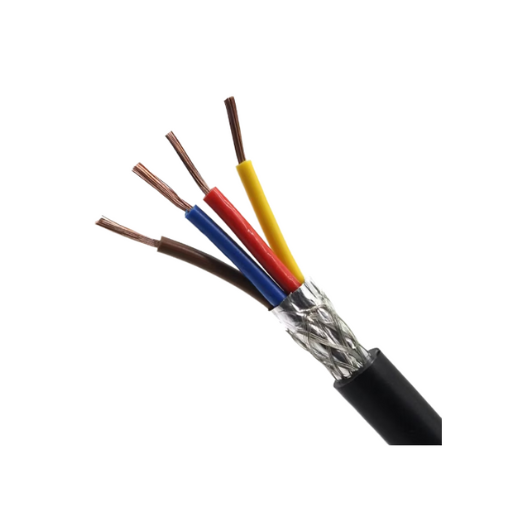
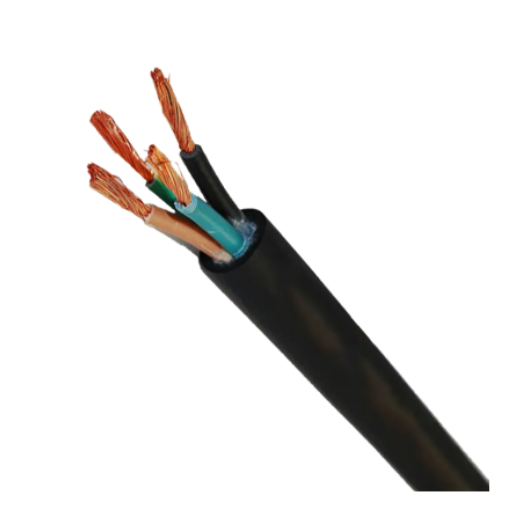
Key Hazards
1. Electrical Risks:
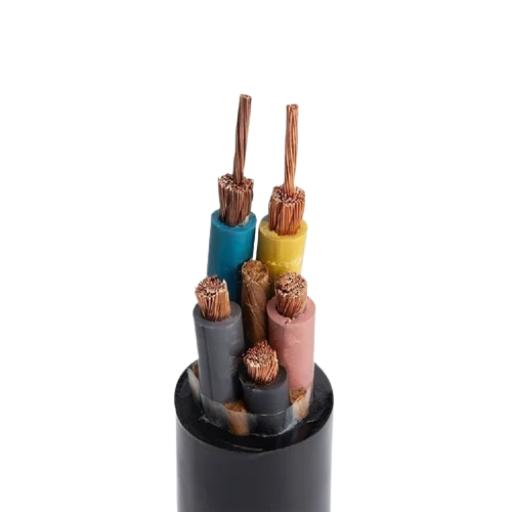
– The uncontrolled release of energy (for example, arcing and explosions).
– Indirect contact (for example, electric shock by active outer sheaths).
– Direct contact with conductors that are live.
2. Mechanical Damage:
– Machinery driving over or striking the cables.
– Strain or bending that is excessive beyond the designed limits.
– Rocks or loose debris falling and damaging the cables.
3. Environmental Factors:
– Water ingress in plugs.
– Damaged cables pose fire risks.
4. Biomechanical Risks:
– Injuries to manual handling, for example, sprains and strains.
Management Recommendations
1. Develop a Trailing Cable Management System:
– Set criteria for selection of cables per application.
– Set benchmarks for operations, inspections, and upkeep.
– Conduct frequent testing while keeping detailed logs.
2. Safe Handling Practices:
– Shield active cables from direct contact; use gloves and insulated tools.
– Walk mechanical aids to cables so that fewer hands are used in relocating them.
3. Damage Prevention:
– Employ protective measures such as landscaping/berms/active caution signs.
– Do not exceed the bending radius and provide strain relief.
4. Training and Awareness:
– Educate staff on hazards pertaining to the cable as well as the use of safe frames.
– Set systems for frequent audit/peer assessment vis-a-vis safety systems in place.
5. Regulatory Compliance:
– Comply with AS/NZS 1747 and AS/NZS 2802 for repairs and testing.
– Check proper commissioning and testing of earth continuity systems.
Maintenance
– Scheduled inspection and maintenance of cables and accessories.
– Periodic testing of earth continuity protection systems, e.g., quarterly for surface workings.