Like anything else in this world, electricity also has its pros and cons. In the modern world, electricity is used in homes, businesses, and factories, but with its use comes set risks, usually referred to as electrical hazards. When mismanaged or ignored, these hazards can lead to serious injuries and, in the most unfortunate cases, fatalities. It’s important to understand the key risks associated with electricity for a safe home or workplace. In this article, we will discuss the five key electrical hazards you may not be familiar with. Having a proper understanding of these hazards, their causes, effects, and preventative measures can be useful. This guide is meant for a broad range of audiences, be it homeowners or business owners looking to broaden their knowledge.
What Are the Main Electrical Hazards?
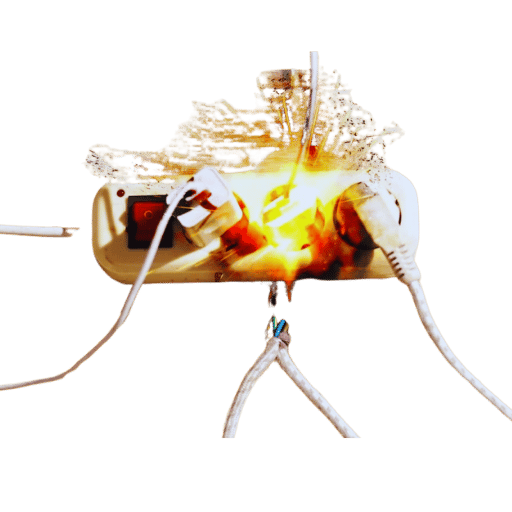
Electric Shock
When a person comes into contact with an electrical current, they can experience an electric shock. Depending on the voltage and duration of exposure, a person can face thick burns, internal injuries, and even have their heart stop.
Overloaded Circuits
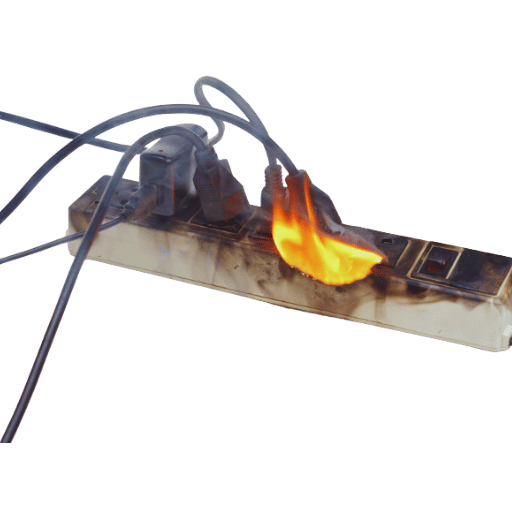
When there is a heavy load placed on a wire or a circuit, the default limits that is allowed to flow through can be exceeded, directly leading to fires or damage to the devices being operated. Plugging multiple devices on a single outlet or circuit is a standard example of these types of situations.
Faulty Wiring
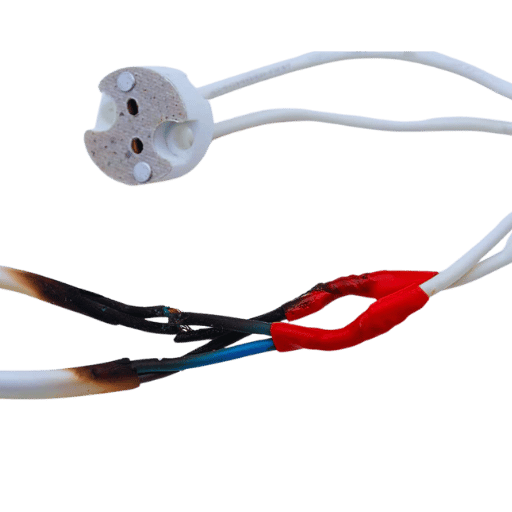
Dangerous short circuits where the neutral and live wires are connected can occur due to damaging or poorly installed wirings. Moreover, electrical surges can take place too. Also, wires that have an exposed insulation is considered particularly dangerous.
Water and Electricity Combination
Drenched surroundings near the electrical setups can lead to equipment damage or and even enable electrocution. This can happen due to unintentional contact with free flowing water.
Improper Use of Electrical Equipment
When safety features are bypassed or cords are worn out, using electrical devices turns into a very dangerous affair that greatly increases the chances of equipment and personal damage.
Following proper maintenance procedures and making changes towards better usage can help with securing the risks associated with electricity and avoiding electrical hazards.
Identifying Common Electrical Hazards
To spot various electrical risks, consider the following:
Damaged Cords and Wires
Look for loose or damaged wires, which could cause electrical shocks or fires.
Overloaded Circuits
Do not exceed the recommended number of devices per outlet to avoid overheating and failure.
Equipment not properly grounded
Improperly installed grounding can lead to shocks or surges, so equipment must always be grounded.
Wet or Damp Conditions
Electrocution is a possibility when you come into contact with water and electricity, so all electrical devices must be kept away from water.
Regular maintenance of these areas can greatly reduce the number of electrical incidents.
Why Understanding Electrical Safety Is Crucial
Electrical safety concerns the level of risk posed to a person’s life and health in an event that involves electricity at home or in a working environment. Based on the Electrical Safety Foundation International (ESFI) statistics, more than 30 thousand cases of non-fatal shocks are reported each year in the United States alongside roughly 400 shock-related deaths. Cases like these are usually a result of inadequate equipment handling or failure to observe basic safety policies.
According to the NFPA (National Fire Protection Association) reports, electrical failures and malfunctions constitute one of the major causes of fires. In 2021, these fires accounted for close to 13% of fires occurring in the US. Assessment of basic electrical safety can greatly curtail: risk of electric shocks, fires, destruction of vital equipment, loss of lives, and destruction of property.
When conducting shock safety audits, extensive safety measures such as routinely checking driving circuits (wires) and the use of surge arresters abound to make compliance to workplace electrical safety norms (NFPA 70E) seem less demanding. For these claims to stand, they should first comply with set standards. This is not only a safety precaution, but also an approach to minimize unnecessary downtimes and expensive liabilities.
The Impact of Electrical Accidents on Safety
Electrical accidents continue to be one of the largest causes of workplace injuries and deaths globally. Current data from the United States Bureau of Labor and Statistics (BLS) indicated there were 126 fatal workplace injuries due to electrical injuries, a worrying trend in workplace safety for 2021 alone. These accidents can occur from coming into contact with live wires, malfunctioning machinery, and negligence of safety measures. The consequences are severe burns, shocks, or electrocution that may result in one being disabled, either temporarily or permanently.
Electric hazards make up 5% to 10% of occupational deaths worldwide, which is very telling. Other than the risks posed towards life, these accidents accumulate enormous costs in terms of medical, legal, compensation, and lost productivity. The staffing and training assessment procedures, together with the installation of risk mitigations such as Ground Fault Circuit Interrupters (GFCIs), if exercised, are bound to reduce these risks substantially. Electrical accidents associated with wounds on the body and disruption of normal tasks devoid from the organization’s personnel can be reduced drastically if the entity takes a forward approach and follows standards like OSHA frameworks and NFPA 70E.
How to Prevent Electrical Hazards in the Workplace?
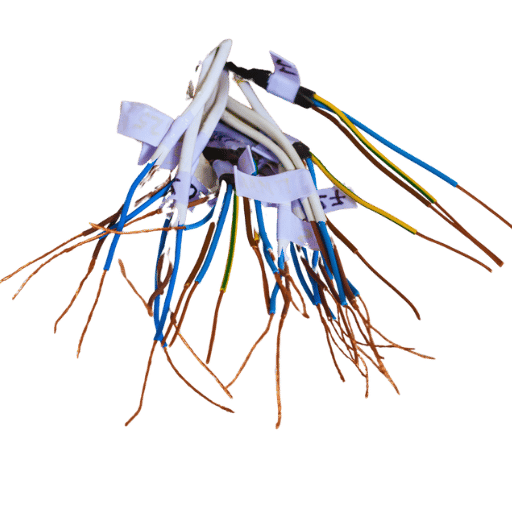
Implementing Effective Safety Training
To eliminate electrical dangers in a workplace, effective safety training programs are vital. Such a training strategy must be particular to each employee’s job description and the unique risks that come with it. Based on recent industry information, companies that have organized safety training programs experience a 23% reduction in electrical incidents every year.
The most important aspects of any safety training program include:
Identifying Hazards and Assessing Risks
Every employee should be trained regarding the potential risks of electric dangers, including overloaded circuits, improper grounding, and damaged electrical equipment. Having employees trained to identify risks can lead to a drop in near-miss incidents by almost 40%.
Compliance with Standards Regulations
Safety training should also focus on OSHA and NFPA 70E guideline compliance. This ensures that there is a common minimum level of safety awareness and limits violations that would otherwise result in accidents. Workplaces that prioritize compliance tend to have much better safety records than those that do not.
Responding to Emergencies with Preparedness
Clusters of workplaces now have an updated emergency response system for electrical incidents, equipped through up-to-date workshops and brainstorming sessions. Drill rehearsals related to emergencies and reporting processes are emphasized among employees concerning the workplace’s electrical dangers. Research shows that the implementation of annual drill safety checks reduces injury severity by 30%.
Working with Real-Life Scenarios
Practical training involves scenario-based training on the listed electrical dangers. The use of virtual reality equipment while simulating electrical safety procedures has been proven to increase level retention of those skills by over 60% when compared to traditional techniques.
Updating respective programs regularly, merging new technological innovations, and contriving static and dynamic approaches regarding electrical dangers helps address the electrical hazards and risks associated.
Regular Maintenance of Electrical Equipment
Regular maintenance of electrical equipment is vital for avoiding operational downtimes or failures, as well as ensuring safety. A schedule should include regular testing, inspections, and the replacement of any worn-down components. Equipped with preventive maintenance strategies, studies show that up to 75% of equipment failure can be reduced, which showcases the benefit of taking proactive measures.
Preventive maintenance technologies help further improve system reliability. IoT sensors, for example, can monitor systems in real time and collect data on the equipment, which allows maintenance teams to address issues before they worsen. Other key maintenance activities include thermal imaging, infrared inspections, and insulation resistance testing to guarantee safe functional parameters.
Ensuring compliance with the National Electrical Code, along with IEEE and NFPA recommendations, improves compliance and overall safety. Organizations can make educated decisions regarding upgrades and replacements through proper tracking of the maintenance documentation that is recorded and stored over time.
Integrating scheduled maintenance with diagnostic tools can give industries better efficiency, minimize electrical hazard risks, and enhance the equipment’s longevity, which ultimately results in better operational outcomes.
Creating a Safe Work Environment for Employees
Having a safe work environment protects employees while also ensuring efficiency and efficacy in their execution of duties. Some of the basic functions include formulating safety measures, constant training, and providing the necessary PPE. Regular evaluation and inspection of all sites, as well as hazard checks, must be done to risk. Open communication channels allow employees to raise any safety and health issues without fear. Ensuring that the stipulated guidelines and standards are followed increases compliance whilst reducing accidents or injuries.
What Are the Leading Causes of Electrical Hazards?
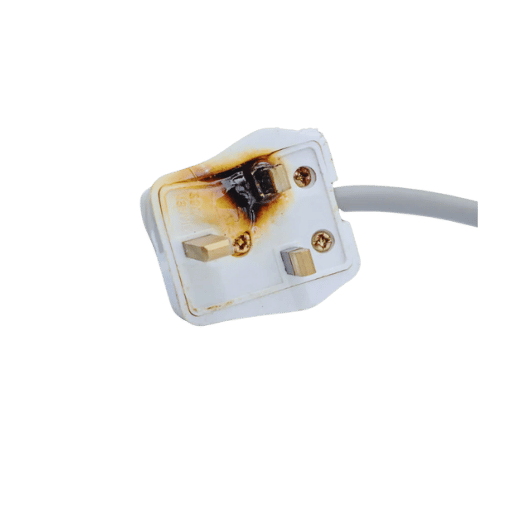
The Role of Faulty Electrical Systems
Due to outdated wiring, improper installation, lack of maintenance, and other issues, faulty electrical systems are a primary source of electrical hazards. All of these problems may lead to the following: a greater chance of exposed wires, equipped machinery breaking, circuits becoming overloaded, and so much more. Each of these poses a significant risk for electrical shock, short circuits, and even fires. Regular inspections and thorough maintenance of the electrical systems can help mitigate the risks and ensure safety. Following electrical safety protocols and advanced legislation concerning the equipment used further reduces the potential for these hazards.
Risks of Using Damaged Electrical Cords
Worn electrical cords pose critical safety risks alongside numerous operational and technical threats. Damaged cords can deliver life-threatening electrical shocks. The National Fire Protection Association (NFPA) reported that the distribution and lighting equipment was responsible for roughly 10% of home structure fires in the last few years. Additionally, weakened cords can cause overloaded circuits, which leads to overheating, equipment fires, and other dangerous malfunctions.
Worn cords pose a risk by failing to conduct electric current which leads to unstable devices, short circuits, and voltage variations. Such electrical instability is damaging to sensitive devices and could result in expensive reparations. Besides, businesses might suffer from decreased productivity alongside operational downtimes due to failure of electrical cords.
Prompt replacement of damaged electrical cords alongside regular inspections helps greatly in mitigating the risks, along with the following OSHA workplace electrical safety guidelines. Alongside reducing the chances of moisture, pinching, or bending, proper storage can enhance the operational safety as well as the lifespan of the cords.
Consequences of Ignoring Electrical Safety Hazards
If not properly managed, electrical safety risks can cause level harm from property damage through injury to death. The Electrical Safety Foundation International (ESFI) shows that nearly 51,000 home fires caused by electricity start every year in the U.S., claiming more than 500 lives and inflicting $1.3 billion in damages. Likewise, in work environments, the National Fire Protection Association (NFPA) states that fires caused by electrical distribution and lighting equipment are major structural fire hazards.
Fires are not the only concern, as hazard exposure increases the chance of electric shocks with great consequences like severe burns, damage to the nervous system, or even death. Electrocution is in OSHA’s “Fatal Four” workplace dangers, highlighting the drastic impact of deaths in the construction industry from working at heights every single year.
Ignoring equipment maintenance and structured protocols is another way to incur great costs for equipment damages and operational standstills. A single broken connector or cord can halt critical work, meaning repair work and lost productivity. Proactive measures to enhance safety compliance in electrical works alongside safety standards enable individuals and businesses to improve work and life safety and seize productivity.
How Can You Stay Safe from Electrical Hazards?
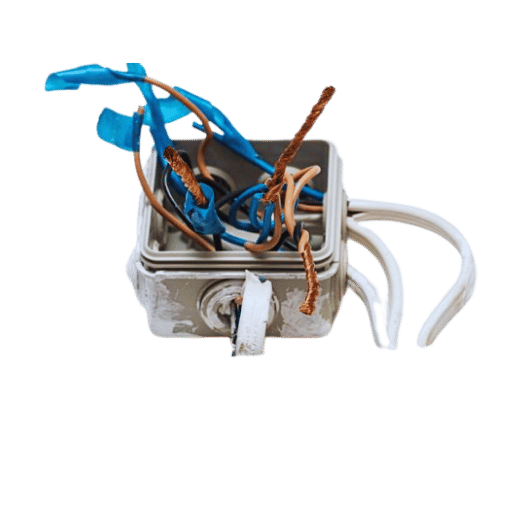
Adopting Electrical Safety Tips at Home and Work
Maintenance Tasks For Electrical Devices
Conduct regular inspections on wires, sockets, and electrical devices to ensure they are in good condition. Take immediate action to fix or eliminate damaged tools to safeguard against injury.
Avoid Combining Apparatus With One Outlet
To reduce the chance of overheating, spread the use of electrical devices across multiple outlets and avoid using many appliances with one outlet.
Incorporate Ground Fault Circuit Interrupters
For electric shock hindrance, GFCIs must be implemented in all areas containing the possibility of water and electric interaction, like kitchens, bathrooms, and outdoors.
Remove Power Cords From Appliances Not In Use
For the purpose of lowering the chance of fire outbreaks and conserving energy, unplug appliances and devices not in use.
Electricity and Water Should Not Be In Close Proximity
For the purpose of lowering the chance of shocks or equipment damage, all electrical devices and outlets should be dry and kept away from wet hands.
For Appliances With Labels, Use Them As Intended
To uphold safety and prevent unwanted changes, devices need to be used solely as per the provided guidance of the maker.
Electricity can be dangerous but by following these steps you can greatly reduce the risks both in the workplace and at home.
Understanding the Risk of Electrical Shock
An electric shock occurs when an electrical current travels through the body, often due to contact with live wires, broken equipment, or incorrect maintenance of electrical systems. The level of injuries inflicted on the body differs from case to case. Some may depend on the voltage, current, time of exposure, and the route the current takes within the body. Some studies suggest that currents of just 0.1 amps flowing through the heart can be life-threatening, while even lower values can cause involuntary contractions of muscles and uncontrollable movements.
Common Risk Factors
Damaged insulation
Old equipment is the most prone to this. Worn out or split wires increase the chance of coming into direct contact with the conducters.
Wet areas
Areas with poor drainage, such as outdoor restrooms or kitchens, are extremely hazardous to be in because they are saturated. Water greatly enhances conducivity.
Use of uncertified equipment
The possibility of shocks and equipment malfunctions is heightened when the devices used are fake and do not adhere to safety regulations.
Effects of Electric Shock on Health
Mild electric shocks may cause only a slight tingling, while more intense shocks can lead to life-threatening injuries such as burns, nerve damage, or even cardiac arrest. According to OSHA (Occupational Safety and Health Administration), about 30,000 non-fatal electrical shocks are recorded every year in the US, and around 300 deaths are reported due to work-related incidents. One of the long-term effects of moderate to severe shocks includes persistent neurologic disorders like amnesia, chronic pain, and anxiety.
These risks can be effectively managed by both individuals and organizations to eliminate the dangers that shocks from electrical wires cause to both people and workplaces.
Ensuring Proper Use of Extension Cords
While extension cords make life easier at home and in the workplace, they do pose a major safety concern if misused. Based on information received from the Electrical Safety Foundation International (ESFI), more than 3300 home fires are reported every year, and many people lose their lives or sustain serious injuries due to this. Not to mention the huge property damage. These fires are a result of the improper use of extension cords. To avoid risks, one must practice safety while using extension cords.
To begin with, ensure that the extension cord you pick is suited for your specific purpose. Less heavy-duty equipment can be powered by lighter cords, but high-powered stuff would need heavy duty extension cords. Always ensure the cord meets or exceeds the power requirements of devices connected. Overheating and fires are potential risks from underpowered cords.
Finally, check the condition of the cord. Items like exposed inner conductors or wires along with cracked insulation are red flags. Increased chances of electrical shocks tend to arise from frayed wires. If this is the case, make sure to replace them immediately.
Third and foremost, avoid placing cords in such a manner that they run across walkways or under rugs, as this could create tripping hazards. Rugs may trap overheating cords beneath them, restricting airflow and greatly increasing fire risks. Safeguard and order a setup with the use of cord protectors, organizers, or cable management systems.
Finally, do not connect multiple extension cords in a daisy fashion. Doing so could overload the circuit and increase electrical resistance, resulting in malfunctioning sparks or electrical fires. Use a single extension cord rated for length and wattage specifications when longer cords are required.
Following these guidelines will help individuals and organizations take advantage of extension cords while minimizing possibilities of accidents and fostering safety across the environment.
What Role Does Electrical Safety Training Play?
Benefits of Comprehensive Safety Training
An all-encompassing electrical safety training teaches a person the skills to effectively identify, mitigate and respond to potential electrical hazards. Various studies have shown that professionally managed training programs can reduce safety concern accidents by almost 70% in companies with hazardous working conditions. If a company educates workers regarding the dangers of equipment misuse, like overloaded circuits and faulty wiring, the property damage wrought, and
Subsequently, a focused safety training also raises the company’s ability to meet safety requirements like OSHA (Occupational Safety and Health Administration) regulations. Meeting these standards not only reduces liability cost but improves operational cost as well. Safety-trained employees tend to rely less on supervision and confidently perform their duties, thus minimizing the chances of accidents and equipment downtime by providing a safe working environment.
Moreover, the reduction of maintenance to electrical systems may reach 25-30% due to the implementation of proactive safety practices. In any case, a trained workforce is much more likely to spot an impending trouble and take the proactive measures needed in even the most unexpected situations. Continuous updates on a company’s safety procedures coupled with comprehensive staff training on the policies create a culture of safety, enhance productivity while protecting employees and vital company resources.
Training Employees to Identify Electrical Risks
Training programs that help employees identify electrical hazards are paramount in reducing risks, avoiding unproductive downtime, and ensuring effective productivity. Electrical safety training should contain practical elements about the identification of risks such as exposed wiring, overloaded circuits, and defective equipment. As an illustration, Statistics reported in the industry indicate that about 80% of electrical accidents in the workplace are associated with improper use of equipment or unattended equipment warning signals. Teaching employees these statistics enables them to become more aware of the situation.
Modern methods of teaching should also include the use of simulation tools and actual cases to enhance understanding. Employees can now be trained using advanced simulation programs that expose them to controlled risky scenarios such as arcing flashes or electrical shocks—without any real danger. Also, the adoption of compliance guidelines like those of OSHA and NFPA 70E helps ensure that employees are taught how to identify risks proficiently but not outside the context of legal and technical safety boundaries. Those who develop training materials ought to guarantee that they are up to date with the latest techniques in electrical safety, alongside other modern requirements, to guarantee that the workers observe the industry’s best standards.
Developing a Culture of Electrical Safety
Developing a culture of electrical safety requires clear communication, consistent enforcement of safety protocols, and regular reinforcement through employee training. Organizations should prioritize the implementation of standardized safety procedures, ensuring all personnel are well-versed in identifying and mitigating potential hazards. Leaders play a critical role by modeling safe behavior and emphasizing accountability at all levels of the team. Additionally, providing access to up-to-date safety equipment and conducting frequent audits to address compliance gaps are essential steps in fostering a proactive safety mindset.
Frequently Asked Questions (FAQs)
Q: What are some frequent sources of threats caused by electricity?
A: Stretching of circuits, use of electrical devices while in damp areas, slack wiring, and misuse of extension cords are some frequent electrical threats. Electrical safety can be enhanced through the early identification of wiring threats.
Q: What can I do to protect employees in a workplace from dangers brought on by electricity?
A: Regularly check electrical equipment such as panels and appliances for any possible risks, ensure that qualified professionals perform all electrical works, and teach employees about the risks posed by electricity along with safety procedures.
Q: What are the greatest dangers associated with using electricity?
A: Electric shocks, electrical fires, and burns represent the most severe threats when working with electricity. Ensuring compliance with the use of electricity at work regulations and appropriate safety management activities helps reduce the likelihood of accidents from wiring.
Q: What can I do to make sure that wiring accidents do not happen at home and in the workplace?
A: It is possible to make sure that wiring mishaps do not happen by following user manuals and instructions provided for each equipment. Correct maintenance of exposed wires and setting up appropriate protective structures if needed also contribute towards avoiding these kind of accidents. Regular inspection of electrical equipment also aids in avoidance of wiring hazards.
Q: What safety procedures should be in place for electrical work?
A: Safety measures related to electrical work should incorporate the de-energization of circuits before commencing work, utilization of personal protective equipment, the application of lockout/tagout procedures, and restriction of the performance of the electrical work to qualified personnel as one of the safety precautions about the risk of electrical hazards.
Q: In what way can the identification of electrical hazards assist in risk reduction?
A: The identification of electrical hazards provides an opportunity to intervene by undertaking steps like undertaking the removal of electrical components which lessens the risks associated with electric shocks, fires, or other hazards present within that environment. Audits checks are important to the overall safety management strategy, and so are risk assessments.
Q: What are the key components of electrical safety in the workplace?
A: In the workplace, key components of electrical safety are regular drills, abiding by occupational health and safety standards, proper upkeep of electrical equipment, and being prepared for emergencies. Following these actions eliminates most risks associated with electrical energy.
Q: Why is it important to address exposed electrical components?
A: Exposed electrical components must be dealt with because they can present grave dangers such as electrocution or even starting an electrical fire. Hence, these components must either be adequately covered or constructed in a manner where they do not pose a danger.
Q: How do electrical panels pose a risk, and how can it be managed?
A: Electrical panels provide risks if they are not kept properly serviced or if they are over capped and overloaded with devices. To mitigate these risks, make sure that regular servicing is done, revise maintenance documents for safety regulations, and train personnel in the correct operation and servicing of the equipment.
Reference Sources
1. Examining the Dangers of Electricity in the Workplace
- Author: D. K. Neitzel
- Published: 1st October 2013
- Journal: Occupational Health & Safety
- Citation Token: (Neitzel, 2013, pp. 42–44, 46)
Summary:
- This publication highlights various electrical risks associated with industrial work and notes the lack of analysis aimed at worker risk evaluation and safety systems.
- Methodology: The author examines existing literature and safety measures for common dangers, including electrical shock, arc flash, and equipment failure. This paper aims to discuss the use of adequate PPE and training as primary tools for risk mitigation.
- Key Findings: The study describes the potential permanent damages such hazardous work environments can inflict on unprepared workers. It emphasizes risk evaluation as the basis for the implementation of protective measures necessary for worker safety.
2. Guides: Electrical Safety; Risks and Prevention of Electrical Hazards
- By: J. M. Adams
- Release Date: Jun 30, 1994
- Citation Key: (Adams, 1994)
Abstract:
- This instructional guide analyzes electrical work risks and describes harm minimizing safety steps which can increase safety in an electrical worksite.
- Approach: The author examines a wide range of electrical hazards which include risks from shocks, electrocutions, and fire pertaining to electric appliances. The guide contains instructions on safe procedures and protective device use and application.
- Major Takeaways: The document stresses inadequate continuous education and training as a mitigator of electrical risks and hazards freely available to be used by the workforce.
3. The Effects of Electrical Hazards
- Authors: Madhav N. Thaker et al.
- Published: 2013
- Citation Token: (Thaker et al., 2013)
Summary:
- This paper studies the influence of electrical risks on a worker’s productivity and emphasizes the role of protective measures in eliminating electrical injuries.
- Methodology: The authors discuss several issues of concern such as electric shock, arc flash, and equipment failure, and their relevance to the safety of workers.
- Key Findings: The researchers assert that proper understanding of electrical risks, coupled with the adoption of relevant safety measures, will go a long way in managing the incidence of electrical injuries at workplaces.