The terms “flexible cables” and “flexible cords” are often used interchangeably; however, they represent different parts of the electrical system, and each has its components. The difference between a flexible cable and a flexible cord is crucial for industry experts and even those concerned with such electrical projects for safety, efficiency, and compliance with regulations. This article details features, uses, and regulations that distinguish flexible cables from flexible cords of a different class. From their construction to everyday optimal uses, this guide aims to clear any confusion regarding your wiring requirements.
What is a Flexible Cable?
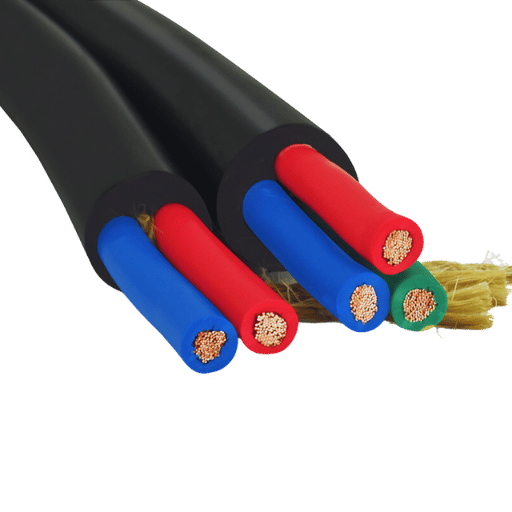
An electric cable is said to be flexible when it is made to be bent or flexed without breaking. Such wires are commonly used where movement or repositioning is quite common. Flexible cables are often made of a plethora of thin copper wires covered by an insulating layer and, therefore, are highly flexible compared to other forms of rigid cables. In addition, flexible cables can be found in robotics, appliances, machines, and several other fields where functionality and flexibility are highly valued.
Definition of Flexible Cable
Flexible cable, an electrical cable designed to sustain bending and movement, is frequently deployed in the highly mobile fields of robotics, industrial machines, and consumer appliances. For heightened versatility, it is constructed using thin copper wires alongside an insulating cover that guarantees safety and durability.
Types and Applications of Flexible Cables
Flexible Cables With Single Core
Single-core flexible cables have one conductor and are used in low-power applications. These are often used in control panels, appliance internal wiring, and electronic circuitry. They are dependable and sturdy with the appropriate flexibility that allows application in tight spaces.
Flexible Cables With Multi-Core
Multi-core flexible cables have many insulated conductors twisted together in a single outer covering. They are often used in intricate electrical systems like data and communication systems and also in industrial control systems. These cables are meant for high-performance applications and are suited for congested wiring environments.
Shielded Flexible Cables
Shielded flexible cables have a conductive foil or braid metal covering the insulated conductors. This layer shields the cable and protects it from electromagnetic interference (EMI). It is used extensively in audio-visual assemblies, instrumentation, and places where electrical noise is high. These are often used in telecommunications and medical diagnostics industries to preserve the integrity of signals.
Drag Chain Cables (Continuous Flex Cables)
Drag chain cables are a type of cable specifically made for the automated robotics machinery because they endure constant bending. These cables play very important roles in systems such as cable carrier and power chain systems because of their ability to function in high-deformation situations. They often are put through rigorous testing of millions of bending cycles to determine if they excel in high-stress environments.
Heat-Resistant Flexible Cables
Cables that are used in high-exposure environments such as power plants, foundries, or ovens have the special ability to withstand high temperatures, ensuring safety and reliability. To withstand flame, heat, or even chemicals, these cables are made using insulating material like silicone or Teflon, which is known for offering superior strength over several degrading factors.
Applications
- Due to their distinctive features, flexible cables are used in a wide range of industries.
- Industrial automation: Due to their use in powered arms, conveyors, or automated machines where constant and repetitive bending is present, flexible cables are commonplace in industrial automation systems.
- Telecommunications: Unworking flexible cables are needed to suspend signal failure and enable constant, uninterrupted data delivery.
- Renewable Energy: Unless explicitly stated otherwise, flexible cables are used for particular installation requirements on solar panels and wind turbines.
- Healthcare: Shielded flexible cables are used for sensitive locations in diagnostic imaging devices and other imaging apparatus for safety and pinpoint accuracy.
Performance and reliability improvement of flexible cables across various sectors with the aid of recent innovations in such insulation materials and enhanced shielding techniques is expanding the flexibility scope of these cables.
Material and Insulation Used in Flexible Cables
Flexible cables are made with modern materials that provide competitive strength, flexibility, and safety. The fundamental conducting element is usually, in most scenarios, copper, or aluminum due to their great electrical conductivity and flexibility to be bent or twisted repeatedly. Copper is most widely preferred because of the high tensile strength it possesses, along with resistance to fatigue and energy loss during transmission.
To maximize performance and safety, flexible cables have high-quality insulation materials. Some of the insulation materials include:
- “It is very well known that PVC provides flexibility alongside thermal, chemical, and moisture resistance, therefore making it versatile. The broad utilization of PVC is stemmed from its affordability and adaptability, making it great for general use.”
- “XLPE is particularly noted for its application in industrial and high voltage cases. It possesses exceptional heat resistant qualities, having great mechanical strength and low dielectric loss, quite useful for extreme environments.”
- “Offering high resistance alongside exceptional flexibility, silicone rubber is widely used is industries and automotive applications where extreme temperatures need to be dealt with.”
- TPE (Thermoplastic Elastomer) is a classification of materials known for their flexibility and resistance, making them ideal for various applications. TPE combines the advantages of thermoplastic and elastomeric-based materials, proving to be flexible and resistant to abrasion and chemicals while providing resilience.
The choice of materials varies depending on the intended use of the cable, which also considers insulation depth, expected operational temperatures, and other external factors. The improvement of modern safety standards has recently been met, for instance, with the development of fire-retardant insulation materials, such as the Low Smoke Zero Halogen (LSZH) compounds, which participate in the combustion process without releasing harmful gases.
To improve cable performance under stress during production, additional innovative measures are taken. For example, multi-layered insulation systems are designed with several types of materials to achieve some combination of enhanced durability, thermal insulation, and electrical insulation. These factors are all leading to the wide use of flexible cables in many areas, such as manufacturing, construction, and even renewable energy systems, all by the industry standards.
What is a Flexible Cord?
Definition and Properties of Flexible Cords
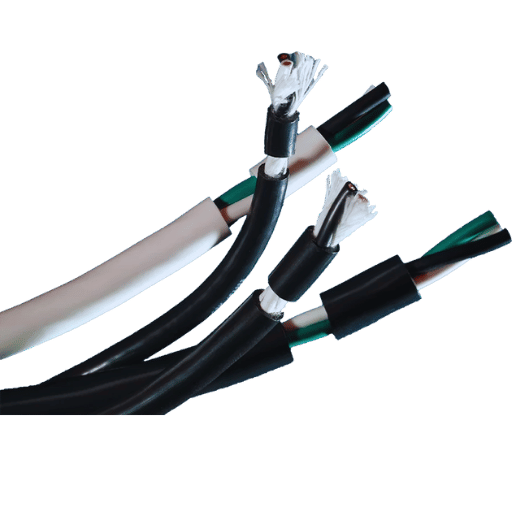
Flexible cords are meant for temporary and portable connections; ubiquity in their use stems from their pliability that does not compromise performance. They are popular in household devices, power tools, and even some industrial machines. Their characteristic pliability is realized via the use of suitably designed, finely stranded copper conductors with PVC (polyvinyl chloride), rubber, or thermoplastic elastomers class high-grade insulations.
These materials take protective ease and longevity to combine heat, oil, moisture, and abrasion, which guarantees safe and reliable operations under diverse conditions. For popularity, flexible cords usually have advanced stringent voltage ratings (like 300V or 600V) or high temperature ranges (from -40°C to 90°C depending on the insulation type). In addition many flexible cords are designed to comply with industry standards like UL (Underwriters Laboratories), IEC (International Electrotechnical Commission), and CSA (Canadian Standards Association); all certifying safety and performance specifications.
In addition, the progress in production added supple features and shielded coverings, which facilitate reliable functioning of the cords in vigorous applications such as robotics and renewable energy systems. Awareness of these features and the respective certifications guarantees the proper type of flexible cord will be used for any given application, ensuring safety and functionality in residential and industrial settings.
Common Applications for Flexible Cords
The repeated bending, movement, and environmental stresses on flexible cords make them an invaluable asset to numerous industries. Some key areas where their application is critical are highlighted below, along with specific details and data:
Industrial Machinery and Robotics
Flexible power cords remain important and integrate themselves into powered industrial machinery and robotic equipment that are involved in continuous motion and dynamic flexing. Industry analyst reports suggest that robotics-related applications will increase from their current levels at a CAGR of 10% by 2030. This further supports the growing need for high-performance, durable cords that work at great lengths and in high-stress environments with extreme thermal and chemical resistance.
Renewable Energy Systems
The challenge of energy transmission in solar power systems and wind turbines is often tackled using flexible cords. For instance, the cables in these systems are specially engineered to be UV resistant as well as temperature and weather resistant to guarantee consistent performance. Data points indicate that the global renewable industry will undergo a substantial shift in the coming years as solar installations are forecasted to exceed 300 GW per year, which will increase the demand for enhanced cord designs.
Mobile and Constructed Workplaces
On sites of construction sites, tools, lighting, and machinery may be powered using flexible cords. These cords must conform to strict safety regulations, such as OSHA and NEC standards, which often include having a rugged outer sheath that resists abrasion, impact, and moisture or chemical exposure. Due to the nature of construction projects, cord flexibility is a necessity for workers to be able to productively maneuver tools and machines on site.
As with consumer electronics, flexible cables are heavily relied upon for household appliances to ensure both safety and efficiency.
Unless some other wiring alternative is permitted, many household appliances, such as power tools, refrigerators, and washing machines, utilize flexible cords for safe and efficient operation. These cords are constructed to specified UL or IEC standards that govern the prevention of electrical hazards. Demand for flexible cords in consumer electronics is on the rise alongside the growth of the global appliance market, which is currently estimated at over $500 billion.
Health Care Devices
Devices and systems used in the healthcare sector must function properly and meet strict sanitary guidelines. For example, flexible cords integrated into hospital equipment such as logging devices and imaging machines ili must withstand cleaning chemicals and heavy usage. Studies indicate an approximate 5.4% growth in the medical device market by 2028, pointing to increasing requirements for specialized cord technologies in the region.
With this knowledge, specialists can properly select flexible cords from the appropriate industry to guarantee efficiency and safety protocols.
Difference in Flexibility Between Cords and Cables
The flexibility of cords and cables is multifactorial, adopting material specification, construction geometry, and purpose. Flexible cords in principle, are braided for portable or movable equipment with a higher degree of maneuverability and strong insulation to frequent flexing. Flexible cords frequently utilize finely stranded copper conductors rather than solid conductors, which enhances flexibility remarkably.
On the contrary, cables are usually not as flexible because they are designed for more semi-permanent installations where rigidity and stability take precedence. For example, more powerful portable power transmission cables may employ heavier gauge wires to increase load capacity, which results in a loss of flexibility but greatly improves strength and durability. Multi-core cables are most often built with additional protective shielding layers, which invariably reduces shielding bendability.
Research has demonstrated that thermoplastic elastomers (TPE) and silicone rubber are preferred for high flexibility and resiliency applications. On the other hand, materials like PVC or polyethylene are used when there is little movability as those focus more on longevity and environmental protection.
Professionals must weigh operational needs, like the bending radius and movement or external factor exposure (moisture and chemicals), to guarantee efficiency without structural damage when selecting between cords and cables. For instance, power cables used in industries have a severe focus on bearing loads, while cords utilized in robotics and medical fields are more flexible for dynamic use with smaller bending radii.
How to Distinguish Between Flexible Cables and Cords?
Key Characteristics to Identify
For flexible cables and cords, various characteristics can be evaluated in depth to differentiate them:
Conductor Material and Stranding
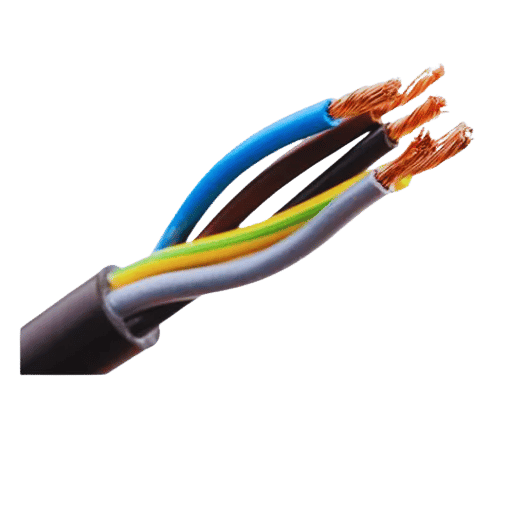
In most flexible cables, conductors are made of copper with very fine stranding. An increased number of finer strands leads to greater flexibility, which increases without compromising the conductivity, like those in Class 5 or 6 A, as level with IEC60389 granules, which is widely accepted in flexible stranded conductors and carries high flexibility.
Bending Radius and Cyclic Durability
One of the most important characteristics of flexible cables is the radius of bending. Cables having high flex designs might allow for the radius of bends that are as little as 5 diameters of the cable. Moreover, specific lifecycle tests have shown some flexible cables surpass 10 million bending cycles within reasonable control conditions. These cables prove to be a stalwart option for highly dynamic applications such as robotics and automation lines.
Voltage Rating And Current Capacity
Another difference is found in the ratings of voltage and current for an ordinary purpose cord and flexible cables. Flexible industrial cables typically have certain electrical requirements, as they comply with various international authorities such as UL, IEC, or VDE. For example, specialized power cords are rated for up to 600V, while more advanced industrial cables exceed this rating, which makes them more suited for heavy-duty applications.
Standards and Approvals
Another mark of identification is the approval and certification compliance marks. Flexible cables are required to meet certain standards, which include fire resistance ISO 6722, IEC 60332, as well as UL for flame testing and abrasion. These standards guarantee a level of safety and reliability, and performance that is widely accepted in the industry.
While flexible cables and cords may appear similar, one can easily understand their difference by analyzing the technical details specific to the application at hand.
Understanding Conductor and Insulation Differences
When examining the differences in insulators and conductors, I pay attention to material type, flexibility, and mechanical properties. Conductors are made of copper or aluminum and are chosen according to their conduction needs and stiffness. Insulation, however, is analyzed about dielectric strength, thermal endurance, and exposure conditions like humidity and chemicals. Through these studies, I can provide the optimum mix for the particular use case that is productive and meets all set standards.
The Role of Code and Standards in Identification
The development of codes and standards is essential for quality control, safety, and efficiency across any industry, particularly in the identification of materials and systems. In electrical systems, codes like the National Electrical Code and the International Electrotechnical Commission’s IEC guidelines have instructions for the identification of conductors, type of insulation, and system layouts. These instructions facilitate the integration of different parts of a system while reducing the chances of mistakes resulting in failures or dangerous situations.
For example, the codes for the identification of conductors specify the color or sign which should be used for particular functions which may include ground, neutral, or phase conductors. In modern codes, a green or green and yellow striped insulation indicates grounding conductors while a neutral wire is claimed to be white insulated in certain regions. Such standardization ensures that all professionals within particular regions can perform accurate installations and maintenance of electrical systems.
The standardization of materials also extends to insulation type using voltage ratings, temperature, and environmental resistance. Higher grade insulations such as cross linked polyethylene (XLPE) and ethylene propylene rubber (EPR) are covered by standards like IEEE 1580 and IEC 60502, which specify certain performance characteristics. These standards describe measures that include maximum operating temperatures, such as 90°C for XLPE and dielectric strength, enabling engineers to choose materials most suited for their use.
Furthermore, the adoption of standards-compliant materials has been reported at an impressive rate. Reports predict that the global markets for insulations and cables will experience a compound annual growth rate (CAGR) of around five percent through the year 2030. The factors influencing this growth stem from the rising need for standardized infrastructure for renewable energy systems, industrial automation, and sophisticated communication technologies.
When organizations apply and comply with codes and standards, they maximize operational efficiency and minimize non-compliance and error-based costs, including system safety risks.
What are the Types of Flexible Cables and Cords?
Various Categories and Their Uses
Flexible cables and cords can be divided into several relevant types depending on their characteristics and uses:
Power Cords
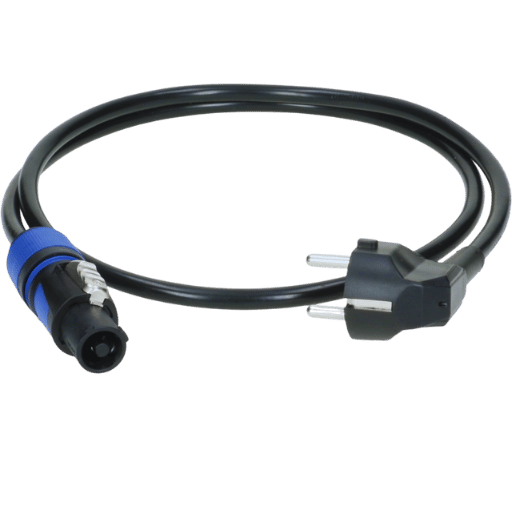
Used for transmitting electrical power, these are incorporated into household appliances, office equipment, and even portable tools.
Control Cables
Used for transmitting control signals, these cables are employed within industrial automation systems and machinery for specific functions.
Instrumentation Cables
These cables are used in the measurement and control processes where low-power signals are required and accurate transmission of data is needed in oil and gas or manufacturing industries.
Coaxial Cables
Coaxial cables are extensively used to transmit radio frequency signals, they are vital in communication systems, such as television and the internet.
Data Cables
These cables are often used for networking and communication purposes as they provide high-speed data transfer in any required IT infrastructure.
Operational need in each environment is taken care of by categorizing each cable to offer safety and reliability in performance.
Specific Types of Flexible Cables and Cords
Power Cords
Used to route power energy from a power socket to a device, these cords are frequently used with computers, appliances, and machinery. They are created to be flexible and durable in different settings.
Coaxial Cables
Coaxial cables are frequently used in cable television, internet, and radio frequency systems to transmit audio and video signals, alongside other uses.
Extension Cords
These come in handy when providing temporary electric power supply to devices that are located at a distance from power sockets while allowing freedom of movement.
Control Cables
Predominantly used in automation systems, control cables supply control signals from the automation system to the machinery or industrial equipment and help with the proper functioning of such devices.
With each type having a specific function, all of them are manufactured in such a way as to address their main purpose effectively, ensuring the best answer for the consumers’ needs.
Choosing the Right Type for Your Needs
Choosing a type of cable requires one to consider factors that ensure efficiency and safety. Individual factors, such as use case scenario, need to be considered first. For example, power cables must be chosen considering the voltage rating, the current that it can consume, and environmental conditions like temperature and moisture or chemical exposure. Different electric devices like extension cables require flexibility, as well as compliance to reliability and safety standards like UL (Underwriters Laboratories) and CSA (Canadian Standards Association) to reduce chances of electrical hazards.
Control cables also come with a use case scenario that needs to be evaluated in advance, like shielding options to avoid Electro Magnetic Interference (EMI), which affects sensitive machine communication. Other parameters that need verification are: size of the conductors, insulating material, and jacketing. All these factors need pairing with the need of industrial or automation environment which should also be in the block of high throughput systems.
Many manufacturers claimed to adopt eco-friendly materials that make their products halogen-free and recyclable. Also, self-healing insulation and stronger fireproofing highlighted in innovation for cable technology make these types highly secured for critical applications as well as bring down the expenses of repairs and maintenance. Customers can make sure that the cables they go for guarantee optimum performance while complying with regulated standards by focusing on these features along with products of high-quality assurance.
What are the General Requirements for Installation?
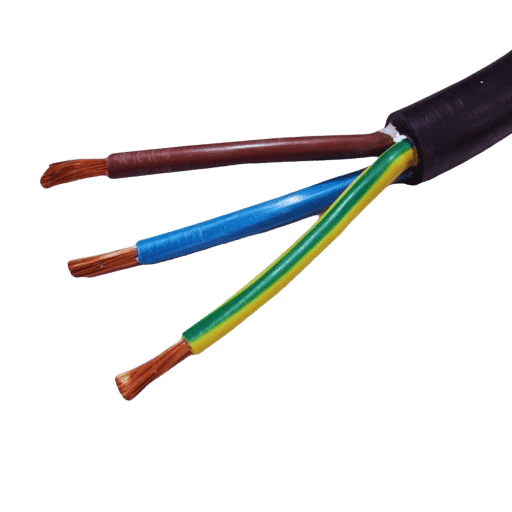
Installation Methods and Guidelines
Correct installation of cables is critical because it impacts performance, life span, and safety. Below is a custom cable installation procedure that is compliant to the best known practices of the industry:
Pre-Installation Activities
- Inspection: Before installation, cables need to have a visual inspection for any damage. Also, ensure that all cables are compliant with the standards they are intended to be used for.
- Route Planning: The route for the cables should be planned in such a way that there are no sharp bends, no high-stress areas, no chemicals, and no extreme temperatures. Distance should also be kept from heat sources and electromagnetic interference.
Cable Management Policies
- Do not apply too much pulling force while installing the cable, as this could cause damage to the insulation or conductor. Follow the allowable tension prescribed by the manufacturer for pulling operations.
- When pulling cables, use rollers or guide tools to reduce friction and abrasion.
- Do not expose the cable to moisture or direct sunlight, as this could reduce the insulation over time. Make sure to store cables in a ventilated space that is dry.
Installation Procedures
- Overhead: Use approved brackets or clamps that will safely hold the weight of the cables while restricting movement and vibration. These need to be spaced evenly to avoid sagging and to ensure safe transmission of electricity.
- Underground installations: The installation of protective conduits or ducts for cable spacing to aid in avoiding mechanical damage and moisture is recommended. Local codes define the depth of burial with residential circuits set to 18-24 inches and deeper for industrial environments.
- Vertical Installations: To provide adequate relief of stress and support on the conductor to eliminate slipping or even detachment, tension relief devices and cable supports should be provided.
Environmental Considerations
- With outdoor installations, cables should be UV resistant, and in environments with high abrasion, the use of protective sheathing is recommended.
- Indoor installations are suggested to use flame-retardant cables to adhere with National Electric Code NEC requirements for fire hazard safety.
Testing and Verification
- Conducting performance tests after installation, like insulation resistance checks, continuity checks, and ensuring ground verification, helps to make sure everything works seamlessly.
- To be sure that maintenance and inspection can be carried out easily It is wise to document the installation process alongside routing diagrams and testing results.
Following these guidelines and methods helps to devise cable installations designed with efficiency, safety, and operation dependability in mind. These depend on the effectiveness of routine maintenance alongside local and international standards.
Understanding Code Compliance and Safety
To achieve hazard prevention, performance optimization, and sustained reliability in electrical systems, code compliance and safety need to be ensured. Compliance starts with following set standard codes, which means for the United States it will be the NEC’s National Electrical Code and for the rest of the world, it will be the International Electrotechnical Commission (IEC) standards. These stipulations set the bare minimum benchmarks when it comes to the proper and safe design, inspection, and installation of electrical systems.
Undoubtedly, the most important area is the sizing and amount of electrical input a device can take. Following these described parameters guarantees that cables and wires will not overheat due to electrical use. The NEC for example, has elaborate tables for the ampacity ratings, which factors include the type of material the conductor is made of, the type of insulation, and even the temperature of the environment.
Effective shock reduction techniques and removing faults efficiently are referred to as bonding and grounding. These other electrical safety methods employ conductive materials that create a path whose resistance is minimal, otherwise referred to as a low impedance path. Researchers and data have proven that faulty grounding methods are the number one reason for electrical faults and breakdowns of equipment.
To reduce risks circuit protection plays the most important role. Surge protection devices, fuses, and circuit breakers should follow the given installation processes and rated capacities. Current innovations in ground-fault circuit interrupters and arc-fault circuit breakers greatly improve safety through the recognition of dangerous leaking currents and arc faults.
Moreover, routine maintenance and inspection are crucial in maintaining compliance over time. 25% of electrical incidents stem from missed maintenance according to industry surveys, highlighting the importance of regular system checks, thermal imaging audits, and testing for potential failures.
The integration of emerging technologies, such as smart monitoring systems, helps achieve compliance through real-time data capture. This information can be processed further for identification of system performance anomalies, inefficiencies, or code violations for probable corrective measures to be undertaken.
In summary, proactive code compliance, along with aiming for the strictest safety practices, not only ensures the protection of people and assets but also enhances the operational life of electrical systems while promoting energy efficiency.
Maintenance and Flex Life Considerations
Maintaining electrical cables is crucial, especially for optimizing operational lifespan and performance. Regular maintenance helps avoid breakdowns during operations. Flex life is defined as the quantifiable measure of a cable’s ability to undergo mechanical motions such as bending and twisting without compromising safety or functionality. The flex life capabilities of a cable can be affected by its material composition, construction, and the external operating environment.
To guarantee the dependability of insulative cables under severe service loads, regular examinations to check structural integrity for insulation cracks or damaged conductor lines are recommended. Research indicates that greater numbers of strands composed of smaller gauges result in greater flexibility and increased durability under dynamic conditions. Furthermore, the use of new materials, particularly thermoplastic elastomers and cross-linked polyethylene (XLPE), has been shown to greatly enhance flex life due to harsh environmental temperatures or high-cycle applications.
New information indicates that the installation of sensors for the real-time monitoring of deformation and strain can reduce cable failure possibilities by up to 30% through the utilization of predictive maintenance. When combining strong material selection with state-of-the-art monitoring solutions, systems not only can comply with safety regulations but also have better service life, thus providing dependable service to users.
Frequently Asked Questions (FAQs)
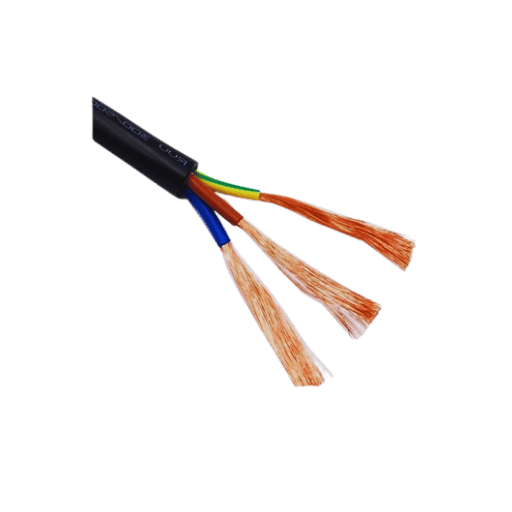
Q: What is the core difference between flexible cables and flexible cords?
A: The core difference is the use, purpose, and construction of the product. A flexible cable is intended for more permanent installations and can be used as a wiring method in fixed wiring systems, thus having higher durability. They are constructed with stronger insulation to withstand harsher environments. Flexible cords, however, are meant to be used in non-permanent connections to portable equipment and appliances, which makes them less durable. Both flexible cords and flexible cables are governed by Article 400 of the National Electrical Code, which regulates the installation and usage of these cables and cords.
Q: Can flexible cords be used for fixed wiring in a building?
A: No, flexible cords must not be used for fixed wiring in a building. The wiring and use of flexible cords is not permitted within a structure. The electrical code does not allow for the flexible cord to be used instead of fixed wiring for a structure. Moreover, they cannot be threaded through walls, ceilings, and floors, hidden within walls or ceilings or installed in cable trays, nor can they be placed within cable trays. Flexible cords are designed for loose connections or for equipment movement on portable equipment. Other methods of approved wiring should only be used under proper engineering supervision when it is a permanent installation.
Q: What types of environments are flexible cables suitable for?
A: Flexible cables include varieties suitable for diverse environments depending on their construction. Some constructions are exposed to wet locations, and others are exposed to chemicals, oil, or extreme temperatures. Some constructions are rated for outdoor use while others are industrial grade and can be subjected to large amounts of stress and wind. Certain flexible cables are specifically for continuous motion such as bending in a cable chain or other movements like twisting. The construction and the environment the insulation material is used in must be stated by the manufacturer.
Q: How do I find out the maximum temperature rating of a flexible cord and cable?
A: Usually, the maximum temperature rating for flexible cords and cables is marked on the device itself or included in the documentation provided by the manufacturer. This marking refers to the maximal temperature at which the insulating substance can function safely without deterioration, damages, or violations of safety provisions. About flexible cords and cables, the temperature ratings can be as low or as high as 60°C, 75°C, and 90°C, with even higher ratings for specialized applications. Breaching these temperature limits has the potential of damaging insulating materials, causing failure of electrical systems, and creating dangerous fire hazards. Always check the product documents to make certain the recommended electrical load will not make the wire exceed the permissible temperature.
Q: What testing standards do flexible cords and cables need to meet?
A: Flexible cords and cables undergo stringent testing to verify safety compliance. These evaluations include checking for flame resistance, electrical insulation, mechanical strength, and electrical efficiency. In the US, Underwriters Laboratories (UL) standards are pertinent, including UL 62 for flexible cords. Other checks may include cycle tests for flexibility and crush, impact, temperature cycling, and moisture resistance. Additional testing for oil resistance, chemical exposure, or torsion stress may be needed for certain specific applications. Manufacturers are required to revise their testing procedures regularly to keep up with new safety standards. Each type of cord or cable has a letter designation (e.g., SJ, SO, or SOOW), which sets forth the construction and intended uses of the device.
Q: This one’s tricky for me as I need to select between flexible cords and cables for connecting luminaires or lamps. How can I simplify things?
A: There are several issues to address. One is the classification of luminum and their ranges of use. For adjustable fixed lighting installations, specially designed flexible cables for luminaires can be used. Flexible cords can be used for portable lamps or lamps that are repositioned frequently. Also, the environment of use must be considered – wet locations must be catered to by the proper rating assigned to the cord or cable. So must the lamp’s electrical load, along with any mechanical stress the connection might undergo, and local standards may dictate. Flexible cords used for lamps must have the proper rating for the heat that the luminaires are bound to emit. In case of doubt, consult with an electrical professional.
Q: What are the conditions under which I may have to change flexible cords or cables?
A: Flexible cords and cables should be replaced when there is evidence of damage, for example, cuts or cracks to the covering, exposed wire, broken insulation, or burns. Other reasons for replacement include the device getting warm or the cord being discolored, and loosely fitting plugs when connected. Inspections should be routine for cords that are often flexed, twisted, or subjected to harsh working conditions. In addition, equipment that works intermittently may indicate that there is damage to the internal wires. Cords should always be substituted with ones that have the same type and rating, and damaged flexible cords should never be repaired with tape due to the safety hazards they create.
Q: What is the best way to get in touch with an expert for help on choosing a flexible cord or cable that would best suit my application?
A: To get an expert’s help in choosing the right flexible cable or cord that caters to your specific needs, please fill out our designated support form on our website or reach out by phone using our available line for technical assistance at [phone number]. Our product and electrical engineering specialists can offer capsules for your needs evaluation in regards to the environment, mechanical stress (if needed), electrical load, and legislation. In addition, we provide consulting for large and complex engineering projects that do not require detailed supervision of the engineering work. Relocate to detail should be provided by the client if the application is exposed to location information, movement, and conditions such as chemical extremes, temperature, and water.
Q: Which options for flexible cord or cable accessories for different applications exist?
A: Accessories that help improve the safety or performance of flexible cords and cables include, but are not limited to, strain relief connectors, which assist in preventing pulling stress on a termination point, cord grips for environmental sealing, and cable glands for enclosure integrity. Other protective accessories such as protective sleevings or conduits and grommets provide additional mechanical protection, while terminal lugs, ferrules, and special environment designed connectors serve as terminal accessories. For moveable applications, energy chains or cable carriers are used to support cable movement while minimizing wear on the cables. In the case of extensible, yet manageable, cord lengths, cord reels come in handy for these applications. Installation accessories include cable ties and clamps, along with proper support systems. When modifications are permitted, heat-shrinking tubing and splice kits enable repairs. For specific applications, contact us for accessory selection guidance.
Q: What are the risks of using the wrong type of flexible cord or cable?
A: Risks stemming from using the wrong flexible cord or cable type include shocks, fires, damage to equipment, and non-compliance with relevant policies and regulations. Lacking a proper temperature rating means a cord may overheat and cause ignition. Using indoor-rated cords in wet areas leads to breakdowns in insulation and shock risks. Improper cords lacking appropriate strength can break internally, causing intermittent connections or exposed conductors. Using these cords in oil or chemical environments not suitable for such exposure leads to rapid cord degradation. Premature failure is caused by inadequate flexibility and undersized cords that are unable to safely carry the required current. Not properly listing or labeling cords for their intended removes can lead to electrical code violations, which can result in disastrous consequences by way of failed inspections, liability issues, or insurance problems.
Reference Sources
1. Final Report The Optimization of a Flexible Printed Cable Broad Side and Edge Coupling
- Author: M. Samoylichenko
- Published: 2024-09-08
- Summary: This work concerns the optimization of flexible printed cables (FPCs) to achieve minimum ultra-wideband (UWB) pulse interference. Special attention is paid to modal filtering techniques, which can be executed on different structural levels, such as cables. The optimization provided significant UWB interference suppression, proving the effectiveness of conductor spacing and width adjustment in flexible caible(FPCs)(Samoylichenko 2024, pp. 628-632).
2. Optimisation of Flexible Printed Cable with Broad Side and Edge Coupling and Alternating Arrangement of Signal and Reference Conductors
- Author: M. Samoylichenko
- Published: 2024-09-27
- Summary: This research is a continuation of an optimization study on flexible printed cables that pays special attention to the layout of signal and reference conductors. It analyzes the influence of different parameters on the functioning of flexible cables while minimizing UWB interference and accomplishing remarkable attenuation levels. (Samoylichenko, 2024, pp. 583–588)
3. Refinement of a Double-Sided Flexible Printed Circuit Board Cable Optimized Structure
- Author: M. Samoylichenko
- Published: 2024-05-20
- Summary: In this paper, the impact of radio absorbing components on UWB interference deposition in multiflexed printed circuits are cables is studied. The author focuses on enhancing the conductor’s gap and width while sustaining the ordinate increase in cable length(Samoylichenko, 2024, pp. 429–434).