The utilization of kinesiology tape has transformed our strategies towards injury prevention and physical rehabilitation. Athletes seeking optimal performance, injury-convalescents, or health enthusiasts—regardless of where one stands—this durable aide benefits a multitude of users. But what precisely is kinesiology tape, and how does its application work? In the following paragraphs, we shall understand the science behind this outstanding invention while looking at its part in muscle support, blood flow, recovery, and overall healing. Together, let us venture through the wonders of kinesiology tape and understand the catalyst of innovation in sports medicine and rehabilitation.
How Does Kinesiology Tape Work?

Kinesiology tape functions by creating a gentle lift of the skin at the area of application. This lift creates a cavity between the skin and the tissues beneath it. This minimizes the impact on delicate structures and subsequently allows for better circulation and lymphatic clearance. In turn, this reduces ache, inflammation and facilitates the healing process. It is further suggested that the elasticity of the tape assists muscles and joints while allowing motion, which aids in enhancing performance. When applied accurately, it works synergistically with the body’s primary systems of motion to aid in recovery and optimize physical performance.
What is Kinesiology Tape?
Kinesiology tape is a type of elastic therapeutic tape specifically crafted to assist in the support of muscles, joints, and tendons during movement or recovery. It achieves its effects by alleviating some skin pressure, leading to improved blood flow, circulation, and overall healing. Usually applied to various fields in sports medicine and rehabilitation, it protects movement while allowing for a free range of motion. This helps in the controlling of pain, alleviation of inflammation, and safeguarding against injuries.
How Does Elastic Therapeutic Tape Benefit the Body?
Elastic therapeutic tape (ETT) is helpful for the body through its application methods and design technique by helping address a multitude of physical problems. The fetch the skin lifting technique improves blood circulation and lymphatic circulation as it intercedes under the skin, creating space between tissues. Improved circulation is vital in acute and chronic injury healing; thus, the reduction of inflammation and swelling is aided due to improved blood circulation. Non-invasive treatment for tendinitis, muscle fatigue, and sprains has been made possible through the assistance of kinesiology tape, which reduces pain perception by interfering with pain signals sent to the brain.
ETT enhances the body’s sense of proprioception, which aids in proper muscle function, and thus muscle fatigue is reduced. Proper muscle function aids in the stabilization of joints and muscles, and this allows the range of motion to be maintained, enhancing athletic performance. Studies show that the reduction of muscle fatigue due to prolonged activity is aided by the tape since strain on weakened and overused muscles is decreased. With the elasticity and durability of ETT, athletes and patients can do rehabilitative tasks without interruptions as the tape aids in positioned for several days. All these benefits make Kinesiology tape a great aid in the field of sports medicine, physical therapy, and rehabilitation.
Can Tape Application Enhance Blood Flow?
Evidence suggests the application of kinesiology tape may have positive effects on blood flow dynamics. By vertically lifting the skin above the underlying soft tissues, the tape creates potential spaces for improved microlanculation while simultaneously relieving some pressure on lymphatic vessels. Studies also show that this enhances both venous and lymphatic flows, thereby improving tissue perfusion and increasing the removal of metabolic byproducts.
An article published in the Journal of Sport Rehabilitation states that there is an increase in superficial blood flow in areas where kinesiology tape has been applied, with some studies recording a 20% improvement in comparison to control areas. This is especially important in the case of patients recovering from injuries or patients undergoing vigorous activity, as the improved blood flow reduces recovery time. The tape’s unique properties, in addition, allow for motion to be preserved while providing support to the muscles and soft tissues, which is important for effective rehabilitation or sports performance outcomes.
What Are the Common Taping Methods?

What is the Kinesio Taping Method?
Kinesio Taping Method is categorized as a rehabilitation method because it aims to support and secure muscles and joints while permitting complete freedom of movement. This technique was invented in the 1970s by Dr Kenzo Kase, who uses a specialized elastic tape called Kinesiology Tape that stretches exactly like human skin. Kineosi Tape, unlike conventional athletic tape that limits movement, restricts natural movement while allowing free motion of the body parts, enabling pain relief.
This method works through skin lifting on a microscopic level to create a subdermal space which improves buod circulation and lymphatic drainage. Increased blood flow helps in the control of inflammation, relaxing muscles, and improving fast recovery. As an example, research shows Kinesio Taping can reduce muscle soreness and edema in athletes undergoing high-intensity activity.
Kinesio Taping has become popular with physiotherapists, sports medicine practitioners, and rehabilitators for the treatment of tendinitis, joint instability, and some muscle imbalances. It is often administered in certain patterns and degrees of tension to meet the therapeutic objectives of the patients. Clinical results have shown its usefulness in managing pain and working in conjunction with proprioceptors – pointers that help in preventing injuries and improving performance.
Although a complete understanding of the Kinesio Taping Method’s effectiveness is yet to be established, many sports practitioners and athletes integrate it as an adjunct therapy. Its use for improving musculoskeletal function and recovery in acute and chronic conditions remains highly popular.”
How to Apply Kinesiology Tape Correctly?
To receive the best benefits from aiding muscle support, reducing pain, and improving recovery, kinesiology tape must be applied precisely. Ensure that the application steps listed below are followed exactly:
Skin Preparation and Sanitization
During the pre-application stage, the skin must be clean, dry, and devoid of lotion or grease. The adhesive bonds more securely to the surface, hence there won’t be any peeling off of the adhesive.
Kinesiology Tape Measurement And Cutting
Assess the required length of the tape to the relevant area being treated. When required, the edges of the tape should be completed with scissors. By rounding the corners, the chances of the tape succumbing to peeling iteratively diminishes.
Tape Anchoring
Firstly, place the first one to two inches of tape on the skin once the stretch is nullified. The anchors that assist in adhesion will promote the tape staying fixed in place, which results in no discomfort when movement occurs while also preventing slack while stroking.
Stretch and Apply Mechanics
When dealing with the middle section of the tape, regarding the area’s outcome, the appropriate level of stretch should be applied. Usually, support that is provided uses 10-20% stretch, while pain relief can use up to 50%. While excessive stretching should not be done, otherwise skin irritation and reduced effectiveness will ensue.
Adhering the Ends
As with the anchor, the last few inches of the tape should be firmly applied without stretching the tape. This step controls for smooth application and prevents lifting.
Activating The Adhesive
“Set” the tape by rubbing the surfaces lightly, activating the adhesive through heat created by friction. This makes the tape more secure during motion or other physical activities.
Testing Mobility And Comfort
After the tape is applied, the range of motion at the joint should be checked for ease of movement and level of supported movement. In case of discomfort or peeling, the tape should be taken off and reapplied.
Common Application Techniques by Condition
Muscle Support and Tension Relief
Tape should be applied in the direction of muscle fibers and in the amount of stretch needed to relax the muscles, enhance blood supply, and provide movement support.
Joint Stabilization
Use cross-taping techniques for stabilization of the joint. With these techniques, the contours of the joint should be followed, leaving sufficient room for free movement. The proper application of these techniques is believed to improve proprioception at the joint.
Swelling and Bruising
Tape may be applied using fan or web design to help with lymphatic drainage. There is clinical evidence suggesting that this technique can improve superficial tissue swelling by increasing fluid circulation.
If the application procedures are properly adhered to, kinesiology tape can be efficiently used as an adjunct in injury treatment, enhancement of performance, and rehabilitation.
What Role Does the Adhesive Play in Taping?
Kinesio Taping Method is categorized as a rehabilitation method because it aims to support and secure muscles and joints while permitting complete freedom of movement. This technique was invented in the 1970s by Dr Kenzo Kase, who uses a specialized elastic tape called Kinesiology Tape that stretches exactly like human skin. Kineosi Tape, unlike conventional athletic tape that limits movement, restricts natural movement while allowing free motion of the body parts, enabling pain relief.
This method works through skin lifting on a microscopic level to create a subdermal space which improves buod circulation and lymphatic drainage. Increased blood flow helps in the control of inflammation, relaxing muscles, and improving fast recovery. As an example, research shows Kinesio Taping can reduce muscle soreness and edema in athletes undergoing high-intensity activity.
Kinesio Taping has become popular with physiotherapists, sports medicine practitioners, and rehabilitators for the treatment of tendinitis, joint instability, and some muscle imbalances. It is often administered in certain patterns and degrees of tension to meet the therapeutic objectives of the patients. Clinical results have shown its usefulness in managing pain and working in conjunction with proprioceptors – pointers that help in preventing injuries and improving performance.
Although a complete understanding of the Kinesio Taping Method’s effectiveness is yet to be established, many sports practitioners and athletes integrate it as an adjunct therapy. Its use for improving musculoskeletal function and recovery in acute and chronic conditions remains highly popular.”
Why Use Kinesiology Tape in Sports?
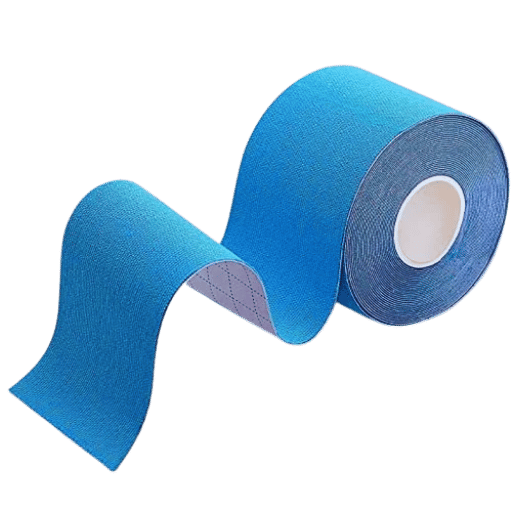
How Can Kinesio Tape Help Athletes?
For athletes, kinesiology tape has distinct advantages as it helps in achieving better performance, speedy recovery, and less chance of injury. One advantage is that it helps to support muscles and joints in a stable manner while allowing freedom of movement. It has been found that proper application of the tape enhances proprioceptive feedback, which enables improved limb and body movement control.
Also, the use of kinesiology tape improves circulation and lymphatic drainage, thus aiding the reduction of swelling and speeding up recovery from strenuous exercise or injuries. For example, some studies have noted that the mild lifting force produced by the tape can lower the burden placed on swollen or inflamed tissues, which enhances healing tissues and lowers pain.
Kinesiology tape also helps ease pain from repetitive movements for athletes. Clinically, it has been noted that patients suffering from tendinitis or muscle sick syndrome tend to respond better when combining rehabilitation effort with kinesiology tape application, thus supporting the concept of enhanced pain relief courtesy of the tape. This demonstrates its efficacy in both the prevention and management of injuries.
Lastly, its low weight and breathable construction make it easy for athletes to wear during multiple activities without experiencing any irritation. Kinesiology tape, on the other hand, proves to be highly flexible and accommodates athletes who want to enhance their performance while paying attention to their health in difficult sports situations.
Is Therapeutic Tape Effective for Muscle and Joint Support?
Indeed, I believe therapeutic taping can be beneficial for muscle and joint support when applied appropriately. Its structure enables it to provide certain levels of compression and support to specific regions, which can alleviate discomfort, improve stability, and enhance blood flow. Although it does not serve as a primary treatment, therapeutic taping works best as an adjunctive measure that complements proper rehabilitation and exercising, thus aiding recovery and performance in many people.
How to Use It at Home Safely and Effectively?

What Are the Best Practices for Tape Application?
Best practices for applying therapeutic tape should be followed to prevent misuse or injury. Listed below are the best practices to maximize its effectiveness:
Skin Cleansing and Preparation
Perform scrubbing to ensure the patient’s skin is clean, dry, and free of oils or lotion. The residue on the skin can block the pores of the tape, leading to loosening of adhesion. Minimizing the area to be shaved will also prevent injury while removing the tape.
Measuring and Cutting Tape
Tape should be cut to size using scissors and edges tapered. Rounded edges allow for better cohesion and also ensure the tape does not peel prematurely.
Application of Tape Without Overtensioning
The tape should not be stretched too much before putting it on. Too much tension can result in pain and skin damage as well as limitation of movement. When applying tape, the guidance of lightly stretching to 10-75% of tension depending on the intended therapy is a good rule of thumb.
Anchoring the Tape
As previously discussed, it is essential to stretch the ends, also referred to as anchors the ends” to achieve proper positioning. Zero stretch at the anchors guarantees movement, stabilizing the tape without loss of skin adhesion or irritation at the edges.
Active The Adhesive
To enable the adhesive post application, it is necessary to scrub the tape gently while applying some friction for a few seconds. This helps the tape bond strongly to the flexible surface.
Adhere to The Anatomical Procedures
Follow the procedure by applying the tape based on the anatomy and functionality of the joint or muscle. For instance, applying “I“, “X“, or “Y” letters can enhance muscle support, depending on the region being treated.
Observe Skin Reaction
If it is your first time using therapeutic tape, make sure you check for some form of skin irritation or redness after application. You must stop using the tape in case any adverse effects take place.
Reapply Whenever Necessary
Depending on the level of activity the user is engaged on, therapeutic tape can last up to 3-5 days. The tape should be substituted once it begins regaining less stickiness or shows signs of damage.
Seek A Professional When Unsure
Contact a health professional for guidance on intricate applications or particular injuries so that the intended technique and desired outcome can be achieved properly.
Per these guidelines therapeutic tape can be used safely by an individual who is willing to support their recovery, alter their performance, and uplift their wellbeing.
How to Remove the Tape Without Pain?
To avoid skin pain and irritation while removing the tape, adhere to the following steps:
Step 1: Dislodge Tab Ends
Loosely grab one edge of the tape and gently lift it. Form a small tab. Refrain from yanking too much since this could damage the skin.
Step 2: Apply Warm Water or Oil
Soften the adhesive with warm water, baby oil, or even specialized adhesive removers. Dab the liquid at the edges and give it some time, typically a few minutes.
Step 3: Peel Off Slowly
While peeling the tape off, hold the skin taut with one hand and take it off slowly in the direction of hair growth. To reduce discomfort, always pull the tape close to the skin.
Step 4: Soothe Skin
Post tape removal, cleanse the area with mild soap and water. Apply moisturizer or soothing lotion to keep away irritants, itchiness, or dryness.
These are simple yet effective steps for securing the painless and safe removal of the tape without causing distress to the skin.
Is There Scientific Evidence Supporting Kinesiology Tape?

What Does Research Say About Its Effectiveness in Reducing Pain?
The effectiveness of kinesiology tape in pain relieving remains an outstanding debate. A few studies indicate that the Kinesiology tape effectually alleviates pain in the short term, possibly by lifting the skin and creating space between the muscle and the tissue underneath. This, in turn, lessens the pressure on pain receptors and improves blood flow which harbors some level of causation. For instance, a randomized controlled trial in the Journal of Physiotherapy showed that chronic shoulder pain moderately improved their perceived pain levels after the application of kinesiology tape.
Moreover, kinesiology tape is frequently applied as a primary treatment in sports medicine and rehabilitation. A 2020 publication in BMC Musculoskeletal Disorders conducted a systematic review and concluded that although there may be short-term relief from musculoskeletal pain from kinesiology taping, it is no different from other forms of treatment, such as manual therapy or exercise therapy, without added physical aids. The researchers pointed out the psychosomatic impact of taping, claiming that the combination of tactile stimulation and perceived support helps bolster confidence to move augmented, especially in athletes recovering from injuries.
Regardless, some critics state that the evidence is not conclusive because of the differences in the study designs, identification methods, and demographics of the subject group. Even if the information supports some analgesic effects, the therapeutic benefits may depend on personal attributes like the degree of the injury and compliance with correct application instructions. In any case, there is a need for additional rigorous research to support or refute claims about the effectiveness of kinesiology tape, especially given that it does appear to have some value when integrated into broader treatment strategies.
Can Elastic Therapeutic Tape Improve Range of Motion?
Elastic therapeutic tape, commonly known as kinesiology tape, is highly popular in sports medicine and rehabilitation because it facilitates movement and recovery. Recent studies indicate that application of kinesiology tape can lead to improvement, albeit small, of range of motion (ROM) restrictions in musculoskeletal injuries. The mechanism of action of the tape involves skin lifting and subdermal space formation below the skin which could lower pressure, enhance lymphatic drainage, and diminish pain, thus freeing motion restrictions.
The impact of kinesiology tape on range of motion (ROM) has been studied in several clinical trials. A study on shoulder injuries showed that participants who incorporated kinesiology tape in their rehabilitation programs had statistically higher shoulder mobility when compared to those on standard care. Another study that involved ankle sprains showed that the application of elastic therapeutic tape markedly improved dorsiflexion range and decreased pain during movement.
Yet, the extent of ROM improvement might depend on application methods, the underlying condition being treated, and the responsiveness of the person to treatment. Although these results appear positive, scholars suggest that the synergistic effect of kinesiology tape with other modalities, like physical therapy and muscle strengthening, is necessary for best outcomes. More reliable studies are needed to create uniform recommendations for different conditions.
Frequently Asked Questions (FAQs)
Q: What is kinesiology tape, and what is the difference with ordinary athletic tape?
A: Kinesiology tape is a pliable type of tape that allows support to be given to the muscles and joints without movement restriction while ordinary athletic tape is stiff and used to immobilize or restrict movement.
Q: What happens when kinesiology tape is applied to the skin?
A: Kinesiology tape is applied to the area where the skin is meant to be lifted a bit as this aids in improving the blood circulation, the lymphatic circulation which helps in reduction of swelling and inflammation.
Q: What are the benefits of the physical activity performed with kinesiology tape?
A: The benefits of kinesiology tape includes support on muscles and joints that enhances the performance during the physical activity and helps in reduction of injury.
Q: Is it possible to use kinesiology tape for shoulder pain treatment?
A: Yes. Kinesiology tape can assist in shoulder pain by supporting and stabilizing the body around the area so the muscles can move through a better range of motion.
Q: What steps are followed to correctly apply the kinesiology tape?
A: For correct application of the tape, the area needs to be washed and dried first then the tape should be stretched before positioning the tape on the target area which should be smooth with no wrinkles.
Q: Is kinesiology tape used in physical therapy?
A: Absolutely, as part of a complete rehabilitation program, kinesiology tape is used to promote healing or improve function in physical therapy.
Q: What types of tape are available for different needs?
A: There are numerous types of sports tape such as kt tape and kinesio tex tape which have specific instructional guiding patterns and purposes for taping.
Q: Can kinesiology tape be used for knee osteoarthritis?
A: Kinesiology tape can be used for knee osteoarthritis to some extent to ease symptoms by providing a degree of support that mitigates pain while moving.
Q: How long can you wear kinesiology tape?
A: In most cases, the tape can be left on for a maximum of 3 to 5 days, which will depend on the individual sensitivity of the skin or level of activity while having a therapeutic benefit.
Q: Should I consult a professional before using kinesiology tape?
A: It makes sense to talk to a health care provider like a physical therapist or other trained professionals for the right application of kinesiology tape and health issues that you may have.
Reference Sources
1. The application of tape in the prevention and management of hypertrophic scarring: A clinical review.
- Author: S. O’Reilly et al.
- Journal: Scars, Burns & Healing
- Date of Publication: 2021-01-01
- Citation Token: (O’Reilly et al., 2021)
Overview:
- This review systematically assesses the use of tape in the clinical setting as a low-impact form of intervention for hypertrophic scars. The research focused on measuring the impact of non-stretch and high-stretch tapes on scars’ height, thickness, color, and other relevant features.
Major Accomplishments:
- Non-stretch tapes significantly improve scar itch, height, and color reduction.
- There is evidence that high-stretch tapes are useful in scar management during the wound healing process, specifically the remodeling phase.
- The primary conclusions of the review are that less control as well as more studies on the direct effects of taping are necessary alongside other treatments to comprehensively understand treatment outcomes.
2. A Randomized Cross-over Study On The Consequences Of Tape Sealing Face Masks On Visual Field Scores In The COVID-19 Era
- Authors: Astrid Heidinger et al.
- Journal: Journal of Glaucoma
- Publication Date: 2021-08-12
- Citation Token: (Heidinger et al., 2021, pp. 878–881)
Summary:
- This research examines tape sealing face masks for visual field testing to evaluate if it alters the results due to fogging artifacts.
Key Findings:
- Tape sealing enhanced visual field scores to a notable degree. Face mask fogging artifacts were not present.
- The study argues that tape sealing should be incorporated into surgical practices for better results in field vision tests.
3. Kinesiology tape: A descriptive survey of healthcare practitioners in the U.S.
- Authors: Scott W. Cheatham et al.
- Journal: International Journal of Sports Physical Therapy
- Publish Date: June 01, 2021
- Cite The Work: (Cheatham et al., 2021, pp. 778–796)
Overview:
- The purpose of this survey is to assess the level of understanding and use of kinesiology tape (KT) in clinical practice by various professionals within the healthcare system. It has specific objectives related to its use, beliefs regarding its effectiveness.
Important Results:
- A majority of the respondents indicated that they use it during rehabilitation after injury for pain relief and also for feedback in neuro-sensory treatment.
- The gap between research evidence and clinical practice is too wide and there is fundamental neglect of evidence-based practice in KT application.
4. Effect of Tape on Dynamic Postural Stability in Subjects with Chronic Ankle Instability
- Authors: R. de Ridder et al.
- Journal: International Journal of Sports Medicine
- Publication Date: 2015-02-09
- Citation Token: (Ridder et al., 2015, pp. 321–326)
Summary:
- This study analyzes the impact of taping on the postural control of foot and ankle movements in the transverse plane, considering the standpoint of dynamic equilibrium while executing landing from jumps in subjects with chronic ankle instability.
Key Findings:
- Subjective feelings of stability improved; however, taping did not lead to objective isometric stabilization of postural control changes in landing tasks.
- The results support the notion that although taping did not enhance objective stability, it is possible that a subjective benefit is obtained when control is tape.
5. The Antecedents, Consequences, and Key Determinants of Corporate Accelerators’ Success: A Systematic Literature Review
- Authors: Saeed Heshmati et al.
- Journal: SAGE Open
- Date of Publication: 2024-10-01
- Citation Token: (Heshmati et al., 2024)
Summary:
- This review sheds light on the innovation and entrepreneurial activities undertaken employing corporate accelerators while also attending to the innovation sustenance strategies termed “tape” from a business perspective.
Key Findings:
- Determines major defining factors for success of corporate accelerators as program design and dial external business communication linkages.
- Proposes that knowing these factors improves the effectiveness of accelerators in aiding startups.