Whether in construction or manufacturing, calculating reel capacity for cable and wire is critical in the efficient and accurate breakdown of costs. Accuracy in determining how much cable or wire can fit on a reel goes a long way in optimizing storage and transport, thus preventing needless sinkholes in budgets. In this post, we will take you through the steps of a reel capacity calculator, which is aimed at optimizing this work. This guide is tailored for large-scope installers as well as manageable project overseers. In any case, we hope that this information will be helpful in your decision-making processes. Keep reading to learn how to use this tool, its main points of consideration, and how to eliminate unnecessary expenditures.
What is a cable reel, and why is it important?
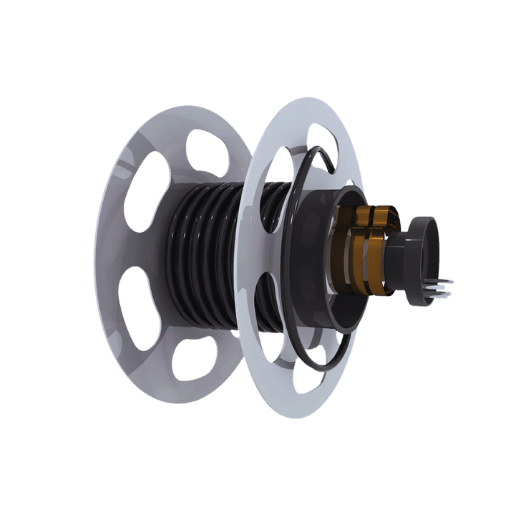
Cable reels are widely used to wind electric wires, cables and also for transport. Properly utilizing the strains helps protect the wires from tangling, external scratches, and snapping. This also enhances performance by lowering wear and tear on the wire or cable. Proper storage of wires and cables at any facility enhances durability during use.
Understanding the reel’s structure and purpose
A typical reel has three main parts: the core, flanges, and the drum. The core serves as the central shaft or axis around which cables are wound, which keeps the cable stable. Protecting the cable from slipping off are the circular parts called the flanges. The part where the cable is stored is the cylindrical surface that lies between the flanges, called the drum. All of these components aid in the proper management of the cable, enabling easy handling and reducing tangling for smooth transport.
Different types of cable reels and their uses
Reels have a central role to play in various industries as they aid in the proper management of cables. Custom requirements are made easy with the different wooden and steel designs available in the market. Here is a list of the various types of reels and how they might be beneficial for your specific purpose.
Wooden cable reels
Reels made of wood are common in the electrical, construction and telecommunication industries. Due to their ability to withstand heavy duty work, wooden reels can accommodate thick power or fiber optics cables. Wooden reels offer long-lasting value due to their low cost provided that proper storage conditions are met. While it is best to store these reels indoors, limited exposure to moisture makes them suitable for short outdoor use.
Steel Cable Reels
Iconic for their strength against deformation, steel cable reels are perfect for harsh environments. Unlike wooden reels, steel reels are made to withstand the rough handling that comes from industrial construction in the oil, gas and telecommunication sector. Not only are they weather resistant, but they are also reusable which is a major plus for long term construction projects. With steel reels, operational costs decrease dramatically due to their resistance to wear and tear and efficiency under stress.
Plastic Cable Reels
You can easily use plastic cable reels in any wiring or audio-visual setup. This is because they are lightweight and free of corrosion. They are quite popular in entertainment production as well since everything needs to be portable and move quickly. Modern plastic reels have also changed due to improved polymer technologies, which increase the load capacity while ensuring that the materials used are eco-friendly. For example, the materials used are recyclable.
Collapsible and Stackable Reels
These reels have the unique purpose of saving storage space, which makes them stack and collapse. Their usefulness is prominent in transportation and logistics as well. Event management, as well as any electrical setup that is temporary, can greatly benefit from these reel’s versatile design. They can be stored and transported efficiently, which helps in saving expenses related to shipping and warehousing.
Powered Cable Reels
Automation has been taken to another level with powered cable reels as they extend and retract cables automatically with motorized systems. They can be found in many places such as offshore drilling, mining and, military operations. This is because everything is time sensitive and needs to be done with great precision. Many studies have shown that these reels can greatly enhance operational workflow by reducing the manual labor needed, thereby improving safety when dealing with long, heavy cables.
Recognizing the resourcefulness of a particular type of reel helps an organization in resource management, safety, and cable preservation. The right selection of reel improves productivity and cost efficiency in industries.
Importance of reel capacity in cable management
Particularly for industries that deal with large-scale operations of heavy cables or hoses, managing cables and hoses effectively becomes crucial in terms of efficiency. Choosing a reel that is too small will lead to overheating machinery and will destroy the reel and the cable. Too big will add in additional costs too.
Recent industry studies show that properly sized reels help decrease the chances of overwinding, which is known to cause bending stress. This also reduces lifespan, increasing wear and tear, helping extend the cable’s life by approximately 30%. For instance, a standard heavy-duty industrial reel built for 500 feet long, 2-inch diameter cables helps exert up to 25% lesser tension compared to undersized alternatives, which helps prolong the life of the equipment. Some of the key factors that help calculate the capacity of the reel include the diameter and length of the cable as well as the working conditions like temperature, chemicals, and moisture.
The functionality of high-capacity reels is enhanced even further with the addition of modern automated winding technologies and new materials such as anti-corrosive alloys. These features maintain constant control of tension and minimize manual interaction, improving operational efficiency and worker safety. For optimal performance, cost reduction, and adherence to safety regulations, proper and advanced reels have to be integrated into cable management systems.
How do you determine how much cable fits on a reel?

Factors affecting cable reel capacity
Understanding a few crucial factors can help optimize the storage and performance of a cable reel.
Cable Diameter
One of the essential factors determining reel capacity is the overall diameter of the cable. Smaller diameter cables take up less space which allow for more length to be added per reel. For instance, a 10-millimeter diameter cable can comfortably fit around 200-300 meters on an 800 mm drum reel while a 20 mm diameter cable can only fit approximately 100-150 meters onto the same reel size.
Reel Dimensions
Storage capacity is directly affected by the dimensions of the reel, such as the drum core diameter, flange diameter, and width of the drum. They all directly determine the amount of storage that can be housed within. A wider drum means more space for multiple layers of cable, while larger flange diameters and greater drum diameters allow for more cable to be wound. Furthermore, assuming all other dimensions are constant, a reel with a 1,000 mm flange diameter will accommodate nearly double the cable compared to a 500 mm flange diameter reel.
Cable Flexibility and Construction
Cables of higher flexibility can be stored compactly while stiff cables take up more space due to per coil increase. Some reinforced cables and those with metallic shielding may already possess lower reel volume because of their bulky structural design, however, flexible cables may wind tighter. These rigid outer layers also require a larger bending radius.
Winding Technique
The technique used for storage, for instance, random or level winding, affects the reel space in utilizing efficiency. Random winding is often inefficient as there tend to be gaps in the coils, while level winding aids in uniformly distributing the cable layer by layer. Thus, advanced winding machines help in consistent spacing, and tension aid ensure proper reel loading, improving storage efficiency.
Spacers and Safety Margins
In order to prolong the life bicycle reels, the NEMA association has certain standards that allocate space between the edges of the reel and cable layers. For instance, cables are advised to have a minimum clearance of 2 to 3 inches between the flange and layer to avoid damage. These also take into account weight distribution, torque, and other factors that prevent damage to the cable.
Grasping the combination of these factors makes it possible to plan meticulously and choose reels for particular applications. Proper alignment of reel size and cable type not only guarantees optimal storage but also preserves the cable’s longevity by preventing slack and excessive stress.
Using a reel capacity calculator efficiently
In order to fully utilize a reel capacity calculator, the parameters relevant to the specific use case need to be accurately set first. This usually involves the cable’s diameter, reel width, and flange heights. As an example, the calculator should be able to determine the maximum footage a reel can efficiently accommodate when calculating the reel capacity for a standard cable with a diameter of 0.75 inches and a reel width of 24 inches.
Modern cable reel calculators account for additional parameters like pour ratios which maintain a minimum clearance so overpacking does not occur. Most industry experts recommend that the fill capacity, which is used to pump fluid into the vessel, should be maintained between 80%-90% to avoid compromising cable integrity. Take, for example, a reel with a total volume of 5.8 cubic feet; an 85% fill ratio would allow approximately 4.93 cubic feet of usable space for storing cable safely.
Also, multi-layer winding calculations on more sophisticated calculators considering the layered stacking configuration of the cables is supported. This functionality ensures that whosoever uses the cables with greater bend radii and special insulation requirements can simulate the real-world results. Employing these tools increases operational efficiency when planning transport and storage logistics while reducing damage to the materials.
What are the industry standards for cable reels?

Standard dimensions and specifications
Cable reels are made to comply with national and international standards to guarantee proper function and interoperability within different industries. Parameters such as reel diameter, drum diameter, and overall width are structured considering the type and capacity of cable the reel is designed to accommodate.
Reel Diameter And Width
Depending on their use, reels are between 20 inches (508 mm) and more than 120 inches (3,048 mm) in diameter. Standard widths also differ between 10 inches (254 mm) and above to cater for various lengths and thicknesses of cables.
Drum Diameter
Drum diameter is designated the inner core of the reel and serves the function of preventing overbending of the cable. For most electrical cables, this diameter must not be less than 10-15 times the out diameter of the cable in order to meet standards set by NEC or IEC regarding bending radius.
Material Specification
Most reels are made using steel, wood, or hard plastic materials. For heavy duty applications, steel reels are the most used due to their strength and repeat usability, while wooden reels are used for one-time shipping use. Plastic reels are resistant to corrosion and moisture, thus protecting them from adverse environmental changes.
Load Capacity
Depending on the material and construction, reels are rated with specific load capacities, which are usually between a few hundred pounds to several thousand pounds. These ratings maintain within proper handling limits of the structural tolerances.
Coating and Treatment
Reels may incorporate protective coatings that improve life and resist environmental attack, such as galvanization for steel or varnish for wooden models, which increases static and dynamic corrosion as well as weathering resistance.
These standards enable the manufacturer and the user to maximize operations while ensuring safety, durability, and compatibility in several activities related to cable storage, transport, and operation across multiple disciplines.
Compliance with industry regulations
Following industry standards ensures that cable reels do not pose safety, environmental, or operational issues for both the manufacturer and the end user. On a global scale, ISO 9001 for Quality Management Systems and ANSI standards for safety and operational uniformity are minimal requirements when it comes to production and testing. An example would be OSHA guidelines for the safe use, storage, and management of cables, which must be followed by electrical cable reels.
Non-hazardous materials must be used for reel production because of compliance with REACH regulations in the EU. Reports indicate that roughly 80% of manufacturers all over the world adopt ISO production standards to efficiently interact with international supply chains and operational systems. Compliance with these standards improves product life and safety for the user while also strengthening compliance with environmental and sustainability policies, which is becoming increasingly important in global industries.
How to choose the right wooden cable reels for your needs?

Assessing cable diameter and drum capacity
While analyzing the drum capacity and the diameter of the cable, I paid attention to two aspects. Firstly, from the overall cable diameter, I ascertain the necessary drum dimensions. I make certain that the drum offers sufficient space for winding and storing the cable. Secondly, I ascertain the total length of the cable to make sure that the total length aligns with the drum’s capacity, considering the ease of use and operational efficiency.
Considering flange diameter and traverse
When identifying the correct flange diameter, it is important to note that the drum design should allow for the full winding capacity of the cable without excessive bending stress. To avoid damage and structural integrity concerns during the winding and storing processes, the flange diameter must be 20 times the cable diameter at minimum. For instance, a cable with a 15 mm overall diameter will nominally require a flange diameter of 300 mm.
Having precise calculations on the traverse, also known as the horizontal distance covered during cable winding, determines the efficiency and uniformity of the cabling on the drum. This means the traverse length must match the cable diameter and drum width to avoid overlaps or even worse, inefficient distribution that can cripple operational functionality. Cleary defined industry standards outline that the spacing should be flexible enough to withstand smooth windings while eliminating slack or tension. Optimized configuration of both the flange diameter and traverse guarantees heightened system reliability and increased operational value of the cable.
Tips for finding a reliable supplier
Evaluate Customer Feedback and Work Experience
A potential supplier’s reputation within the industry is an important determinant of its reliability. Search for suppliers with a good industry reputation, where it seems they have been operating for years and have a good number of clients who give commendable testimonials. For instance, suppliers who have more than 5-10 years in the field tend to be more stable, seem to be more able to handle complex requirements.
Check Certifications and Industry Standards
Confirm that the supplier follows the relevant practices of the industry and possesses necessary certifications, such as ISO 9001 for quality management. Compliance with environmental and safety regulations is also necessary because that indicates their commitment towards operational excellence and sustainability.
Examine Product Components Quality
Check out their product portfolio to make sure that the suppliers provide materials or components of high grade that fulfill the provided specifications. Good suppliers provide warranties or guarantees on their products which is a good indication that they trust their supplied products.
Analyze the supplier’s logistics and supply chain frameworks together with their inventory control systems. Monitor their delivery timelines, inventory management policies, and unexpected demand surge control mechanisms. Suppliers who have sophisticated tracking devices and efficient inventory processes are more likely to give continuous services.
Compare Pricing and Transparency
It’s best not to go for substandard prices that could impact quality when seeking value for money. The supplier must provide an easily understandable pricing framework with well-defined cost components to support effective planning and budgeting by minimizing hidden costs.
Monitor Responsiveness and Communication
Every role within the partnership must maintain amicable, yet clear lines of communication. When considering the supplier, monitor how quickly they respond to questions, their readiness to interact, and how they manage issues as they arise. Such suppliers can be helpful in ensuring that business operations run efficiently and effectively.
Check References and Reviews
Find out from current customers what their views are about the supplier to gather pertinent information about the services offered by the supplier. Customer feedback is accessible through reviews and ratings, feedback is beneficial when looking into both customer satisfaction and aspects of trustworthiness.
Consider Technological Integration
Preferred suppliers likely have modern technology tools such as ERP systems or online order tracking that increase efficiency. Working with innovative suppliers can make things easier and communication smoother in both directions.
Addressing all these aspects allows businesses to find and maintain the right suppliers that match their operational requirements, enabling optimal strategic formulation and strengthening the supply chain.
What precautions should be taken to prevent cable damage?
Understanding clearance and winding techniques
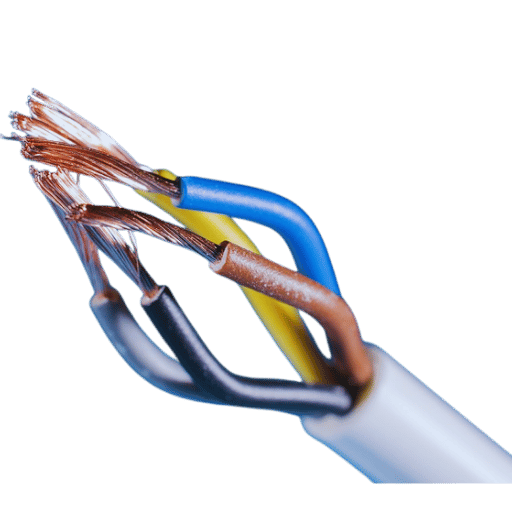
Cable impairment due to insufficient clearance and winding practices is a common occurrence, and it poses a threat to operational efficiency and safety. Proper clearance from cables to other moving elements and astructure is essential in mitigating abrasion, overheating, and mechanical stress of the constituents. Other local standards, along with the NEC, recommend a range of 1” to 2” for low voltage cables and considerably larger distances for high voltage applications as clearance distance.
For transporting or storing cables, proper winding techniques such as coiling and figure eight should be observed to maintain cable integrity. During the winding process, attaching cables too tightly or twisting them will result in damage of the internal conductors and insulation wear. Also, the use of heavy duty reels and spooling equipment will aid in achieving proper winding and reduction of tensile stress.
Recently, automated winding devices and smart monitors for real time cable management have been developed. Systems that actively track bending stress, tension, and alignment provide real time maintenance data which has been proven to decrease cable failure by 35%. The application of such tools improves the operational reliability and expands the lifespan of electrical systems or infrastructures.
Ensuring proper insulation and bend radius
Following the recommended insulation guidelines and bend radius is necessary to maintain the integrity of cables and prolong the life of electrical systems. Cables need to be insulated to be shielded from moisture, heat, and physical impacts and also to avoid short circuits and electrical leakage. For example, thermoplastic cables such as PVC or cross-linked polyethylene (XLPE) can withstand high temperatures, with XLPE enduring 90°C and PVC withstanding 70°C under normal operating conditions. Having the right insulation material based on operational requirements is crucial for superior performance.
Also, the correct bend radius must be maintained to prevent mechanical stress, which could harm conductors or crack the insulation. Depending on the type and application of the cable, industry standards suggest a minimum bend radius to be between 4 to 12 times the outer diameter of the cable. These constraints are necessary because going beyond them can reduce current-carrying capacity and increase the risk of failure. 20% of a cable’s efficiency can be compromised over time from improper installation bends. It is important to follow the recommendations made by manufacturers regarding insulation quality and bend radius to ensure safety, compliance, and long-lasting reliability in electrical systems.
Maintaining total working drum capacity
Preserving maximum working drum capacity helps the equipment operate mechanically efficiently and increases its useful life. A drum’s total working capacity is influenced by the type of cable, dimensions of the drum, and winding technique employed. Studies have shown that improper spooling, inadequate tensioning, or poor management of cable processes can decrease capacity by up to 30%. This reduces capacity, heightening inequalities in wear or the risk of damaging the cable.
Industry regulations suggest, for optimizing capacity, that the gap from the drum flange during winding is at least 1.5 to 2 cable diameters. Proper calibration of tension is also paramount; excessive tension can lead to deformation of the cable layer, while too little increases the chance of loose wraps that may tangle or interfere with other layers. For instance, steel wire ropes should be wound with consistent back-tension to strengthen the frame and reduce gaps between coils.
Operative tension control can be enhanced with contemporary technologies, including digital feedback and load sensors, which monitor cable spool and unwind to assure precision. Following guidelines such as these helps operators retain desired levels of efficiency in capacity while managing strain on the equipment, which promotes an increase in its lifecycle.
Frequently Asked Questions (FAQs)

Q: What is a reel capacity calculator, and what does it do?
A: A reel capacity calculator is a device that helps estimate the quantity of wire or cable that can be stored on a spool or reel. It considers the diameter of the wire, the measurements of the reel, and the total volume of the drum to determine the optimal working capacity of the reel’s wire or cable.
Q: Where do I find the diameter of the cable for the calculations?
A: The diameter is usually indicated on the specification document that accompanies the cable or is labeled on the cable itself. It is important to determine the diameter accurately since it has to be placed on the spool or reel.
Q: Can I use the reel calculator on any type of wire or cable?
A: A reel calculator can indeed be utilized on various types of wires and cables as steel wire or electrical conductors. The only requirement is that the measurements of the diameter of the wire and the reel’s dimensions should be accurate.
Q: In what way can I get the measurements of a spool or cable drum?
A: In order to measure a spool or cable drum, it is important to obtain the diameter and width of the drum, together with the diameter of the core of the drum (drum core diameter). These measurements are needed to consider the total drum capacity.
Q: What materials are likely to be used in making spools and drums of cable?
A: Materials such as plywood, steel, and plastic are often used in the construction of spools and cable drums. The material selected will have an impact on the strength and weight of the spool, which are critical in the handling and storing of the cable.
Q: For what reason is knowing the suggested working load on a reel so important?
A: Knowing the recommended working capacity guarantees that a cable or wire will be stored in a manner that does not overload the system, which may result in difficulties during unwinding, leading to damage.
Q: What is the best way to calculate the cable length that can fit on a spool?
A: Input the cable diameter, spool measurements, and cable jacket thickness into a reel capacity calculator to determine the maximum length that can be fitted onto the given spool. The calculation is useful in estimating the length of wire or cable that can be fitted onto the spool.
Q: Why is it beneficial to use a reel when storing cable?
A: A reel will assist in the orderly storage and transportation of cable rolls, in classifying other wire and cable types, and in protecting them against tangling and damage. This also helps in the effective deployment and handling of cables.
Q: In what way does the spool weight impact its usage?
A: In terms of portability and easy handling, the weight of the spool is crucial. For instance, the lighter spools can be handled and transported more easily, while the heavier ones tend to be more stable, which is suitable if mounted with larger or heavier rolls of cable.
Reference Sources
1. Marine Towed Bodies Motion Compensation and Controller Design
- Authors: Clark Calnan, R. Bauer, and R. Irani.
- Published: 2016
- Summary: The research problem deals with vessels towing submerged bodies and the problems surface motions induce. It proposes some control techniques related to the winch control which may help mitigate these disturbances. The examined control strategies show that with appropriate sensors, the winch operations can be automated; this increases the dynamics of the winch which can be relevant in practical applications (Calnan et al., 2016, pp 1-9).
2. Parallel Genetic Algorithm For Design of Morphing Cellular Truss Structures
- Author: Deepak S. Ramrakhyani et al.
- Published: 2005
- Summary: This work designs parallel genetic algorithms for morphing structures design, which can include cable systems. The research attempts to optimize the structural layout of shapeshifting trusses, which may aid in a better understanding of cable management and deployment in active systems. (Ramrakhyani et al., 2005, pp. 401-410).
3. Formal and Informal Support and the Performance of New Start-Ups: A Quantile Regression Analysis
- Authors: Tomohiro Sakai, M. Fukushige
- Published: 2021
- Summary: This paper may not directly deal with cable management, but it assesses the various performances of start-ups as well as support system evaluation. The operational structure of start-ups not only tells how resources are acquired but also their physical resources such as cables and how they are managed(Sakai & Fukushige, 2021)”.