Armored and standard cables are often highlighted and chosen from many electric cables. Armored cables are usually perceived as regular cables with additional features, thus increasing their level of safety and access to a range of deployments. However, the application and benefits differ significantly. Not understanding these differences while planning an electrical installation can lead to poor decisions. This holds for residential setups, industrial projects, and even under-construction large-scale systems with complex infrastructure. This article targets the difference between armored and regular cables and will analyze their construction, advantages, applications, and other salient features. Understanding these differences can help you make the right choice for your needs.
What is an Armored Cable?
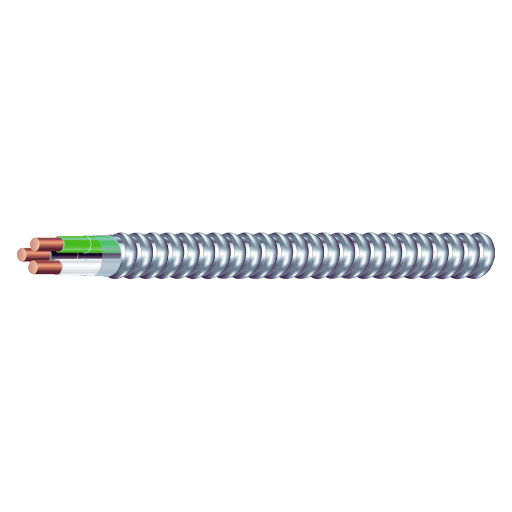
An armored cable is a solicited cable with metal protection on its insulation. This protective layer distinguishes armored cables from unarmored cables. This shield equipment ensures additional protection and guards the cable against mechanical injuries, water, and other physical aspects. For outdoor, underground, and industrial purposes, armored cables ensure safety, reliable monitoring, and data transfer. They are ideal for harsh environments needing durability. These cables ensure safe power transmission.
Structure of the Cable
An armored cable is built with these components:
- Conductor: This is the primary part that contains the electricity and is generally constructed from either copper or aluminum.
- Insulation: An electrically non-conductive material layer envelopes the conductor to keep the electrical current contained and safely managed.
- Armor Ring: This section is made of solid steel or aluminum, which protects the cable from damage from physical activity and environmental exposure.
- Outer Sheath: Usually composed of resilient plastic, this is the last layer to be placed around the home. It adds protection from water, chemicals, and scratches.
Benefits of Using Armored Cable
- Enhanced Durability: The armored layer provides superior physical damage protection, making it suitable for harsh environments.
- Improved Safety: The robust design protects the internal conductor from external interference or damage, lowering the risk of electrical hazards.
- Resistance to Environmental Factors: Armored cables resist moisture, chemicals, and abrasion, ensuring reliable performance under challenging conditions.
- Versatile Applications: These cables are ideal for industry and commercial use since they can be used indoors and outdoors.
- Reduced Maintenance Costs: Their strong construction causes less damage, which reduces repair, replacement, and maintenance costs over time.
When to Use Armored Cable?
Armored cable must be utilized when additional protection is necessary for the safety and performance requirements. This covers installations in locations subject to impacts, wet conditions, corrosives, or extreme temperatures. It is particularly suitable for use in industrial environments, underground installations, and outdoor applications and unsuitable for standard cables. Also, armored wires are best suited to applications where rigid safety regulations mandate their use.
How Does a Normal Cable Differ from an Armored Cable?

Cable vs. Ordinary Cable: Key Differences
Armored cables’ construction methods and applications differ from those of ordinary cables. Armored cables have an additional protective layer, usually metal, whereby the cable’s internal conductors are protected from moisture and other environmental hazards by physical damage. This makes armored cables more durable and robust in high-risk or harsh environments. Ordinary wires, in contrast, do not have the additional protective layer and are designed for use in controlled environments with minimal external stress. Armored cables are designed to ensure compliance with safety regulations and enduring performance in harsh environments, whereas unarmored wires do not provide such features.
Difference Between Armored and Non-Armored Cable
- Protective Layer: Armored cables come with an extra cover, usually aluminum or steel, protecting the cable from environmental strains and physical damage. Non-armored wires do not have this protection, making them prone to external threats.
- Usage Environments: Armored cables are designed to withstand extreme mechanical, moisture, and rodent attacks. Non-armored wires are meant for indoor settings with less challenging and lower risks.
- Durability: Because of the protective layer, armored cables are more challenging and wear-resistant than non-armored cables, making them ideal for harsh conditions. Non-armored cables have a more delicate structure and are best used in low-impact settings.
- Compliance and Safety: Due to their construction, armored cables offer higher-standard mechanical endurance and environmental resistance. Using non-armored cables means the setting does not require stringent protocols.
Why Choose Armored Cables Instead of Unarmoured?
Armored cables are the most suitable option in settings with the most concern for protection, safety, environmental resilience, and durability. Because of their construction, they bear additional protection from physical damage, which makes them ideal for severe or high-risk locations like industrial or outdoor sites. Armored cables also bear additional protection from moisture, chemicals, and mechanical stress, guaranteeing their reliability over time. Unarmored cables are more prone to damage and are more suited for controlled environments with little exposure to the public and outside threats. Fortified cables are the most dependable option for applications requiring sustained integrity alongside safety standards.
What are the Types of Electrical Cable?

Understanding Power Cable Types
Power cables are generally classified according to their application and structure. The major classifications include low voltage, medium voltage, and high voltage cables, which have their distinct functions in electrical systems about the power requirements in wiring and cabling. For example, low-voltage wires are used in residential and commercial settings to power appliances and illuminate. Medium voltage cables are used in industrial and utility to transmit energy over moderate distance motors and showcase the mechanical strength of the cable. Energy transmission systems use high-voltage cables to carry electricity over large distances from power plants to substations. Each type is tailored to different voltage levels and varying conditions to ensure that the safety and efficiency of power delivery are not compromised at any time.
Exploring Control Cable Varieties
Control cables play a significant role in effectively functioning automated systems and industrial equipment as they relay control signals and information between machine components. These wires are fabricated to ensure reliability and maintain desired standards in rigorous conditions. Depending on their use, they can differ in construction, materials used, and functions provided.
One widely used type includes PVC (Polyvinyl Chloride) insulated control cables, which are relatively inexpensive, highly resistant, and mechanically robust for low-constant applications. Because of their flexibility and strength, PUR (polyurethane) insulated control cables are often used for control cables subjected to extreme temperatures, oil, or chemicals. Another critical type includes shielded control cables, which protect from electromagnetic interference (EMI) and maintain signal integrity in noisy electrically active environments.
Control cables come with varying numbers of cores and sizes, enabling applications from simple signal reception to intricate multi-channel systems. For instance, multi-core control cables find wide applications in machines needing simultaneous multi-function operations. These cables also have internationally accepted frameworks, such as IEC 60227 and IEC 60332, which provide safety, flame resistance, and performance to ensure reliability for the end users.
Developments in control cable technology now incorporate new sustainable manufacturing processes and eco-friendly materials focused on achieving sustainability without sacrificing performance. These cables form the backbone of contemporary automation, highlighting the need to accommodate a specific system’s operational and ecological requirements in the selection process.
Armored Cable vs. Unarmoured Cable: What’s the Difference?
Armored cables and unarmoured cables differ chiefly in construction and use. Armored cables specifically have an extra layer of steel or aluminum placed around the core conductors. This armor increases resistance to mechanical damage, making it the appropriate choice for protective, harsh external conditions like industrial settings and underground installations.
In contrast, unarmoured cables lack the protective layer, making them best suited for safer and low-risk environments. Although protective routing and external shielding are vital for reliability, unarmoured cables are more straightforward to install due to their lightweight and flexible structure. This comparison shows that the type of armored devices significantly chosen affects performance, and operational and environmental needs will dictate the best option.
Why Use Armored Cable Instead of Unarmoured?
Protecting the Cable from Damage
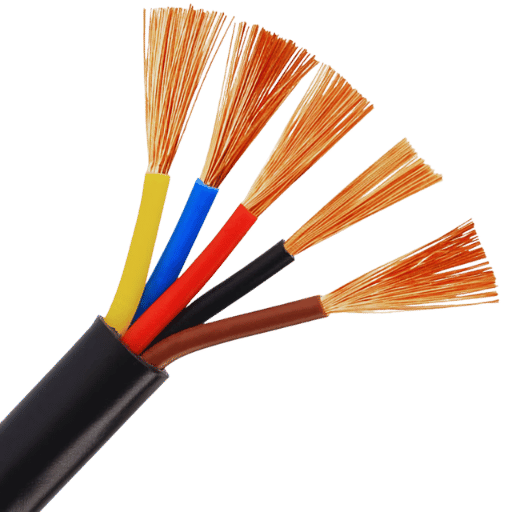
The primary purpose of armored cables is to provide enhanced resistance to physical damage. Their strong outer shield safeguards the internal conductors from impacts, slashing, and abrasion during installation or in harsh working environments. This makes them an ideal candidate for applications subjected to severe machinery, rodents, or extreme temperatures. In contrast, unarmored cables do not have inherent protection and are more susceptible to damage, leading to additional measures being taken to preserve their structural integrity. Utilizing armored cables reduces the likelihood of failure, optimizing dependability and durability when performing in harsh conditions.
How Does the Armored Cable Provide Mechanical Protection?
Mechanical protection is enabled by armored cables that are constructed with various strands of strong materials. Usually, the cable design contains a steel or aluminum armor layer, which protects the internal conductors from being crushed, impacted, or abraded externally. This armor layer is essential in applications where cables are subjected to severe equipment, vehicle traffic, or other harsh installation conditions.
The alloy steel or aluminum armor is put under tensile stress, limiting the conductor’s deformation or failure. It has been proven that impact forces of up to 2000 Joules for steel armored cables are sustainable for various product constructions and standards. Armored cables also withstand other hostile conditions, like being munched by rodents or soil pressure when underground.
Armored cables are certified for exceptional mechanical protection and fire resistance under IEC 60502 and NEC standards for hazardous and industrial environments. This assures reliable performance during extended operational periods, even under harsh conditions. The advanced protective features incorporated enhance the operational efficiency, safety, and sustained durability of armored cables.
Preventing Mechanical Damage with Armored Cable
An armored cable consists of internal conductors protected from impacts or abrasion by a protective layer, usually steel or aluminum. Such a construction offers substantial protection in cables subjected to physical stress, ensuring the cable’s longevity and performance. Armored cables improve the safety and reliability of electrical systems by reducing the risk of critical damage, which can be harmful.
How to Identify Armored Cable and Non-Armored Cable?

Recognizing the Structure of the Cable
The armored cables come with an extra protection layer, usually a metal sheath of aluminum or steel enclosing the inner conductors. This layer is often robust and might be corrugated or smooth, depending on the design of the cable. This protective layer is absent for non-armored cables and is usually surrounded by plastic insulation, making them more flexible but less damage-resistant. Looking at the outer sheath, it is easy to identify the kind of cable, either armored or non-armored.
What Makes Armored Cable Different from Unarmored?
The construction and strength of an armored and unarmored cable differ significantly. Armored cables possess protective metal sheaths that prevent moisture and environmental damage inflicted on the inner conductors. This enhances their practical application to areas with considerable mechanical stress or harsh conditions. On the other hand, unarmored cables do not have metal sheaths; instead, they rely only on plastic insulation. While this makes them lighter and allows for more flexibility, it also makes them poorly suited for harsh conditions, unlike controlled coolant indoor settings.
Key Features of Armored Fiber and Normal Cable
Key Features of Armored Fiber
- Durability: Armored fiber cables have a metallic outer casing, which gives them greater resistance to physical impacts, such as rodent crushing and biting.
- Environmental Protection: They are designed to withstand rigorous environments, including moisture, corrosion, and even temperature changes.
- Application: Best suited for outdoor or industrial settings where mechanical stress is frequently encountered.
Key Features of Normal Cable
- Flexibility: Normal cables are lighter, softer, and more flexible, making them easy to use in controlled environments.
- Cost-Effective: They are less expensive than armored cables because they lack an additional metal layer.
- Application: This cable is best when minimal reliability and safety are needed. It is used mostly in secured indoor locations sheltered from physical and environmental threats.
Frequently Asked Questions (FAQs)
Q: What distinguishes armored cable from unarmored cable?
A: Armored cables are designed with more excellent protection than unarmored cables. An armored cable, for example, incorporates an additional layer of metal that protects against mechanical damage. Such features are not present in unarmored wires, making them susceptible to damage in harsh environments.
Q: Why would one prefer armored cables over unarmored cables?
A: Unarmored cables offer little to no protection, so they should be used only in low-risk environments. However, armored cables provide protection against environmental hazards, physical damage, and power transmission issues. They are used in places with demanding conditions, so one would prefer armored cables over unarmored ones.
Q: Please summarize what armored cables are.
A: Armored cables are made by coating wires with layers of steel wire or strips. These additions prevent moisture from entering and damaging the wire, making armored cables more robust to stretching, pulling, and other physical acts.
Q: What are the pros of using armored cables for power transmission?
A: The boosted mechanical strength offered by armored cables minimizes power transmission problems. They safeguard from environmental and physical damage, ensuring consistent functionality even under severe conditions. Hence, they are suitable for industrial use or underground cables.
Q: What is the difference in cost between armored cables and unarmored cables?
A: Because of the extra protective covering, armored cables are more expensive than unarmored cables. Nonetheless, the added protection and durability justify the expense in places where mechanical damage is a concern, especially when the cable is exposed.
Q: Are there particular environments where armored cables are predominantly used?
A: Yes, they are primarily used in areas where more resistance to mechanical and environmental forces is needed, such as industrial regions, underground installations, and other regions that have high moisture exposure or physical impact.
Q: What distinguishes an armored fiber cable from a standard fiber optic cable?
A: Unlike a standard fiber optic cable, an armored fiber cable has additional steel wire or Kevlar protection. This extra protective layer allows it to function reliably in varying conditions, confirming its distinctiveness.
Q: What is the purpose of the ground wire for armored cables?
A: Cables with armored casings include a ground wire, strengthening the installation’s mechanical structure. This increases safety by offering a different route for electrical supply, preventing electrical failure, and helping to avert trouble in power transmission.
Q: Why do unarmored cables cost less than fiber armored cables?
A: Unarmored cables lack an additional protective layer, which is the key reason they are cheaper. While these cables are more affordable to manufacture, their lack of durability and protection renders them more susceptible to damage, which is desirable in less demanding settings.