Spiral cable wraps are flexible and multifunctional devices that manage and secure cables in diverse industries. From protecting necessary electrical cabling in industrial equipment to providing orderly organization within and around offices, this innovation serves all purposes, with efficiency and safety level being a priority. The product is designed to adapt to many shapes, diameters, and lengths of cables, making it the best option for mechanical places with variable cable positioning and routing. In this text, we will discuss the most notable features, advantages, and applications of cable wrap that justify why it is still among the best in the eyes of specialists looking for dependable cable management systems. If you need a solution to mitigate or eliminate workplace risks, ease maintenance tasks, or enhance the beauty of an area, a spiral cable wrap is the answer you need.
What is a Spiral Cable and How Does it Work?
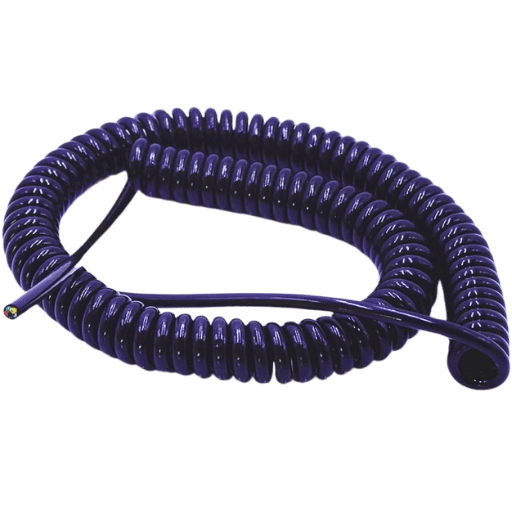
Cable wraps, often spiral cables, are tools used to organize and manage cables efficiently in various areas due to their flexible and durable nature. They make it easier to manage multiple cables by binding them into a single flexible bundle that allows for movement. Polyethylene and nylon are the materials from which spiral cable wraps are made. Those materials give spiral cable wraps resistance to wear and environmental factors, ensuring long-term cable protection. They are widely used in workplaces, industrial settings, and home offices to mitigate cable damage and tangling and improve safety. This simple yet effective solution enhances wire organization and extends their lifespan by protecting them from external stress and abrasion.
Understanding the Basics of Spiral Cable
Spiral cables, also known as coiled cables, are meant to be elongated and contracted without changing their shape. These cables are primarily used in fields that demand flexibility and offer flexibility, such as telecommunication, automotive, and industrial machinery. Their coiled shape aids in controlling the surplus loop of cable and helps prevent entanglement whilst allowing for some freedom of movement regardless of function. Spiral cables are rugged and can endure repeatedly stretching and bending; thus, they are suited to dynamic changing environments. For proper electrical performance and safety, they are built of insulated conductors.
The Functionality of Spiral Cable Wrap
Spiral cable wrap is an effective device for organizing and safeguarding cables and cords. Its most important feature is its ability to bundle several cables, minimizing mess while enhancing safety by ensuring that wires do not become a tripping hazard or get damaged. The stirrup allows cables freedom of movement; nonetheless, cables will remain organized. In addition, it protects cables from being damaged due to rubbing, friction, exposure, and other elemental forces, thereby ensuring sustained reliability in performance across a wide range of applications.
Where Are Spiral Cables Commonly Used?
Spiral cables are ubiquitous in industry sectors where versatility is a fundamental requirement, like telecommunications, medical devices, automotive systems, and industrial machinery. Their elasticity makes them well-suited for loading and unloading equipment such as telephone handsets, diagnostic tools, and robotics, as they can stretch and retract in an orderly fashion while maintaining their structure. Moreover, these cables can withstand stretch and retraction, making them suitable for telephone handsets, diagnostic tools, and robotics.
How to Choose the Right Spiral Cable Wrap?

Key Factors to Consider When Selecting
- Material Durability: To avoid premature spiral wrap failure, the wrap must be made of a material including but not limited to Polyethylene or thermoplastic elastomers, as these materials offer resistance to abrasion and improve durability.
- Size Compatibility: The length and diameter of the wrap should accommodate that of the cable bundle to guarantee retention whilst maintaining flexibility.
- Environmental Resistance: The cable wrap features must include UV, chemical, or extreme temperature resistance for cable bundling in harsh environments.
- Application Requirements: Consider the specific design for movement, such as static installations, and adjust the wrap design appropriately.
- Ease of Installation: The wraps’ design should be user-friendly so they can be quickly installed or adjusted with little to no tools.
Understanding Different Materials and Their Applications
A material selection impacts a wrap’s performance, durability, and environmental applicability within operational parameters. Some of the more common materials include:
- Polyvinyl Chloride (PVC): Due to their flexibility and durability, PVC wraps are particularly useful for general purposes like electrical insulation and cable management.
- Silicone: High-temperature and strong chemical-resistant silicone wraps are best suited for industrial and high-heat applications.
- Polyethylene (PE): PE wraps are moisture-resistant and light in weight, so they are commonly used in water-protective and low-weight insulating applications.
- Rubber: Rubber wraps are ideal for constant movement or vibration due to their elasticity and abrasion resistance.
Using the right material will enhance efficiency and durability in the intended application, thus avoiding premature damage and ensuring dependability.
Comparing Diameter Options for Various Uses
Appropriate selection for comparing diameter options depends entirely on the specific application’s demands. In industrial piping or cable insulation, larger diameters are more suitable for harsher cases requiring freedom of movement, flexible load distribution, or more excellent volumetric transfer. On the other hand, finer wire wraps with smaller diameters are more appropriate for cases with limited space concerning precision, such as the wiring of electronic circuits or medical tubing. Tailoring the diameter selection enables constructive purpose across various applications while performing as intended, reducing material consumption and waste, and preserving structural or functional integrity.
How is Spiral Cable Wrap Installed?

Step-by-Step Installation Guide
- Prepare the Cables: Collect all cables that need to be bundled, ensuring they are clean and untangled. Arrange them in the desired order.
- Measure and Cut the Spiral Wrap: Measure the length of the cables to determine the length of the spiral cable wrap. Cut to size using scissors or your choice of cutting tool.
- Insert the Cables: Begin by inserting the cables into the spiral wrap’s opening. Using one hand, hold the wrap open and guide the wires into place with the other hand.
- Wrap the Spiral Around the Cables: Begin at an end and twist the spiral to wrap the entire length of the cables. Lose the wrap while encasing the wires to avoid putting them under force.
- Secure the Ends (If Necessary): If some extent of resistance is required, secure the edges of the spiral wrap with cable ties or straps of choice.
- Perform Final Adjustments: Inspect the bundled cables and ensure their arrangement is correct, with even distribution with the wrap. If not, make changes until you find it satisfying.
Common Tools Required for Installation
- Cable Ties: Employed to fasten wires and maintain neat bundle arrangements.
- Spiral Wrap: Important for the successful encapsulation and organization of wires.
- Scissors or Cable Cutters: Serves to cut zip ties or any other wrapping that is deemed superfluous.
- Measuring Tape: Aiding in checking that the correct amount of wire wrap is applied.
- Utility Knife: If needed, to accurately section off the wrap material.
Tips for Ensuring a Secure Fit
- Choose the Correct Size: The cable wrap should be suitable for the bundle, neither too loose nor too tight.
- Wrap Evenly: Ensure that you have applied consistent tension while winding the cable wrap to avoid gaps within it.
- Secure with Cable Ties: Use cable ties to maintain the position of the wrap at certain intervals to enhance strength and further secure the wrap.
- Trim Excess Material: To improve aesthetics cut off excess wire wrap or tie ends, which tend to create clutter.
- Inspect Regularly: Consistently check the strap for signs of damage or loosening and make adjustments if necessary.
Benefits of Using Spiral Cable Wrap

Improving Safety and Organization
Spiral cable wraps reduce cable clutter and potential hazards, improving safety and increasing organizational efficiency. Loose or tangled cables pose risks not only as trip hazards but also as negligent disconnections or damage to equipment. Putting cables in spiral wraps drastically cuts these risks because they keeps the workspace clean and orderly.
Not following OSHA guidelines puts the workplace in grave danger, and proper cable management is the principal way to prevent slips and falls. They also claim that being tidy boosts productivity by as much as 20%, eliminating time spent trying to locate misplaced equipment or tangled cables.
Cables impact not only the workplace but also the systems in place. Keeping wires orderly reduces electromagnetic interference (EMI), which is important for data transmission in IT and telecommunication systems. Precise and speedy communication systems elevate the standards in these industries.
Enhancing Flexibility and Protection
Cable wraps improve flexibility since they allow adjustments or reconfigurations without disturbing the overall structure of the cable bundle. This flexibility makes it easy to modify the bundled setup by adding or removing cables and still ensuring that the organized setup is maintained. Also, the protective layer prevents cords and cables from external access to dust, moisture, and physical damage, ensuring the wires perform consistently. At the same time, downtime caused by wear or failure is reduced. By integrating protected flexibility and robust protection, cable wraps provide a reliable solution for efficient cable management in different environments.
Reducing Wear and Damage Over Time
Cable wraps minimize exposure to environmental stressors like moisture, dust, and temperature changes, making wear and damage more gradual. They also prevent tangling and friction between cords, which would otherwise degrade performance. These wraps help organize cables uniformly, reducing unnecessary movements and strain and increasing the cables’ durability even further. Their application is particularly useful in industrial or high-traffic areas where the wires are frequently handled and are more at risk for damage.
What Makes Spiral Cable Wrap Ideal for Industrial Applications?
Durability and Heavy-Duty Use
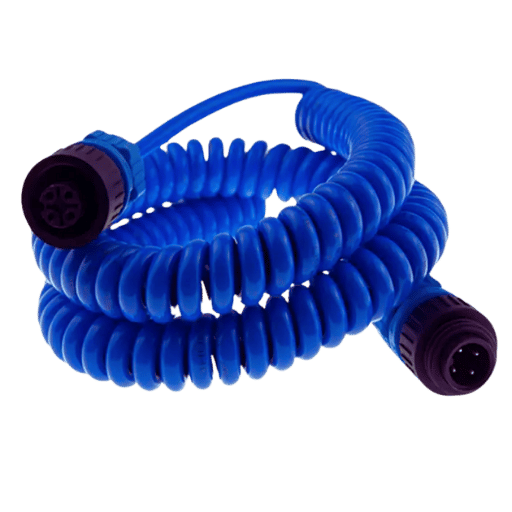
Spiral cable wraps are best suited for industrial applications because of their rugged construction and spiral design, which withstands harsh conditions. These wraps are made from tough polyethylene or nylon, which resist abrasions, harsh chemicals, and extreme temperatures, ensuring reliability for a long time. Their flexibility permits easy installation and adjustment even with tricky cabling systems. Wraps made from these materials easily protect and manage cords and cable systems from heavy-duty industrial activities. The combination of these two properties makes spiral cable wraps a dependable solution.
Application in Harsh Environments
Because of their durability and resistance to abrasion, chemicals, and extreme temperatures, spiral cable wraps are very effective in complex environments. These wraps are primarily used in the manufacturing, construction, and automotive industries, where cables are subjected to harsh conditions. These wraps secure bundles and proactively protect cables, thus mitigating operational wear and tear. This promotes enhanced reliability, even in harsh environmental conditions.
Meeting Industry Requirements and Standards
Cable wraps undergo design and testing processes to meet industry standards to achieve UL (Underwriters Laboratories) certification and ISO 9001 quality management. UL guarantees that the materials used are flame-retardant, non-conductive, and fit for purpose, while ISO ensures overarching quality. Compliance with RoHS regulations guarantees ecological responsibility by limiting the presence of dangerous substances in production materials. Meeting these standards assures that cable wraps are dependable and uniform solutions across various industrial uses.
Frequently Asked Questions (FAQs)
Q: What is spiral cable wrap, and how is it used to wrap cables?
A: Spiral cable wrap is a form of wire management that wraps plastic material around cables protectively and flexibly. This organizes the wires and keeps them secure to prevent tangling.
Q: What materials are typically used for spiral cable wrap?
A: Polypropylene and polyethylene are the two commonly used materials for spiral cable wrap due to their flexibility and resilience, which help form a sturdy and reliable casing for electrical wires and cable assemblies.
Q: How does spiral wrapping help maintain cable management?
A: Spiral wrapping helps keep cables and wires tidy and within reach while preventing damage. This is possible because spiral wrapping holds wires together, reducing clutter, tangling, and damage to the cords.
Q: Can spiral wrap for cables be used outdoors?
A: Spiral wraps can withstand sunlight and other outdoor elements, protecting cables even when installed outdoors. This makes them perfect for maintaining the integrity of cable assemblies.
Q: What are the typical applications of spiral cable wraps in electronics?
A: In electronics, spiral cable wraps help organize wire bundles within devices, control the cables in different parts of the assembly, and safeguard important interfaces like steering wheel controls and airbag systems.
Q: Are spiral cable wraps easy to install?
A: Yes, spiral cable wraps are designed to be applied easily. All that is required is to take the cable bundle and initiate at one end, then wind it around the wrap, which makes for effortless positioning and, if need be, modification.
Q: Can spiral cable wraps be customized to different lengths?
A: Each spiral cable wrap is readily adjustable in length, making it suitable for all sorts of cable management situations, whether the job involves shorter wire bundles or longer assemblies.
Q: How do spiral cable wraps protect the cables?
A: Spiral wraps tend to cover cables in a manner that fits them snuggly. This serves as protection for abrasion and other physical harm. In addition, these wraps also defend against electrical shambles by keeping the assembly organized.
Q: Is there a specific way to verify the quality of a spiral cable wrap?
A: The quality of a spiral cable wrap can be verified by evaluating its strength, flexibility, and tightness. It should hold its shape and adequately protect the cables.
Reference Sources
1. The Rise and Fall in the Performance of Multi-Layer Spiral Cables Concerning the Manufacturing Process
- Authors: Zhou, Xuan, and Others
- Published In: IEEE Transactions on Applied Superconductivity, 2024
- Key Findings:
- The study examines the performance deterioration of multi-layer spiral compact cables fabricated from REBCO high-temperature superconducting (HTS) tapes during manufacturing.
- This study also shows the severe degradation of critical current post-bending, which is imperative for superconducting devices’ operational integrity and safety.
- A proposed novel mechanical simulation technique made more accurate predictions of critical current degradation than traditional methods.
- Methodology:
- The authors carried with them a model of the mechanical winding process using finite element method (FEM) simulations and validated the model against experimental data (Zhou et al., 2024, pp. 1 5).
2. Research on the Performance Degradation of Multi-Layer Spiral Superconducting Cables under Bending Loads
- Authors: Xuan Zhou et al.
- Published In: IEEE Transactions on Applied Superconductivity, 2024
- Key Findings:
- This bending behavior and its influence on the critical current of multi-layer spiral superconducting cables is investigated.
- It is noted that all two-point bending approaches tend to overpredict the critical current; however, results obtained with new mold bending simulation agree pretty well with experiments.
- Methodology:
- A mechanical analysis finite element model was created to simulate the bending process. Additionally, post-bending critical current experiments were performed (Zhou et al., 2024, pp. 1–6).
3. Electromagnetic-Mechanical Coupling Analysis of Superconducting Spiral Cable
- Authors: Xuan Zhou et al.
- Published In: IEEE Transactions on Applied Superconductivity, 2025
- Key Findings:
- The paper analyzes multi-layer spiral compact cables’ electromagnetic and mechanical phenomena during operation.
- The study underscored the need to understand the coupling effects to enhance the design and performance of superconducting magnets.
- Methodology:
- An electromagnetic-mechanical field co-simulation was done considering residual strain from winding caused during the prestressing process of electromagnetic force and mechanical response (Zhou et al., 2025, pp. 1–5).