Each home has its own set of safety hazards, one of them being a coiled extension cord, which is often overlooked. It is easy to store and quite convenient. However, if not used correctly, it can be a silent yet dangerous fire hazard. A proper understanding of the risks involved with coiled extension cords is essential to avoid accidents and guarantee safety in the workplace or home. In this article, we will explain why coiled extension cords can be dangerous, reveal misconceptions, as well as provide tips to help you make safe decisions. This guide is perfect for you whether you’re a renter, a homeowner, or a DIYer, as it helps protect you and your property.
What Makes a Coiled Cord a Potential Fire Hazard?

As electric currents pass through a coiled cord, it generates heat, which can turn into a fire hazard. The loops in a cord trap heat, preventing it from dissipating as it rises. If the cord is under a heavy electrical load, the added heat can cause the insulation to melt or possibly ignite. To minimize this risk, always uncoil an extension cord before usage, especially when using high-energy-demand devices.
How Does Heat Build-Up in a Coiled Cord?
The buildup of heat in a coiled cord is caused by thermal resistance as well as poor heat dissipation. The generating of heat as a byproduct due to natural resistance poses a problem in the wire’s circulation. This issue is worsened with a coiled configuration due to the spatial arrangement of the loops. Spiraled compact loops further restrict air flow and surface area which increases temperature within the coil.
Cords have the potential to be damaged by heat, especially coiled cords where excessive localized heating can result in loss of integrity in the plastic insulation. Studies suggest that an insulated electrical cord may lose up to 50% of its lifespan for every 10-degree increase in temperature. Extreme conditions such as prolonged use and high current demand can lead to melting, or worse, set fire resulting in serious hazards. For instance, a 50-foot 16-gauge extension cord coiled and carrying a 10 amp load can go over 140°F, exceeding safety temperature thresholds of insulation standard materials. Furthermore, excessive localized overheating can lead to cracks and the loss of structural integrity in the plastic insulation, making them brittle or completely non-functional.
To address these risks, experts recommend unwinding extension cords completely before use and verifying the usage rating of the cord is appropriate for the devices plugged into it. Additionally, the use of more robust cords with a higher wire gauge rating will lower resistance, reduce heat, and improve overall safety. By following these practices, users can reduce the chance of overheating and prolong the life of their electrical cords.
Why Does a Tightly Coiled Wire Overheat?
Overheating of wires is a major concern when understood in light of physics and electricity, particularly with respect to the myriad of physical and electrical properties that dictate their behavior under load. Heat in any wire is produced as a result of electrical resistance. When the wire is coiled, the already generated heat is concentrated in a compact volume, restricting its dissipation/escape into the environment. This is more pronounced in high resistance wires or under greater loads, where the heat accumulation rate far outweighs the release rate.
Besides, the proximity of conforming loops of a coil can lead to the generation of electromagnetic interference (EMI) and eddy currents, which serve to exacerbate the already high localized heating. For example, studies suggest that tightly wound coil can accumulate heat to 70 – 80% more than uncoiled wire provided the electrical load is kept constant, depending on the material and gauge of the wire and its insulation. If the attendant insulation, overheating, and other factors are not adequately managed, wires may suffer rapid degradation, leading to electrical shorts or even posing fire hazards.
Employing wires with proper electrical ratings and ‘uncoiling’ them during operation helps with overall thermal management. Understanding this mechanism is especially important in designing for effective thermal management, both for safety and operational efficiency.
Can Coiled Extension Cords Cause Fires?
Yes, under certain conditions, coiling extension cords can create serious fire risks. Electric current flowing through wires creates heat as a byproduct of resistance. While using an extension cord if it is coiled, the flow of air through the wires is restricted. This means that heat can become stagnant, making it difficult to get rid of. When an extension cord is used while coiled, the flow of air through the packed wires is restricted, which means that the amount of heat generated while using said extension cord can become dangerously high.
Extension cords are built from a specific length and thickness or gauge of wire, meaning they have a volted capacity which determines how much amperage they can handle. A 16 AWG thick wire for example, can handle between 10-13 amps depending on length. When an extension cord is coiled the internal heat trapped within the coiled wire can generate a number higher than the safety limits making it dangerous.
Over prolonged periods, insulation can break down, causing electrical shorts and increased chances of combustion.
Reports from fire safety organizations indicate that the misuse of extension cords results in hundreds of electrical fires every year in both homes and businesses. Most of these fires are the result of overcoiled or overloaded cords. To prevent these dangers, it is important to uncoil the cord completely when in use and to make sure that the weight does not surpass the rated capacity. Moreover, choosing cords with superior insulation and appropriate gauge for the intended load offers extra safety.
A thorough knowledge of the thermal characteristics and proper use of extension cords will safeguard against potential fire hazards while also ensuring lasting electrical safety.
How Do Amps Affect the Safety of Coiled Extension Cords?

What is the Role of Current in Overloading a Coiled Cable?
The conducting material in an extension cord experiences heating due to the resistance when electrical current flows through it. The resulting heat is amplified because the cord stays tightly coiled, and the overlapping portions of the cable constrict the dissipation of heat. The defiance of the current flowing through the cord surpasses the rated value, and this accumulation of heat poses an imminent risk of overheating and fire.
Excessive load current on coiled cords increases the rate of temperature rise by 50-60% compared to a non-coiled extension cord. For example, consider a 50-foot coil of cord, which in a balanced position, is at its maximum rated current of 12 amperes for 16-gauge wire. In a coiled state, this configuration surpasses its permissible value on account of temperature elevation much quicker than in an uncoiled state. This occurs because at these increases in temperature, voltage drop, resistance, and subsequently the level of overheating diminishes the overall power supply with increasing risk from corrosion.
To counter this, operators should remember to entirely uncoil extension cords before using them with high-load devices such as motors or tools. Moreover, checking the cord’s gauge to ensure it meets or, better yet, exceeds the current demand of the attached equipment helps maintain optimal operational conditions.
How Does Inductive Heating Occur in Coiled Cords?
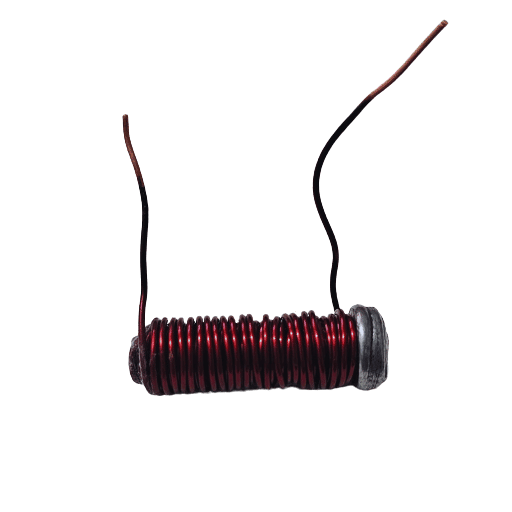
The electromagnetic fields induced by alternating current (AC) are mostly responsible for inductive heating in coiled cords. If an electric current runs through a coiled conductor, a dynamic magnetic field is created. In the case of coiled cords, this bulky magnetic field induces secondary currents, called eddy currents, within the wire itself. When the cord is tightly coiled and poorly ventilated, these eddy currents can generate significant heat—especially under high current loads.
Because coiling reduces a cord’s ability to dissipate heat, the heating effect is made worse even more so when lack of surface area exposure to open air. Research suggests that temperature increases of 25-50% can occur in tightly coiled cords operating under high current compared to fully uncoiled cords, depending on gauge and load characteristics. This not only increases efficiency losses but also poses major safety hazards, including insulation damage, fire risk, and the risk of burning up the device being powered.
Users wanting to reduce the effects of inductive heating should minimize the amount of cord left coiled, particularly on devices that draw heavy current loads, while also ensuring specified current caps are adhered to for the cord gauge in use.
What Do Forum Discussions Reveal About Coiled Extension Lead Safety?

Are There Real-Life Incidents of Coiled Extension Cords Causing Fires?
Documented cases of fires started by coiled extension cords indicate the potential dangers of improper safety practices. One incident in 2021 involved a heater in a home where a coiled extension cord was used to power the heater, leading to overheating and a fire that damaged the property extensively. The fire investigation concluded that the coiled structure of the cord generated additional heat, which locked in and intensified the temperature well past the safe limit.
In addition, statistical data provided by various fire safety institutions, including the National Fire Protection Association (NFPA), clearly states that electrical distribution and use of appliances such as extension cords rank high in terms of starting fires in the household. Coiled extension cords pose a greater risk due to inductive heating, which states that heat trapped in the coil part of the cord can damage the insulation or even ignite.
Moreover, extension cords pose the same risks for hazards in construction and industrial workplaces that make use of heavy-duty coiled extension cords. Studies have shown that when cords are left coiled and maintained under heavy electrical loads, they tend to degrade at an alarming rate, which may lead to fires if not closely monitored. Fire safety advocates highly recommend conducting routine safety checks as well as fully uncoiling extension cords to avoid such incidents. This data and other cases prove that full uncoiling of extension cords on top of proper manipulation during use is essential due to the realistic risk of fire during coiling. At the same time, complete adherence to proper safety protocols are crucial.
What are the Common Misconceptions Discussed in Forums?
A misbelief that stands out among users is thinking that the extension cord’s gauge thickness, or gauge, has no bearing on overheating when coiled. While the gauge indeed determines the cord’s load capacity, its coiling constricts the dissipation of heat, which all poses an alarming risk for overshoot, regardless of gauge size. Heavy duty extension cords anecdotal evidence on thread discussions showcase materials mismanaged due to limitations with great misfire destruction.
A user could get in trouble thinking cords rated for outdoor use could not be misapplied when used indoors, which is a gap in logic that exists when misinterpreting robust means systematically deemed as construction. After all, outdoor cords are meant to endure harsher environments but can lack construction blindfolded for flexibility indoors. Like outdoor-rated cords, any indoor-rated cord still needs appropriate treatment, such as being untangled and devoid of coils when meant for use to avoid putting unneeded temperature stress.
As a rule of thumb, signaling devices with surge protectors or equipped with breakers lead forum participants into assuming complete room safety supervising none while pretending to use the cord for hours on end. While assuming these extra gadgets do not allow a screamer for added protection, they stand corrected as these, such features do complete the mosaic on chances of disregarding danger posed by disagreement on overcoiling, overload, or boundless misuse of PVC.
The misuse or overreliance on particular safety measures has caused mishaps, thus necessitating comprehensive training. Reasonably, a 2022 National Fire Protection Association (NFPA) report highlighted that other appliances, such in ‘overused’ extension cords, too, fostered almost 10% of all house fires. Misuse was often a contributing factor.
How Can You Keep Coiled Cords Cool and Safe?

Why Should You Always Unwind a Coiled Power Cord Before Use?
Failure to unwind a coiled power cord before use may lead to hazards and issues. A coiled cord can heat up dangerously if an electrical current flows through it, simply due to resistance. Because the coiled structure prevents adequate heat dissipation, it creates the risk of overheating. If this state is maintained for a long period, overheating might destroy the cord’s insulation, leading to an increased risk of fire or complete failure of the cable.
Safety specialists have stated that even low-powered appliances, when used with an improperly coiled cord, run the risk of overheating elements. Testing data has shown that coiled cords used with high-power appliances like power tools or space heaters can reach dangerously high temperatures within a short duration of continuous use. Not only that, electromagnetic interference created by tightly coiled cords can hinder other neighboring devices, showcasing yet another issue.
There are simple steps to reduce the problems and dangers associated with power cords. For example, ensure that power cords are completely unwound before plugging them into an outlet or connecting them to an appliance. This will prevent overheating and excessive strain on the cord, as well as reduce the chance of electrical hazards. Following the guidelines provided by the manufacturers and regularly checking the cords to ensure there are no signs of damage are also important in guaranteeing safety while using extension cords and power cables.
What are the Best Practices for Using Coiled Extension Cords Safely?
When using coiled extension cords, following a set of best practices ensures proper and safe usage. The practices listed below are based on safety principles and technical knowledge.
- Always Uncoil The Cord Before First Use: A coiled extension cord under load generates heat due to electrical resistance, which in turn creates additional heating. Always ensure the cord is fully extended to avoid overheating, potential fire hazards, and heat buildup. It has been shown that a coiled cord gets dangerously hot and can reach a level where insulation burns off over a high current usage.
- Pre-tensioned cords have a capacitance of below: Always ensure the extension cord is rated for the electrical load of the connected devices. Do not exceed the load limit as that can lead to overheating, voltage drops, and electric fires. Use thicker cords embedded with AWG wires as their increased diameter indicates higher power capacity. These should be used for setting up high wattage and heavy-duty equipment.
- Frequent examination of extension cords for cracks, cutting signs, or frazzled wires exposes the cord to damage which can be critical. Such busted cords open a can of electrical shorts which pose significant risks and safety concerns.
- Pick the Correct Lead for the Setting: Outdoor extension cords should be weatherproof and marked for outdoor use. Indoor cords do not offer the protection from moisture and environmental factors needed for outdoor use, making them unsuitable.
- Do Not Create a Daisy-Chain: Connecting multiple extension leads in a daisy-chaining pattern increases electrical resistance and creates an extreme hazard. Instead, use one single extension cord of appropriate length.
- Avoid Overstretching Cords: Store the rest of the cords in a dry, cool place, removing the risk of damage from environmental factors. Over-straining the internal wiring increases with taut winding.
Following these standards allows users to not only prolong the use of their extension cords, but also reduce mismanagement of electric cords and the risks that come with it.
How Does Proper Insulation Help in Preventing Fire Hazards?
Proper insulation protects electrical appliances from overheating and endangers the fire, aiding in reducing fire risks by making sure that electrical currents are guided to their intended pathways. If short circuits, sparks, and overheating are to be avoided, electrical conduction to unintended areas must be avoided through high-quality insulation material like PVC, rubber, or thermoplastic compounds. Failing or destroying insulation tends to cause electrically igniting short circuits due to conductive materials having contact with each other.
From reports further on, it is noted that, for instance, a staggering 13% of house fires in the United States stem from electrical failures and malfunctioning appliances. Insulation blocks and takes the chair of the maestro while non-conductive wires act as shields and guards with surroundings, making and shielding both the surrounding spaces and the wirings feel safe. As a result, insulation bears the first and vital stroke of defense. Insulation materials have the potential of being touted as modern features, usually possesses the quality insulated and fire retarding in essence.
The majority of the weaknesses tend to spring forth from aging, moisture, and damage teamed up together to destroy the integrity and logic of insulation during its periodic examination. Replacement of insulation serves safety standards starting from checking up if the risks stemmed from fire do go down inside industrial and residential places. Carefully shielding assets, organized systems, and one’s life while keeping them on top of anything provides the chance to shield above themselves and carefully keep the ropes of greater aid with a focus on the right aid while tending to stir and head in the right direction alongside mitigation supporting the risk of fire.
What Role Does Electrical Engineering Play in the Design of Safe Coiled Cords?
How is Wire Gauge Important in Reducing Fire Hazard?
When it comes the the electric circuits of a system, it involves a lot of details, which makes their installation and use sophisitcated, and the most critical detail involves wire gauge, which impacts electricity fire hazards and the efficient operation of the circuitry. This wire gauge term is used to talk about the thickness or the diameter of a particular wire, thus, it heavily influences the resistance, the current the wire can withstand, and the heat produced. Higher gauge numbers indicate thinner wires, which translates to higher electrical resistance and higher chances of excess heat generation in case of high current flow. This can, over time, damage the insulation and the surrounding materials, leading to an electric fire.
For wires used in household circuits, a 14-gauge wire is common with a support of 15 amps and a thicker 12-gauge wire can safely handle 20 amps. Increase in current capacity with undersized wire can lead to severe overheating and pose great risk of fire. The National Electrical Code (NEC), defines set standards under which wires can be constructed along with guiding advice for a well defined wire gauge selection for enhanced safety.
Furthermore, the composition of the wire affects the gauge requirements. Copper, for example, is less resistive than aluminum wires and therefore, can use thinner gauges without risk at the same current level. Choosing the correct gauge for the current load and material not only minimizes fire hazards, but maximizes cost, safety, and efficiency. Following these guidelines along with conducting routine checks, helps achieve balanced conditions for safety concerning the electrical installations.
What Innovations in Extension Cable Design Enhance Safety?
In contemporary designs of extension cables, the level of safety has been improved greatly with the integration of numerous innovations. A clear example of this is the built-in circuit breakers and surge protectors such as the advanced models that can handle up to 6000 volt surges. This greatly helps prevent any damage from power surges and overloads to sensitive electronic devices.
Another crucial upgrade is the temperature-sensitive materials that shut off power when overheating is detected. These materials help prevent potential dangers such as fires due to overload conditions or high current use for long periods of time. Many designs now use flame retardant casings which aid in protecting against electrical fault.
The use of more advanced technologies such as double-layered insulation, polymer coaters, or even moisture and UV resistant materials greatly increase the insulation of cables. A perfect example of this is IP65 rated waterproof insulated cables which can withstand outdoor and industrial environments.
Furthermore, extension cables with smart capabilities have appeared as a remarkable advancement. These cables, equipped with Internet of Things (IoT) technology, can monitor power consumption in real time, notify users of discrepancies, and even enable remote control through other connected devices. Research indicates that systems with smart monitoring reduce energy waste by up to 15%, enhancing safety and efficiency.
These developments, coupled with compliance to strict regulatory guidelines such as UL (Underwriters Laboratories) or CE (Conformité Européenne), ensure that modern extension cables provide value from the perspective of consumer safety and operational performance in an increasingly sophisticated electrical landscape.
Frequently Asked Questions (FAQs)

Q: Does a coiled extension cord pose any fire risks?
A: Indeed, a fire hazard may result from a coiled extension cord in use, as it may inhibit the cord from getting rid of heat and subsequently result in overheating, which could cause melting and, potentially, fire.
Q: Why does an extension cord coil heat up?
A: An extension cord heats up because the coil restricts the movement of heat which leads to the rise in temperature of the clamp and subsequently the risk of fire and melting.
Q: Is there a chance that a coiled extension cord will present a fire hazard?
A: Indeed, a coiled extension cord poses a fire hazard as it may result in overheating due to exceeding the threshold of heat the cord can get rid of, especially if the load is close to the maximum rating. Then, it stands a good chance of igniting.
Q: What is the proper way to use an extension cord?
A: The proper way to use an extension cord is to completely unravel it and check that the load does not exceed the recommended value while also regularly inspecting the cord for fraying or damage.
Q: How does inductance impact coiled extension cords?
A: Coiled extension cords that are inductive can add to the resistance and heat produced, so that the cord will overheat and catch fire if not properly uncoiled.
Q: What is the meaning of the gauge of an extension cord?
A: The gauge of an extension cord explains its size as a number, and the lower the value of the gauge, the thicker the wire, which increases current flow, and the wire will overheat if used near the rated load.
Q: How does a coiled extension cord affect the performance of appliances?
A: A coiled extension cord can restrict the flow of electricity because of greater resistance and heat accumulation, which may lead to appliances functioning poorly, or even damaging them if the output exceeds what the cord can take.
Q: Do different types of extension cords vary in their load-bearing capacity?
A: Yes. Just like any cord, there are various types of extension cords designed for particular loads. It is critical to use a cord that has the correct gauge and maximum load rating to avoid the possibility of fire or overheating.
Q: Why is heat dissipation important to extension cords’ safety?
A: As in the case of any electrical apparatus, heat dissipation for the extension cords is important for their safety. Heat has to be discharged to avert overheating. Bundling or coiling a cord decreases airflow and convective currents which exacerbates the possibility of the cord melting or catching fire.
Q: What about a messy coil? Can it cause electrocution?
A: A messy coil on its own would not cause electrocution, but damaged or frayed cords due to improper use may expose wires, which increases the chances of electrocution.
Reference Sources
1. Examination of the Fire Hazard of Various Cables Using Cone Calorimetry
- Authors: Bobo Shi, Chenyang Yang, Haifan Long.
- Published in: Fire on November 9, 2023.
Key Findings:
- This study looks at the combustion characteristics of different types of cables; these include electrical, optical, and network cables.
- It evaluates fire risks in light of different radiation levels, concentrating on time to ignition (TTI), heat release rate per unit area (HRRPUA), peak heat release rate (PHRR), total heat release (THR), and mass loss rate (MLR).
- The most serious threat in terms of fire risk was from electrical cables, while network cables produced the least toxic smoke.
Methodology:
- The research employed ISO 5660 cone calorimetry to assess the fire risks posed by the various types of cables in a controlled environment (Shi et al., 2023).
2. The Impact of Interlayer Distance and Cable Spacing on the Flame Behavior and Fire Risk of Multilayer Cables in a Utility Tunnel
- Authors: W. An, Tao Wang, Kai Liang, Yanhua Tang, Zhe Wang
- Published in Case Studies in Thermal Engineering, November 6, 2020
Key Findings:
- This article assesses the impact of the arrangement and spacing of multilayer cables on their flame behavior and fire risk.
- It identifies that closer spacing can increase the fire risk as a consequence of fire spreading more rapidly because of the strong inter-cable heat transfer.
Methodology:
- The authors performed experimental investigations of flame spread and heat release for different configurations of multilayer cables (An et al., 2020, p. 100784).
3. Analysis relating to the Smoke Dangers of Mining Cable Fires.
- Authors: Weifeng Wang, Yuhang Huo, Fu Kang, Hanfei Liu, Hao Ren, Bo Yang, C. Lu.
- Published in: Journal of Thermal Analysis and Calorimetry, 3 April 2023.
Key Results:
- It was found that the greatest danger was posed by fires involving mining cables and that they produced hazardous smoke in terms of enclosure.
- Fires involving mining cables present risks that need to be mitigated through effective smoke control strategies.
Methodology:
- The study attempted to design schemes for conducting experiments that involved the burning of cables to determine smoke and toxicity levels (Wang et al., 2023, pp. 1–11).