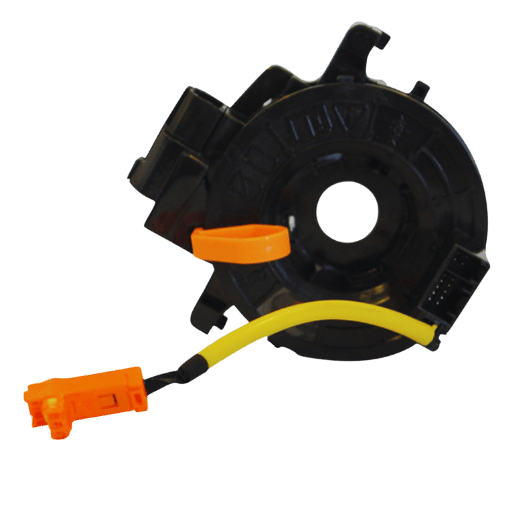
The spiral cable, also known as the clock spring, is instrumental in the working of the steering system and the associated electronic systems of your Toyota. This component, which is usually taken for granted, needs to maintain an electrical connection to vital systems like an airbag, horn, or controls on a steering wheel while the wheel is allowed to rotate freely. As with any other part of an automobile, the spiral cable is subject to wear and tear or damage over time, which risks malfunctions that can result in disabling safety features or loss of critical conveniences. In this article, we will analyze what the spiral cable is, its mechanism, its symptoms, and the importance of addressing any concerns regarding the functionalities of the vehicle for optimum performance and safety.
Why Do You Need to Register a Spiral Cable?
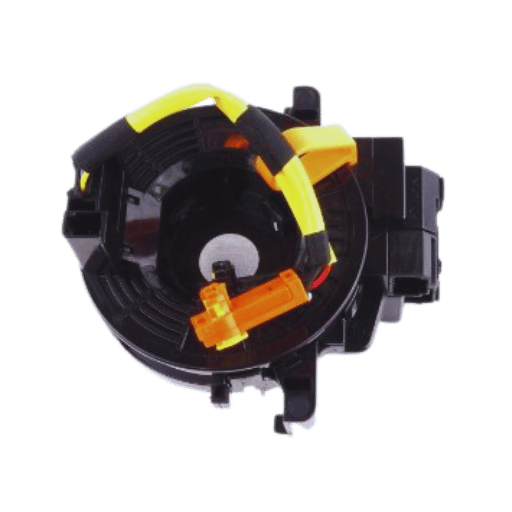
As with all safety mechanisms, the airbag and other vehicle safety systems rely on a properly registered spiral cable. Today’s diagnostics systems within vehicles make it necessary for certain components, like the spiral cable, to be properly programmed or registered for the system to operate. This step allows the vehicle’s control module to identify the new part and its relation to previously installed components. Not registering a fitting cable can lead to malfunctions or, in some cases, an airbag indicator fault, causing safety features to fail when critically needed. Ensuring correct registration mitigates operational safety risks and provides reliability.
What is a Spiral Cable, and Why is it Important?
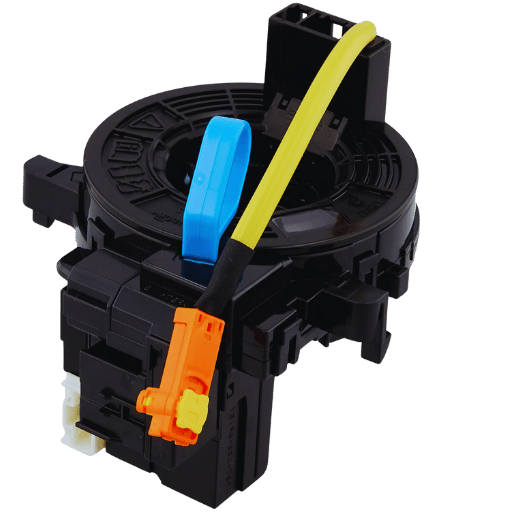
A clockspring, or spiral cable, plays an essential role in the steering system of a motor vehicle. It transfers electrical power to the steering wheel and other systems, including airbags, collision avoidance systems, steering wheel controls, and the horn, while allowing free axial rotation of the steering wheel. This design allows uninterrupted operation of functions that, in some cases, could compromise safety and, at other times, aid with user convenience. Because of its role in systems like airbag ignition in the event of collisions, proper functional spiral cables contribute to motor vehicle safety. To ensure such operational reliability, proper maintenance, correct fitting, and periodic examinations are obligatory.
How Does the Spiral Cable Affect the Airbag System?
The spiral cable, or clock spring, is also fundamentally important in the functioning of a vehicle’s safety system as it mechanically connects the airbag and its module to an electronic control unit (ECU) of the vehicle. The airbag sensors will trigger a collision alert when the sequence is met. The ECU then, via the spiral cable, sends notification instructions to prop open the airbag. A faulty or broken spiral cable will usually impede electrical contact, and hence, the likely outcome of such a situation will be the failure/ delay of the airbag inflation mechanism, which could hamper passenger protection.
Other authors highlight that the cable is designed to sustain the movement associated with the rotation of the steering wheel. Observation of the SRS indicator on the dashboard will be the key to identifying the wearing of the cable, as it is depressed and requires resetting. Other identification mechanisms may accompany a step-wise detection algorithm that will guarantee the identification and isolation of all faults in the SRS components. The balance should be maintained with the set automotive engineering safety standards that suggest that a broken spiral cable should always be replaced without delay to sustain the needed reliability of airbag circuits in cars with increased SRS infrastructure.
Additionally, sophisticated diagnostic equipment is capable of identifying particular fault error codes associated with spiral cables, allowing for specific problem identification and rectification. By preserving the condition of the spiral cable, along with regular maintenance, vehicle owners can aid in upholding essential levels of safety performance and mitigating risks related to failure of the airbag system.
When Should You Consider Registering the Spiral Cable?
If you remove the steering wheel, or even the spiral cable, you should consider registering them. This procedure prevents improper alignment of the spiral cable which could cause problems with the airbag system. Also, registering is beneficial if diagnostic checks show a fault value concerning the spiral cable. Following the registration guidance provided by the manufacturers is crucial for the safe and effective operation of the vehicle’s airbag system.
How Can You Get Full-Access to Toyota’s Spiral Cable Information?
Accessing Detailed Toyota Vehicle Manuals
For information pertaining to spiral cable systems and other components for Toyota, the use of official resources is very important. Toyota has a service manual for every vehicle, which is available on its Technical Information System (TIS) website. This website has numerous repair manuals, wiring diagrams, service bulletins, and system updates for almost all Toyota models which can be freely accessed by technicians and vehicle owners. Depending on their needs, users can subscribe to TIS on a daily, monthly, or yearly basis, which gives them complete access to detailed service manuals.
Other than the official website of Toyota, there are other websites such as ALLDATA and Mitchell1 that are useful in acquiring information regarding the repairs for Toyota vehicles. These websites assemble service data from manufacturers and provide them in an orderly database that can be searched professionally. For information about the installment of the spiral cable or error code diagnostics, refer to the particular model sections or utilize the search bar for the year of manufacture and model name.
While performing vehicle diagnostics, it is important to consider model differences in the spiral cable and airbag system, as well as its functionalities. It is noted that some later models of Toyota may have additional features such as steering angle sensors wherein adherence to specific calibration methods described in the manuals is necessary. Following the instructions in these documents is beneficial for vehicle safety compliance as well as performance requirements. Always verify the authenticity of the manuals sought and use guidance from Toyota-sanctioned documents for information reliability.
The Role of a Toyota Dealer in Providing Information
Your input seems to be related to a service job as a Toyota dealer. It’s true that my information responsibility as a Toyota dealer involves providing customers with information in an accurate and timely manner, addressing the specifics of their vehicles by walking through the mechanics of the vehicle, providing manuals, service documents, and maintenance instructions, guiding them through required steps of the process. Moreover, I serve as an intermediary for reports posed by mobile customers in order to educate them on the principles of compliance to safety and operational standards of the company, Toyota issues customers with manuals containing requirements and standards. The satisfaction and trust of the customer are preserved by providing him with the right information.
Benefits of Toyota’s Owner Portal for Easy Information Access
The Portal of Toyota Owners is intended to streamline the experience of a vehicle owner and provide them with useful materials regarding the vehicle. Its main advantages include:
Access to Service History of the Vehicle
- Users can further access the service records of their vehicle through the portal, which is useful in making sure there is honesty and that the maintenance is kept in a timely manner.
Reminders for Routine Services
- Servicing on a vehicle is important in ensuring that the vehicle is in top shape and functioning at optimal levels. Owners of vehicles have been reported to receive reminders for upcoming routine services, making it less likely that the vehicle will be under serviced.
Vehicle Specific Information
- Users who have registered can receive information pertaining to their specific model such as safety warnings that pertain to the individual serving.
Recalls and Warranty Guide
- The warranty guide is easily accessible through the portal and offers up to date details when it comes to coverage or alerts of any recalls allowing users to act in good time when the need arises.
Manuals and Guides Digitally Made Available
- Users can now access and download freely manuals and guides of the individual models which assists them in resolving difficulties that tend to come with device features.
Communication with a Dealer
- The portal enables communication with authorized dealers aiding in scheduling the necessary servicing for the purpose of having the queries dealt with speedily.
Tracking of Paperwork and Making Payments
- Payment procedures have been made easy as users can now make payment through the internet while monitoring the invoices of the completed tasks which reduces the unnecessary paper work needed.
The Toyota Owner’s Portal integrates these aspects to enhance the experience of owners, optimally guiding their decisions and aiding in systematic vehicle maintenance.
What Issues Can Occur with the Spiral Cable in Toyota SUVs?
Common Problems Found in Toyota’s 2025 Models
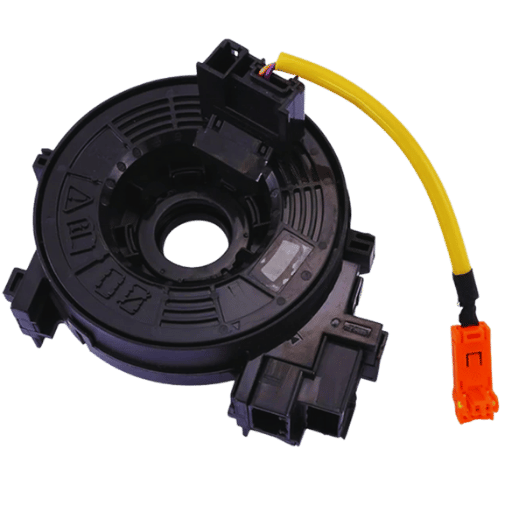
One of the most reported problems with the 2025 Toyota SUVs is the failure of the spiral cables tied to the airbag system. It is possible that these cables might degrade or get damaged over time, which can result in the improper functioning of the airbag deployment mechanism. Some signs of this problem could be the airbag light being displayed on the dash or the steering wheel buttons ceasing to respond. Taking care of this problem without delay is necessary to guarantee the safety of the passengers and that the vehicle is within regulatory requirements. Toyota recommends that users go to the official service centers for checkups and replacements.
How to Identify a Faulty Spiral Cable in Your Toyota SUV
A thorough diagnosis of the airbag system is essential to identifying malfunctioning components of the vehicle’s safety and control systems. Below are symptoms pertaining to the spiral cable issues for your Toyota SUV.
Airbag Warning Light
- One of the most frequent signs relating to malfunctioning spiral cables involves illumination of the airbag warning light on the console. In the case of airbag systems, the spiral cable is integrated in the system by providing continuity of circuits relative to movement of the steering wheel. Due to wear and tear, a spiral cable can break. This can, in fact, obstruct the inflator from deploying during a crash.
Steering Wheel Controls Dysfunction
- If some steering wheel buttons; audio control, cruise control or phone buttons do not work, the spiral cable could be broken. Those functionalities depend from the spiral cable being in one piece.
Horn Not Operating
- The spiral cable might be the reason the horn does not work as an electrical spiral can get problematic, but rather cascade problematic towards[hence] all systems dependent on it.
Strange Noises or Resistance When Rotating the Steering Wheel
- A driver may hear clicking or grinding noises, or may experience unusual resistance when they rotate the steering wheel. This may mean that the spiral cable assembly is suffering from some internal damage or general wear.
Diagnosis and Replacement Instructions
- If you notice any symptoms from the list above, you should get a professional evaluation right away. Licensed professionals have access to diagnostic equipment. It complements the damage they have already assessed visually and provides confirmation of faults concerning the spiral cable system. It is advisable to replace the spiral cable as a whole if defects are noted since repair attempts would jeopardize integrity, according to Toyota’s advice. Replacement must always, without exception, be done at a Toyota service center by certified specialists with the corresponding OEM components to maintain safety and performance.
Ignoring issues relating to the spiral cables can result in critical steering wheel functions and airbag deployment ceasing to function properly. Uninterrupted vehicle maintenance, along with prompt corrective actions concerning these faults, will render compliance with safety standards while keeping the driver and passengers safe and sound on every journey.
SRS and Airbag Warning Light: When the Light Doesn’t Come On
Not seeing the SRS and airbag warning light when starting the vehicle may suggest an airbag system issue. Normally, the light will show up momentarily during the start of the vehicle as the system is performing a self-check to confirm it is operational. Its absence may be due to a malfunctioning bulb, loose connections, or a more serious problem with the supplemental restraint system. The airbag system should be checked without delay by a qualified technician to ensure that the proper functioning of the system is maintained for the safe operation of the vehicle.
What Steps Should You Take if the Airbag Light Comes On in Your Toyota?
Troubleshooting the Airbag Light with Diagnostics Tools
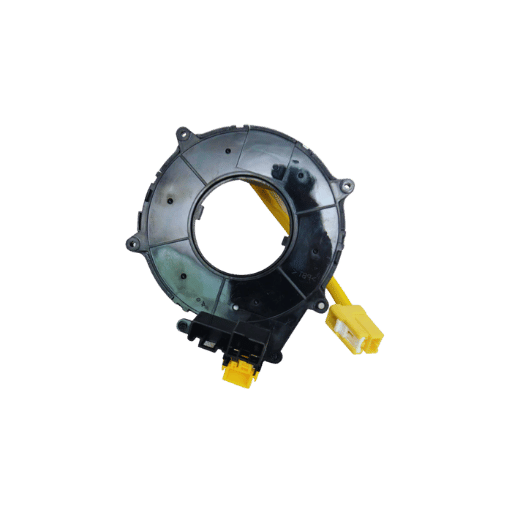
Seeing the airbag warning light flicker on means that an automotive diagnostic tool can be used to determine the SRS issue involving airbags. Recent Toyota cars are fitted with onboard diagnostic OBD-II systems, which are triggered for a number of reasons. Follow these steps for troubleshooting:
Plug in the OBD II Scanner
- The diagnostic port can be found near the driver’s seat. Make sure that themachine does not start but the key is set to ON.
Decode the Check Error Codes
- Next and most importantly, access the SRS module. You should easily access previously stored DTCs. make use of SRS codes that are known to give problems such as B0100 or B1650. Failure codes are problems but also the solutions and they simplify the solution finding process.
Examine the Data
- Wired systems are known to be loose in numerous places as well as a large variety of sensors which leads to them being useless.
Examine For Potential Defective Parts
- Check the listed codes and check the corresponding components. Examination of the following areas is common: seatbelt pretensioners, occupant detection sensors, and connections to the airbag modules. For instance, DTCs associated with some seat belt tensioners may indicate defective connectors or damaged wiring harnesses.
Clear Codes After Repairs
- Repair is done, clear all fault codes, reset the airbag warning light, and check the vehicle using the scanner. Ensure the problem is resolved.
Any deficiencies that do not become obvious during a visual inspection can easily be detected using diagnostic tools. If there are any serious or complex problems detected by the scanner, they should be referred to a certified Toyota technician for further diagnosis and repairs. A sound set of diagnostic data, paired with appropriate expert knowledge, guarantees the safety and operability of your vehicle’s airbag system.
Consulting a Mechanic’s Expertise on Spiral Cable Issues
Should you think there is an issue regarding a spiral cable on your vehicle, contact a pro mechanic straight away. Some of the cases for a bad spiral cable might be an airbag alert signal being active, different steering column buttons not working, or problems with the horn. All of the parts mentioned above are important for the comfort and safety of a driver, and ignoring any possible problems can cause even worse trouble later on. Only a trained professional can accurately diagnose and replace the spiral cable because of the many tools and skills that are needed so that the vehicle’s safety and efficiency are not compromised.
Warranty Options for a Defective Spiral Cable
Warranty options can substantially mitigate the repair costs when resolving a faulty spiral cable. In relation to vehicle parts, most manufacturers provide a base warranty that ranges between three years, or 36,000 miles, and five years, or 60,000 miles, depending on the model and make of the vehicle. It is sensible to check the specific terms of the warranty documentation to ascertain if the warranty includes a spiral cable.
After the user warranty period, an additional warranty or a vehicle service contract may cover the cost of replacing the spiral cables under certain conditions. These contracts can be very different from one another, so careful scrutiny regarding deductibles and requirements of the provider awarding the service is critical. Research shows that in combination with an extended warranty, the cost of repairs of faulty spiral cables is possible to lower by 50% – depending on local labor and material costs.
If a vehicle is out of warranty, certain manufacturers and dealerships may still provide courtesy repairs if there is a known defect or recall on the vehicle. It is also recommended to look for any active Technical Service Bulletins (TSBs) or recalls associated with spiral cables, as these situations may offer complimentary repairs irrespective of warranty coverage. Keeping documentation in the form of service logs can be useful when pursuing warranty claims or goodwill resolutions that need supporting evidence.
Being informed about coverage limitations provided by warranties alongside the need to file a claim when a defect stemming from a spiral cable occurs helps save money as well as maintain safety standards on the vehicle.
How is the Spiral Cable Replaced on a Toyota?
Tools Needed to Remove the Steering Wheel Safely
Taking off the steering wheel on a Toyota requires utmost care and taking safety measures into consideration. To do it in a safe manner, these specific tools will be required:
Socket Wrench Set
- For the securing removal of a steering wheel nut, a socket wrench with a removeable socket (most commonly 19mm or 21mm in measurement depending on the make and model of the Toyota) is required.
Flathead Screwdrivers or Trim Disassembly Tools
- To prevent scratches or the harming of the plastic coverings on the steering columns, non-marring trim tools or flathead screwdrivers should be used to carefully detach the plastic covers.
Torx Screw Driver Set
- Modern vehicles utilize Torx screws for many components and so assembled airbag units will have some of them too. To remove these fasteners, Torx screwdrivers or bits (usually T30 or T40) are needed.
Steering Wheel Puller Kit
- The steering wheel puller kit will be used in order to safely detach the steering wheel from the splined shaft. It is far too easy to damage the steering column when trying to do so without the tools.
Torque Wrench
- A torque wrench is critical for reassembly to ensure the central nut securing the steering wheel is tightened to Toyota’s specified torque settings, put in place for the maneuvering of the car in a safe and effortless way, which also improves accuracy.
Safety Equipment
- Insulated Gloves – Wearing insulated gloves while working with airbag components helps to reduce the chances of static discharge.
- Protective Goggles – Safety goggles need to be put on prior to the assist in order to protect eyes from flying debris or parts.
Battery Terminal Wrench or Tool
- Before commencing, ensure that you disconnect the negative terminal of the vehicle’s battery at using the appropriate tool in order to disable the airbag system and prevent inadvertent deployment. Wait 20 to 30 seconds after disconnection to ensure complete discharge of the system.
Wielding the correct tools prevents damaging materials and ensuring that appropriate safety procedures are followed, especially where airbags are located. As noted in the instructions, specific torque values and instructions should be reviewed prior to execution.
Steps to Replace the Spiral Cable Assembly
Vehicle Preparation
- Park the vehicle where there is a flat surface and activate the handbrake.
- Take away the negative battery cable and permit a 20 to 30 second cooldown period to verify the airbag system is completely discharged.
Locating the Steering Components
- Depending on the vehicle that you have, unclip the steering wheel or airbag assembly.
- Disconnecting the airbag connectors carefully should be done while placing the airbag module in a safe position with the airbag side facing up.
The Spiral Cable Assembly Must Be Removed
- Any electrical leads connected to the spiral cable assembly should be removed.
- Take out the spiral assembly from the steering column by unscrewing the described parts.
Fitting the New Spiral Cable Assembly
- The right screws should be used to fix the new spiral cable to the steering column.
- Ensure that every cable connector is checked to confirm they have been plugged in successfully.
Test and Rebuild
- Ensure all electrical connections are reattached, and modules like the airbag unit and the steering wheel have been put back in position and tightened as prescribed by the manufacturer’s manual.
- Utilizing the spiral, adjust the vehicle’s battery so that it is functional, then check to see if the steering wheel rotates correctly while observing if the light indicators for the airbag system are working.
For safe and proper installations, I highly encourage that all the steps be taken from the vehicle mounting manual.
What to Expect from a Toyota Dealership Replacement
While getting a replacement at a Toyota dealership, a customer can expect the technician to follow safety measures such as the order of operations and restrictions set forth by the manufacturer’s processes. The certified technicians have and will use only genuine Toyota parts that are compatible and reliable. The proper order of calibrations and preoperational tests will also be done based on the company’s standards, detailed instructions, and checklists. Moreover, the dealership will check all other systems related to the parts that were replaced to ensure they are operational. In addition, Toyota will provide you with details of all the work done as well as the warranties provided for the replacements done.
Frequently Asked Questions (FAQs)
Q: What is a spiral cable, and what does it do in my Toyota vehicle?
A: A spiral cable, commonly referred to as a clock spring, is a significant part of Toyota vehicles. It enables the steering wheel to rotate while still providing the electrical connection to the airbag as well as audio controls on the steering wheel and many other systems integrated into the car. This part is critical to the operation of your automobile.
Q: What are some common symptoms of a failing spiral cable in a Toyota?
A: Warning lights like airbag indicator lights may illuminate, controls located on the steering wheel may not function properly, or there may be some unusual sounds that accompany the turning of the steering wheel and the steering wheel not being at the center position. If any of these occur, the problem may be the spiral cable.
Q: Should I attempt to replace it myself, or should I seek the assistance of a professional?
A: If you own an SUV or feel that a particular part can easily be removed then you may replace the part yourself. Having said that, the spiral cable of a Toyota vehicle should be left with a Toyota specialist for unproblematic replacement. This guarantees that the part is authentic and the installation will be safe in regard to the vehicle’s safety standards.
Q: How frequently will I need to check the spiral cable in my Toyota?
A: It’s advisable to inspect the spiral cable while conducting routine maintenance on the vehicle, particularly if the steering wheel is off-center or the airbag illuminates the warning light. Consistent checks can be beneficial in avoiding problems down the road.
Q: Is there a range of part numbers I should consider for a Toyota spiral cable replacement?
A: Indeed, each model of a Toyota car does have a particular part number for the spiral cable. Whether you possess a Toyota Corolla, Camry, Yaris, Tacoma TRD, or some other model, consult the manual or check with a Toyota dealer to make sure you are using the right part number for the genuine parts.
Q: In what way are the battery cables and the steering rack associated with the spiral cable?
A: The spiral cable interfaces with electrical components of the steering wheel, like the airbag, through its wirings, while the battery cables are part of the vehicle’s power supply system. The steering rack is also a constituent of the vehicle’s structure that makes it possible to manipulate the vehicle’s wheels. All these parts take into account the smooth running of the vehicle.
Q: Where is the best place to get a spiral cable?
A: Spiral cables can be bought from Toyota dealerships. A few automotive stores also offer genuine parts; thus, they can be good sources as well. Other media, such as professionals on justanswer.com, are good sources as well.
Q: What do I do if the spiral cable I receive does not have an adequate explanation of its application or is defective?
A: The very first thing to do is reach out to the seller. Good sellers, such as authorized dealers from Toyota Motors, face no challenges in assisting parts and greatly aid in resolving any matters faced with the item purchased.
Q: In what ways have the functionality and dependability of spiral cables changed over the previous two decades?
A: The past two decades have offered better reliability and durability due to the design and technological advancement of spiral cables. The improvement in quality has been steered by advancements in vehicle safety systems alongside the user experience, making certain parts like the airbag deploy appropriately during impacts.
Q: Why would an appraiser consider the details of a spiral cable when assessing a vehicle?
A: An appraiser may consider the details of the spiral cable if it compromises the functionality of the safety systems, particularly the airbag. Defects, along with the necessity for alterations, influence the value and safety assessment of the automobile.