Torsion cables serve an important function in different industries by providing an efficient means of transmitting mechanical force and power. In aerospace, robotics, and automotive applications, torsion cables are designed to repetitively twist and still retain their accuracy and precision. Their construction is quite complex, allowing for many versatile applications that are both practical and technologically advanced. This blog post aims to study the components and characteristics of torsion cables, look into their industrial applications, and discuss the main points to pay attention to when purchasing a torsion cable.
What Are Torsion Cables?

Torsion cables are specific types of cables that can endure dynamic and repetitive untwisting and rotating actions without distortion to their performance. They are used in various applications like robotics, aerospace, and industrial, where versatility and elasticity are a necessity. These cables are typically constructed from high-quality materials which guarantees their effectiveness, dependability, and ability to withstand deterioration over long periods of use. These cables remain functional even when in constant motion, making them essential parts of any system that is dynamic in nature.
How Torsion Cables Are Designed
Torsion cables are designed to handle constant twisting and flexing through robust yet flexible constructions. The backbone of these cables consists of slender twisted wires, which assist in bearing rotational force without fracturing. There is an insulator that covers the core, which serves the dual purpose of electric protection and abrasion shielding. The outer sheath is made of tough materials like polyurethane or polyethylene which are resistant to wear and tear, This makes the cables useful in difficult settings. Each part of the component has to be selected with attention to detail to create a single flexible and strong cable that is lightweight yet sturdy.
The Difference Between Torsional Cable and Torsion Rope
Torsional ropes and taut cables have their mark in mechanical engineering and industry-specific mechanics, but the former’s distinct use cases, rules, and properties differ dramatically from the latter.
Torsion ropes are crafted to resist deforming and loosening during repetitive and cyclical twisting forces aligned with rotation about the cable axis. These gears are composed of several strands of wires along with an outer sheath protecting the entire structure making it ideal for sectors like construction and mining. For example, during dredging or mining operations, robots infused with advanced alloy materials like copper undergo high levels of cyclic torque. Such robots require cables that do not fail under extreme environmental and motion related changes.
On the contrary, torsion ropes are mainly applied in mechanical systems that require both tensile strength and torsional flexibility. They are made from high-tensile steel, or specially treated synthetic fibers braided to provide uniform strength along the entire length of the rope. Torsion ropes are exceptional in resisting elongation and deformation under load which makes them suitable for use in systems like elevators, winches, and suspension bridges. These ropes support heavy rotational forces at minimal weight and cost. For example, synthetic torsion ropes can reduce weight by almost 50% without compromising strength, compared to steel ropes.
One important difference between the two types of cables has to do with stress dissipation and handling. Torsional cables aim to reduce electrical and mechanical friction and wear while operating, whereas torsion ropes emphasize on tensile strength, load distribution, and other forms of strength. Additional differences can be observed in performance in certain environments. Cables tend to incorporate harsher elements like UV-sheaths and oil-resistant coatings, while ropes are optimized for abrasion and prolonged tension.
Both components are important in today’s engineering, but the choice depends on the application needs, cycle life, and environmental conditions. These factors, along with the increasing industry demands, are improving the performance and adaptability of torsion ropes and torsional cables. The endless strides made in material science and fabrication methods only augment these components’ capabilities.
Common Applications for Torsion Cables
Torsion cables have different uses in areas that require high flexibility, high endurance, and the ability to cope with rotational stress. They can be found in:
Robotic Systems
- Robotic arms and automated felid machinery leverage them because of their high flexion abilities and resistance to wear during cyclic activities.
- Remarkable Fact: It can endure more than 10 million torsion cycles without any damaging effects under controlled conditions.
Aerospace Industry
- Their application is seen in both actuators and control systems that require a lean weight and high reliability.
- A specific example includes cable routing in control surfaces such as flaps and landing gear.
Medical Devices
- They are incorporated in advanced chemical such as surgical robots and compact imaging devices that require high degree of precision alongside small size.
- Remarkable fact: Fulfill biocompatibility requirements for devices that come in contact with human tissues.
Wind Turbines
- Optimizing energy yield requires pitch control systems that change blade angles. They are a critical part.
- Highly resistant to extreme environmental factors, they maintain consistent performance, even following extended periods of operation.
Automotive Engineering
- They are used in both electric vehicles and traditional cars. Their location can be found in door mechanisms, suspensions, and steering systems.
- Remarkable fact: Optimized for conditions with a load exceeding 90-degree rotation.
Robotic Process Automation
- Torsion cables play an important function in relaying commands, or power, in a rotary motion for conveyor systems, cranes, and other large machines.
- Understand high levels of dust, heat, and moisture.
The varying applications of torsion cables within different sectors that are constantly evolving in demand showcase their importance as well as versatility.
How Do Torsion Spring Cables Work in a Garage Door?

The Role of Torsion Springs in a Door System
Garage door systems rely heavily on torsion springs since they assist in controlling the weight of the door and maintaining its effortless operation. Storing mechanical energy in its wound state, this kind of spring sits above the door. The springs unwind as I open the door and release stored energy that efficiently lifts the door. They similarly wind up when the door is shut to balance the system and lessen the strain on the door opener. The overall system provides effective balance and durability during repeated use.
Understanding Cable Replacement Needs
Garage Door cables play an important function with the torsion springs in supporting and balancing the door while operating it. With time, the repeated use as well as the surrounding weather conditions tend to wear out these cables. Identifying such signs can save people from enduring harsh circumstances and unwanted expenses.
Some of the visible signs that can determine if the garage door cables are in need of replacement are visible shredding of the cables, moisture-enhancing corrosion, or looseness in cable tension. Apart from these, if the cables are damaged, the user may also experience difficulty in operating the door which can result in the door getting out of alignment in addition to snapping sounds that may occur. As per the industry standards, inspecting the cables of the garage doors frequently can largely improve the effective life of the cables, where most good-grade cables surpass the lifespan of 7-10 years with normal wear and tear.
It is equally important to emphasize the need for early intervention. Cables that are already damaged heighten the chances of malfunctioning doors, creating potential safety risks. A good example is the broken cable which can make the door to drop suddenly posing a major threat to people or property. This routine checks underscores the importance of experienced operators who know how to evaluate cable tension and monitor for signs of cable damage to ensure dependable operation throughout its expected lifespan.
What Is the Ideal Diameter for Torsion Cables?

Factors Affecting Cable Diameter Choice
There are numerous characteristics which determine an optimal diameter for torsion cables:
- Dimensions and Mass: Cables must be adequately thick in order to manage the increased stress of heavier, larger doors.
- Torsion Spring Matching: A cable’s diameter must not exceed the capacity of a torsion spring in order to avoid excessively straining the system’s components.
- How well materials age: Repeated cycling and environmental exposure require materials to have adequate thick nesses of high quality.
- Nominated Measurements: Never deviate from the nominated door or spring manufacturer’s diameter, those are guaranteed to secure the most efficient results and safe operations.
The amount of cable diameter positively influences the lifespan and dependability of the garage door system’s operations, making it paramount.
How to Calculate the Correct Length of the Cable
To help calculate the right length of cable for a garage door, follow these guidelines:
- Measure the Door Height: Capture the door’s height from the ground to the top edge of the closed garage door.
- Add the Cable Drum Wrap: Check the specifications of the set cable drum. Most standard drums require an additional length of cable to wrap around the drum, which is generally 18–24 inches. Check the cable drum manual for more details.
- Account for Safety Factor: As an estimate, add a 12 – 18 inch safety length to the total calculated length for the cable to remain in a secured position during operation.
Combining the door height, cable wrap, and cable length with the safety allowance will provide the necessary length of cable which will enable optimal performance and proper functionality.
What Is the Life Expectancy of a Torsion Cable?

The Impact of Mechanical Stress and Tensile Load
A torsion cable has a defined life which is directly proportional to the amount of mechanical stress and tensile load applied to it during normal operation. The term “mechanical stress” refers to the active force applied to the cable material, which results in strain and fatigue over a period of time. Torsion cables, for example, are highly susceptible to repetitive flex and bend motion, which can result in the formation of microfractures in the material. On the other hand, tensile load refers to the pulling force that acts upon the cable due to the weight and movement of the system that it supports, like a garage door or industrial machinery.
Research suggests the use of high-carbon spring steel wires or galvanized steel wires because of their stress endurance. These cables, depending on the operating environment and usage frequency, can survive 10,000 to 20,000 cycles of wear, with one cycle defined as a single complete opening and closing action. Moisture, temperature extremities, and corrosive environment exposure can further affect these cables, reducing their effective lifespan if protective measures are not taken.
Maintainence checks such as monitoring for visible fraying, corrosion, or thinning diameters are recommended to ensure reliability and longevity of torsion cables. Furthermore, choosing cables that are optimal for the load requirements, along with ideal operating conditions, will greatly improve performance and safety.
Ways to Extend the Life Expectancy of Flexible Cables
- Regular Inspection: Schedule regular visual and mechanical check-ups to look for wear and damage like cracking, fraying, corrosion, etc.
- Proper Handling: During operation, do not overbend, twist, or pull on the cables, as this may inflict undue stress or damage.
- Environmental Protection: Where necessary, use protective coverings or conduits to limit exposure to extreme temperatures, chemicals, or moisture.
- Use Suitable Materials: Cables with appropriate materials for the environmental conditions and load requirements need to be constructed.
- Prevent Overloading: To mitigate risks of strain and failure, ensure the cables are not subjected to loads and voltages beyond their capacity.
- Routine Maintenance: To reduce mechanical resistance and ensure optimal performance, clean and lubricate components as required.
Safety and efficiency, as well as the lifespan of flexible cables, will be increased while these practices are observed.
How Are Torsion Cables Used in Industrial Robotics?
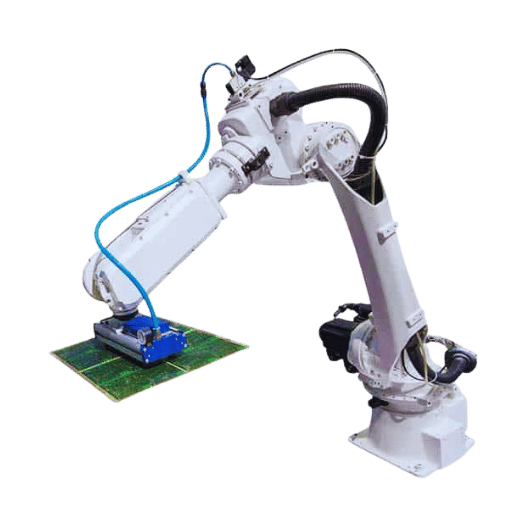
The Significance of Torsional Flexibility in Robotics
The role of torsional flexibility in an industrial robot, or any dynamic robotic system, is exceptionally important as precision and speed requirements escalate. A robotic arm subjected to sophisticated, multidirectional movements requires a special type of cable known as a torsion cable, capable of sustaining rotational stresses. Such cables must maintain the flow of power and data while deflecting to twisting moments.
Dynamic movement is now a norm in modern robotics. In certain industrial robots, one could observe more than twenty-five thousand to over fifty thousand annual cycles of torsion in heavy-duty applications. The absence of wires specially designed to endure torsional force and constant flexing and rotating tends to cause the insulation, cables, and structure to degrade and ultimately fail, resulting in expensive maintenance and equipment downtime beyond the loss of productivity.
To meet such requirements, advanced torsion cables are constructed using high-durability materials, such as polyurethane, formulated specifically for the purpose of enduring harsh conditions and improving wear resistance. Stranded conductors coupled with layered shielding offer reliable signal transmission despite strong electromagnetic interference (EMI). Manufacturing research proves the benefit of using high-quality components, estimating operational failures of devices using high-demand torsion cables drop by thirty percent compared to standard cables.
Focusing on torsional flexibility allows engineers to design robotic systems that offer unmatched reliability, longevity, and efficiency, even in the harshest industrial environments. These developments continue to aid the advancement of robotics, solidifying their place in automated production lines, logistics, and a host of other industries.
Choosing Cables Suitable for Cable Tracks
While choosing cables for use in cable tracks, note the following factors:
- Flexibility: Select cables inflicted for dynamic use. Make sure they can bend repeatedly without sustaining damage.
- Durability: Select cables that have an exterior jacket that is resistant to being scratched and can endure contact along with mechanical stress with other components in track.
- Temperature Resistance: Check to see if the particular cables can function within the specified temperature range within the application environment.
- Shielding: In scenarios where there is strong electrical interference and noise, use cables that are shielded from signal distortion.
- Certification: Confirm that the particular cables follow industry guidelines and certification for safety and functionality.
Considering all factors mentioned above guarantees optimal and dependable functionality while mitigating chances of failure.
Frequently Asked Questions (FAQs)
Q: What are torsion cables, and where are they most commonly utilized?
A: Commonly termed as torsionable cables, torsion cables have the ability to withstand twisting forces while in rotary motion. They are used in aerospace and automobile industries which require both flexibility and strength, being two necessities under the aforementioned industries.
Q: In what ways does torsion cable construction impact the functionality of the said cable?
A: The construction of that torsional cable determines its flexibility and strength constitutes the function of the cable concerned with the rotary motion. Dynamic applications requiring control cables perform exceptionally well with the use of the torsionable cables designed to handle twisting motions.
Q: What are the types of torsion cables used in different industrial segments, and what are the various areas of use?
A: Torsionable cables perform outstandingly when the rotational motion needs to be used without the twisting and flipping required to maneuver various mechanical sections. Thus the implementation of the said cable can be seen in fields like wind turbines robotics and cranes.
Q: Why does a working load matter in the context of torsion cables?
A: The working load of torsion cables refers to the operational load limit. This specification, in particular, poses impact in the longevity of use of cables in areas such as door torsion cable applications or other strenuous environments. It is critical to note this value for safe use of the cables.
Q: What is the reasoning behind the use of galvanized aircraft cables in particular mechano-torsion applications?
A: Specific strands of galvanized aircraft cables serve mechano-torsion applications due to their durability and high corrosion resistance. These characteristics enable use in extreme environments or outdoor conditions that would otherwise degrade other materials.
Q: What distinguishes torsional cables from data or connection wires?
A: Torsionable cables differentiate from data cables and connection cables with their construction which allows for twisting. Data cables serve main purpose of transferring signals while data cables are designed to withstand rotational load without damage.
Q: Is it possible to tailor torsion cables specific to certain requirements?
A: This can be done by changing certain aspects like construction of the cable, materials, and even dimensions to suit specific hardware and operational requirements. Such alterations enable the cable to be tailor-made to fit particular needs.
Q: In what ways do thimbles operate at the end of the cable in torsion applications?
A: Thimbles, placed at the end of the cable, assist in guarding the wire rope against excessive wear and deformation at the points of attachment. They aid in preserving the integrity of torsionable cables by guaranteeing the loop remains in its original position during torsion.
Q: In what ways do torsion cables contribute to the overall efficacy of wind turbines?
A: Torsion cables in wind turbines are essential in systems that require rotational motion, like those used to furl and unfurl the blades. They enhance the efficiency of handling the twisting forces and, thus, the overall performance and dependability of the turbines.
Reference Sources
1. Lessons Learned From Investigations of Torsional Failures of Umbilicals, Cables, and Flexible Pipe
- Authors: P. Mainçon, Vegard Longva, Naiquan Ye
- Publication Date: June 9, 2024
- Journal: Volume 3: Materials Technology; Subsea Technology
- Key Findings:
- The paper analyzes several torsion failures of cables, umbilicals, and flexible pipes during their production, loadout, installation, and operation phases.
- It deeply analyzes the recurrence of such incidents, attempts to quantify their financial toll, and presents mechanisms that incite torsion and their intricate behaviors.
- The authors shed light into development of “Torsion Handbook” in the scope of Joint Industry Project (JIP) concerning the Industry best practices for torsion in the subsea industry.
- Methodology:
- The study was built off work done by SINTEF Ocean by looking at multiple case studies of torsion interplay failures without giving the underlying details of each case (Mainçon et al., 2024).
2. Wire