The proper selection of an Ethernet cable is crucial since it affects the capabilities, consistency, and overall quality of your network. Cat6 cables are highly regarded as a common preference in homes and offices. But when looking at Cat6, two significant variations are present: UTP which stands unshielded Twisted Pair) and STP (Shielded Twisted Pair). Every type of twist in the wire has its features, advantages, and optimal applications. This post will explain the differences between Cat6 UTP and STP cables to make their respective merits clearer and help readers decide which solution fits their networking needs best. The right answer will depend on their goals regarding the level of performance and interference they want to achieve by spending as little money as possible.
What is the Difference Between UTP and STP?
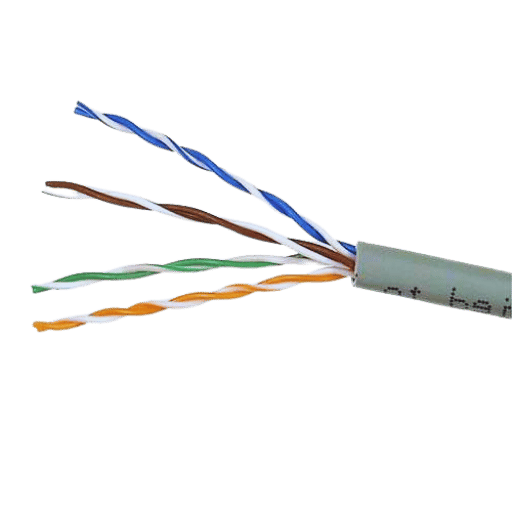
Unshielded Twisted Pair (UTP) and Shielded Twisted Pair (STP) cables have different designs in terms of their ability to reduce electromagnetic interference (EMI).
A UTP cable is made of twisted pairs of wires which lacks any shielding making them lighter, flexible and more cost effective. This makes them ideal for basic networking environments that do not have a lot of interference.
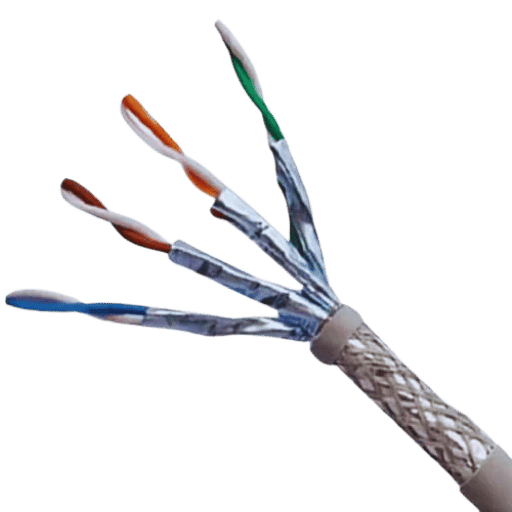
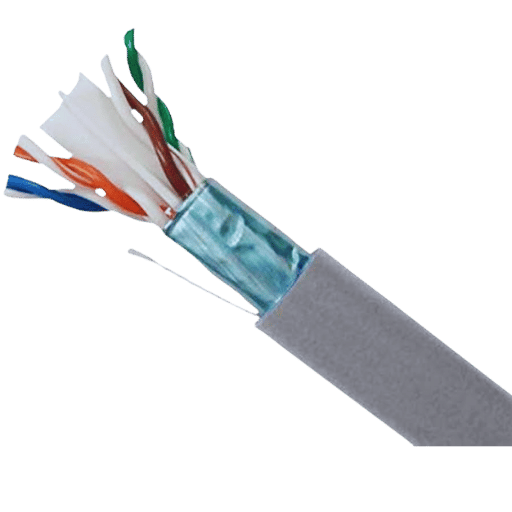
On the other hand, STP cables include an extra layer of shielding either around each pair or the entire cable, which provides more protection against EMI and crosstalk. These cables perform better in high interference environments like industrial settings or areas with multiple electronic devices.
When deciding between the two, consider your budget since STP cables are usually more expensive, but also consider the level of interference in your environment because STP cables do require grounding to function effectively.
Understanding UTP and STP Structures
Unshielded Twisted Pair (UTP): These wires are not surrounded by shielding, which makes them lighter, more flexible, and easier to install. UTP is economical and is often used in homes and office networks, where electromagnetic interference (EMI) is low.
Shielded Twisted Pair (STP): STP cables have additional shields placed around either individual pairs or the whole bundle, which provides extra protection from EMI and crosstalk. STP is beneficial for areas with large amounts of EMI but requires proper grounding and is more expensive.
Summary: In installations with minimal interference, standard layouts should utilize UTP cables. STP cables should be used in areas with a lot of interference to optimize signal clarity.
Comparing UTP and STP Cables for Data Transmission
Cost and overall value are some of the many factors that must be considered when choosing between Unshielded Twisted Pair (UTP) and Shielded Twisted Pair (STP) cables. Their performance in diverse conditions and technical specifications also play an important part. The comparison charts below accurately list the attributes of the two types.
Design and Construction
“Shielded Twisted Pair” does not refer to a singular set of wires. Rather it refers to wires with shields on each one individually or bundled together and within each bundle lies a group of twisted wires. Unlike UTP cables, STP cables benefit from substantial shielding which reduces signal crosstalk and external Electromagnetic Interference (EMI). While this increases the cables diameter, it also adds weight which could potentially complicate installation.
Usage in High-Interference Environments
While UTP cables are standards used at networking locations, their costs make them appropriate for situations with minimal electromagnetic interference (EMI), and are not suited for tightly packed industrial centers and data centers. They are also ideal for basic networking functionalities. For areas with extreme levels of EMIs, STP cables are ideal due to their consistent, stable connection and signal reliability, even in noisy conditions. Proper grounding is important to unlock the full potential of these advantages.
A Look Into Data Speeds and Distance
The UTP and STP cables can achieve modern Ethernet standards, which include Cat5e, Cat6, and Cat6a, offering data speeds of 10 to 100 Gbps and 10 Gbps, respectively. That said, STP cables perform better when it comes to throttling speeds on greater distances and in challenging environments.
Cost Comparison
UTP: It is the cheaper option on the market due to its construction. There are also minimal installation and maintenance costs since no sophisticated connectors or auxiliary hardware are needed.
STP: Costs more when compared to UTP because of the shielding materials used and the intricate installation process. These expenses will only go up if proper grounding and matching hardware is required.
Common Applications
UTP: Most suitable for smaller office networks and homes where EMI and crosstalk are minimal.
STP: Used in high and medium performance industries such as data centers, broadcasting areas or wiring closet with lots of cables since signals need proper control.
Physical Durability
Due to the lack of shielding, UTP cables are more flexible. Meanwhile, STPs are stiffer, but that makes them more suited to rough environments.
Important Numbers
UTP Network Performance: Functional for cable runs up to 100 meters (328 feet) in standard Ethernet applications for networks with minimal interference. Performance degradation starts beyond this distance.
STP Performance in EMI: Research indicates STP cables may surpass UTP in EMI signal interference by approximately 20-30%, which makes them dependable in high interference settings.
Cost Difference: In most cases, STP is more expensive than UTP by 20-50% based on cable type and category. Installation costs may increase by 15-25% as well.
Final Recommendation
Carefully consider your networking environment as well as budget and performance needs during a UTP and STP cable selection decision. For environments with low levels of interference, UTP performs reliably at a lower cost. On the other hand, STP offers better performance, signal quality, and reliability in high-EMI environments, making them worth the cost and installation efforts.
How Does Shielding Impact Performance?
Shielding improves performance by protecting cables from external electromagnetic interference (EMI). This protection maintains signal integrity, lessening data loss and transmission errors. In high EMI environments such as factories or data centers with heavy machinery, shielding reduces interruptions and increases the stability and reliability of connections. However, shielded cables must be properly grounded, or else the benefits gained will be lost, making installation critical.
When to Use a UTP Cable?
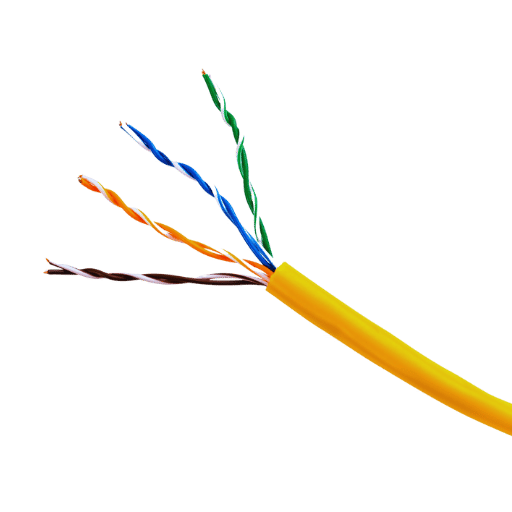
Benefits of UTP in Network Cabling
Unshielded Twisted Pair (UTP) cables have various advantages over other systems, which makes their usage ideal for Telephone Networks, Computerised Office Telephone Systems, and even Ethernet networks like 10Base-T, 100Base-TX, and 10GBase-T. Because of their benefits in cost and ease of installation, UTP cables have become popular in network cabling. One of the most notable characteristics of UTP cables is their cheap installation price since they don’t have any additional shielding compared to shielded cables, resulting in lightweight materials, ultimately saving labor and material funds in placements.
UTP cables have a compact structure that makes them easier and more flexible to handle; however, their amounts allow very simple and flexible layout systems to be made even in large-scale fitting projects or in narrow spaces like conduits or advanced cabling organizing systems. The simple design structure helps change telephone systems to new high-speed ethernet ones without having to buy specially designed cabling or rely on old telephone systems.
Another advantage that greatly helps in everyday modern life is that functions, meaning many new systems that are made, are built around the principles of interoperability and are very easy to use with modern UTP networking systems. Additionally, the technical issues faced by many devices are reduced a lot because new devices do not make older cables and standards made obsolete. These days, the manufacturing process of cables has improved in the way the signals are sent and the quality of the data supplied by the cables, making them less crosstalk and electromagnetic interference (EMI).”
As per the information we gathered, UTP cables will still likely remain the most popular option for structured cabling in both home and business systems. Their attenuation levels are low enough to sustain reliable communication over considerable distances, as is the case, for example, with Cat6 and Cat6a cables, which support high-performance transmissions over 55 meters. UTP’s attributes make it an economical and adaptable hardware solution for today’s networking demands.
Is UTP Cable Easier to Install?
Unshielded Twisted Pair (UTP) cabling is considered to be the easiest to install in comparison to shielded twisted pair (STP) and coaxial cables. This specialty comes from their light construction and flexibility, which means UTP cables can be easily pulled through conduits. Furthermore, UTP cables do not need to be grounded or shielded, unlike STP cables, allowing them to bypass complex steps that are necessary to prevent interference.
Research indicates that UTP cables can reduce installation time by as much as 30%, depending on the scale of the project, because fewer specialized tools and techniques are required. STP cabling, for example, requires complex shielding, which becomes a hassle when terminating the cables. Additionally, modular plugs and keystone jacks for UTP cables are widely available, allowing for easier termination at patch panels and wall plates. These factors make UTP cables a preferred choice for network technicians for new deployments and system upgrades.
Why Choose a Shielded STP Cable?
Advantages of STP in Industrial Settings
Enhanced Electromagnetic Interference (EMI) Protection
Emphasis on industrial environments characterized by elevated electrical noise interference from heavy rotatory machines or motors and other equipment recommends using shielded twisted pair (STP) because extensive research has documented that STP is capable of reducing noise interference by up to 85% in comparison to UTP.
Superior Data Integrity
Construction shielding in STP cables protects data from leaving the cable compartment, ensuring that the data is consistent and uncorrupted. This is critically needed in some environments where operations being performed are vital, while data about manufacturing control systems or automated production lines is being received in real-time such that data accuracy becomes highly crucial.
Improved Crosstalk Reduction
Crosstalk is the interference from the signals in other pairs of wire contained within a transmission cable, and the term ‘crosstalk’ refers to the leaky link in multi-pair cables. Testing of crosstalk for STP specifies that STP offers 20% reduced crosstalk when compared to unshielded STP in high-density regions.
Reliable Performance Over Long Distances
Applications like industrial plants operating on internal networks, remote supervision or logging, and real-time data collection or data refreshing STP are best employed since they maintain signal quality over long cable lengths as compared to UTP, owing to the additional resistance towards interferences.
Durability in Harsh Conditions
The outer coating is an added layer of defense designed to protect STP cables from damage due to moisture, chemicals, and physical impacts, all of which are commonplace in industrial settings. This enhanced resistance contributes to infrequent repairs or replacements and thus lower maintenance costs.
Compliance with Regulatory Standards
Electromagnetic compatibility (EMC) regulations are a necessity for many industrial applications. STP cables are often tailor-made to focus mechanically on such standards, providing certainty of compliance in stringently monitored industries.
Bears noting that STP cables offers several significant, STP cables these advantages are best integrated in industrial networks where strength and reliability are a must.
These technical factors enable STP cables to withstand difficult mission environments.
How STP Cables Protect Against EMI and Crosstalk
In thinking about how STP cables defend against EMI and crosstalk, I pay attention to the design features of the cable. The metallic shielding covering the twisted pairs serves as a defense against external EMI interference, blocking interference from getting into the cable. Moreover, the minimization of internal crosstalk due to electromagnetic interference from neighboring wires, which is provided by the twisted-pair configuration, increases signal quality. Because of the undoubted electronic disruption found in the environment, STP cables are supremely effective due to these qualities that guard signal clarity.
Exploring FTP vs UTP vs STP Options

Understanding the Role of FTP in Network Cabling
In my view, FTP (Foiled Twisted Pair) serves the purpose of mitigating moderate electromagnetic interference (EMI) in network cabling. The overall foil shield adds to the twisted pairs’ interference protection, improving the signals sent within the wires, but without the need for the complexity and STP shielding. This leads to FTP cabling being a cost-effective option for those seeking a balanced network solution.
Comparing FTP with UTP and STP for Different Environments
When choosing the best cabling system for particular settings, assessing FTP (Foiled Twisted Pair), UTP (Unshielded Twisted Pair), and STP (Shielded Twisted Pair) considering their degree of shielding, ease of installation, cost and value is paramount.
Unshielded Twisted Pair (UTP)
Cabling type UTP is rather widely used because it is inexpensive and easy to work with. It has no form of shielding, depending only on the twisting of the pairs to lessen EMI (Electromagnetic Interference). Therefore, it is most suitable for office or residential networks with minimal EMI, and cost focus. On the other hand, UTP does not perform very well in terms of stability in industrial areas with a lot of EMI, like power lines and heavy machinery.
- Pros: Inexpensive, lightweight, uncomplicated installation.
- Cons: Weak protection against EMI and crosstalk.
- Typical Use Case: Small-scale networks with minimal interference requirements.
Foiled Twisted Pair (FTP)
FTP is a balance between UTP and STP. FTP incorporates an overall foil shield and, as a result, has a much better performance when it comes to protecting from outside interference. This balance between performance and cost makes it suitable for areas with moderate EMI such as commercial buildings, crowded data centers, or urban networking setups.
- Pros: Better protection from EMI than UTP, suitable in price for moderate shielding requirements.
- Cons: Increased costs compared to UTP, not suited for low EMI.
- Cons: Installation has a moderately higher difficulty level due to the grounding requirements.
- Typical Use Case: Networks operating in environments with moderate levels of EMI or signal reliability concerns.
Shielded Twisted Pair (STP)
This twisted pair type of cable is meant for high performance in specially designed demanding environments. Each shielded twisted pair has an overall shield as well, offering the highest level of protection from crosstalk and EMI. While STP is suitable for industrial use and areas with substantial electrical noise, its high costs and complex installation render it impractical for standard use.
- Pros: Extremely high protection from EMI and crosstalk, suitable for high-energy noise environments.
- Cons: Difficult installation, performance tending to be expensive, installation tends to be expensive.
- Typical Use Case: Data transmission sensitive setups, industrial plants, or environments with heavy machinery.
Data Comparison
|
Cabling Type |
EMI Protection |
Cost |
Installation Complexity |
Ideal Environments |
|---|---|---|---|---|
|
UTP |
Minimal |
Low |
Simple |
Residential or offices with minimal EMI |
|
FTP |
Moderate |
Moderate |
Medium |
Commercial buildings or urban setups |
|
STP |
Maximum |
High |
High |
Industrial environments or high interference zones |
This comparative data highlights how specific environments dictate the choice of cabling. For instance, a residential office would benefit from UTP, ensuring budget-friendly installation. Conversely, a manufacturing plant would justify the expense and complexity of STP for maximum signal reliability.
How to Choose the Right Cat6 Cable for Your Needs?
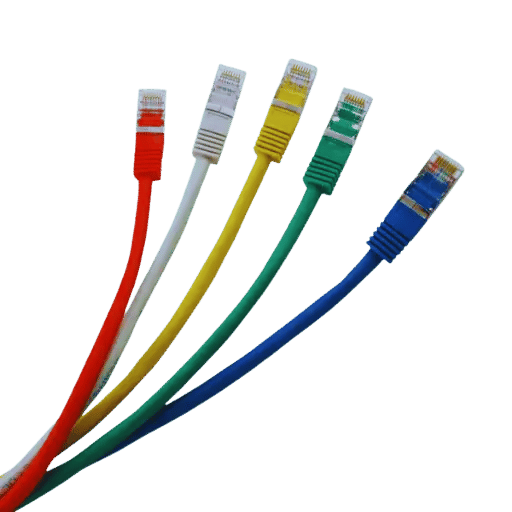
Evaluating Network Needs for UTP vs STP
When choosing a UTP (Unshielded Twisted Pair) and STP (Shielded Twisted Pair) cable, it is necessary to first evaluate the requirements of the network alongside environmental factors. The following are specific general factors that will help you make the right decision:
Signal Interference and Performance
- Performance-wise, STP cables possess shielding to circumvent electromagnetic interference (EMI), which makes them useful in industrial settings with high electrical noise, like data centers or factories that use heavy machinery and advanced power devices.
- UTP, or unshielded twisted pair cables, is adjusted by the shielding which makes UTP cables more practical in low EMI environments like homes or office businesses because they simply utilize the twisting of pairs to cancel out interference.
Cable Installation and Maintenance
- Shielding on STP cables makes them dictated to requirements such as proper grounding, which will enable the shielding to work. Such requirements make a cable’s installation complex, as poor grounding will lessen performance and introduce susceptibility to interference.
- Their lack of shielding makes UTP cables to be thinner, lighter, and easier to install. Such features also means that they are more flexible enabling tight bends and routing in small spaces.
Distance and Data Transmission Rate
- Over short distances of about 55 meters, Cat 6 cables, whether UTP or STP, can support similar transmission speeds like 1 or 10 Gbps. However, STP cables have been observed to maintain performance more reliably with longer distances and in difficult areas with a lot of interference.
- For general use in residential or small office setups where high-speed broadband is required, UTP cables are usually adequate.
Cost Considerations
- The added shielding materials on STP cables drives up the cost of manufacturing due to STP’s higher prices. Along with that, installation labor prices are usually higher due to the added complexity.
- For applications that do not require a lot of interference, UTP cables are ideal as they mitigate costs for projects with budget constraints.
Standards and Specifications
- Both UTP and STP cables, when correctly installed, conform to the performance criteria set forth by Ethernet networks as per the ANSI-TIA 568 standards. However, compliance needs to consider the environment where the system is being deployed and the surrounding hardware.
- Through careful consideration of these factors, network managers are aided in choosing the right type of cabling that allows them to meet the specific requirements of the system. In cases where there is a high level of interference, STP provides a reliable solution while for less demanding conditions, UTP offers a cheaper alternative.
Considering Interference and Environmental Factors
Interference and environmental conditions greatly influence the performance of network cabling systems. In high electromagnetic and radio frequency interference industrial regions, or close to moving machinery, shielded cables (STP) are effective due to the heavy interference. For typical residential and office environments with basic interference, unshielded cables (UTP) are generally reliable and cost-effective in general. Furthermore, ecological factors like temperature, humidity, and exposure to physical abrasion impact the selection of materials and are critical to the construction of the cables. Ensuring proper installation and adherence to regulations further improves system reliability.
Cost Efficiency of UTP Cables
The lightweight design, simplicity, and minimal installation requirements make Unshielded Twisted Pair (UTP) cables cost-effective. Unlike shielded cables, UTP cables have a lower manufacturing cost as they do not require additional grounding and shielding components. The lightweight construction also reduces shipping and handling costs. Additionally, the standard networking hardware makes these UTPs compatible without the need for additional specialized equipment, thus increasing ease. These reasons make UTP cables practical and budget-friendly for residential and office networking needs while maintaining low-performance environments.
Frequently Asked Questions (FAQs)
Q: What differentiates CAT6 UTP from CAT6 STP cables?
A: The main difference between Cat6 UTP and STP cables is in their construction and use. UTP cables, or unshielded twisted pairs, do not feature an external shield, which makes them more flexible and light in weight. STP cables, or shielded twisted pairs, have additional shielding to guard against electromagnetic interference (EMI) which makes them useful in high interference environments.
Q: What are the advantages of using Cat6 UTP unshielded twisted pair cables?
A: Cables of the unshielded variety, specifically Cat6 UTP, are more economical. Also, their flexibility allows for easier installation and they work well in low EMI environments. This type of cabling is perfect for general home and office applications where interference is not an issue.
Q: What is the advantage of using shielded twisted pair cables over unshielded ones?
A: Shielded cables like Cat6 STP are useful for users operating in areas with high EMI, such as industrial sites or regions with numerous electronic devices. Shielded cables tend to guard the cables from EMI as well as crosstalk, which improves the clarity and strength of the signal.
Q: In what ways do Cat6 cables differ from Cat5e cables?
A: Unlike Cat5e cables, which have lower performance and bandwidth, Cat6 cables have higher performance and handle special, demanding applications. Cat6 cables support data rates of up to 10 Gbps, albeit over shorter distances. They also have enhanced specifications for crosstalk and EMI resistance.
Q: In what ways does shielding affect the installation and flexibility of the cables?
A: The braid or foil shielding used in the STP cables adds bulk and reduces flexibility in comparison to UTP cables. Thus, STP cables can become quite difficult to install in small areas or flexible movement zones. But for high-interference regions, this trade-off is justified.
Q: Are there specific environments where Cat6 STP is preferred over Cat6 UTP?
A: Yes, as previously noted, Cat6 STP is more effective closer to bigger sources of electromagnetic interference, such as large machinery, radio towers, or crowded server rooms. The shielding in these cables assists in preserving signal quality in such environments.
Q: Can I use UTP cables for outdoor installations?
A: Here, UTP cables can indeed be utilized for outdoor applications. However, they are usually poor when it comes to shielding from environmental conditions as compared to shielded or specifically designed outdoor cables. It is better to use more protective cables that are weatherproofed to avoid suffering damaged when utilized outdoors.
Q: What is the role of twisted pairs in Cat6 cables?
A: In an effort to reduce crosstalk and EMI, pairs of wires are twisted in copper Cat6 cables. This also provides an advantage where interference from other pairs of wires in the cable is reduced which improves the performance and the quality of signal obtained.
Q: In what ways does Cat6a differ from standard Cat6 in terms of shielding and performance?
A: Cat6a, or Augmented Category 6, typically contains extra shielding, such as foil twisted pair (FTP), to facilitate higher data rates over longer distances and more demanding 10 Gigabit Ethernet applications. Compared to Cat6, it further expands performance boundaries. Cross talk reduction and EMI protection is enhanced.
Reference Sources
1. Evaluating Network Performances with UTP and STP Cables
- Authors: K. Nugroho, A. Kurniawan
- Publication Date: June 30, 2017
- Citation: (Nugroho & Kurniawan, 2017, pp. 48–59)
Summary:
- The focus of this research was to analyze the network performance of computers and the respective UTP Cat6 and STP Cat5 cables installed. The study seeks to discover what the maximum distance between two computers using these cables is, which theoretically should not go beyond 100 meters.
- Methodology: The performance was evaluated based on sending 1000-byte ICMP packets 50 times. The performance metrics measured were latency, throughput, and packet loss.
Key Findings:
- It was noted that Latency with STP was measured to be 13% less than with UTP.
- The set upper bound for the length of cable for zero packet loss was as follows: 256 meters for UTP Cat6 and 246 meters for STP.
2. Comparison of the performance of the network using UTP and STP cables with IPv4 and IPv6 protocols
- Author: Simatupang Intan R. U
- Date Published: February 6, 2017
- Citation: (R.U, 2017)
Summary:
- This thesis analyzes the performance of the networks with UTP and STP cables with IPv4 and IPv6 protocols.
- Methodology: The participants underwent performance testing in many scenarios, which evaluated both cables with both protocols.
Key Findings:
- The study showed that the greatest length of use of UTP Cat6 and Cat5e STP is over 100 meters, but it was found to achieve somewhere around 280-275 meters, which means that STP cables are better in throughput than UTP cables.
3. Comparison of Suppression Effect by CMF for UTP and STP Lines Using Chain Parameter Matrix
- Authors: Nobuo Kuwabara, T. Matsushima, Y. Fukumoto
- Publication date: July 29th, 2023
- Citation: (Kuwabara et al., 2023, pp. 196–201)
Summary:
- This class paper tries to explain the theory “use of common mode filters on UTP and STP lines is supressed by common mode filters” through a chain parameter matrix.
- Methodology: For the study, the S21 parameter was calculated at the far end of the cable, and the analytical method was validated through measurements.
Key Findings:
- Results suggested characteristic impedance and transmission loss of the common-mode transmission line contour the suppression effect and hints theelectromagnetic compatibility (EMC) design telecommunication lines is engineered poorly.